



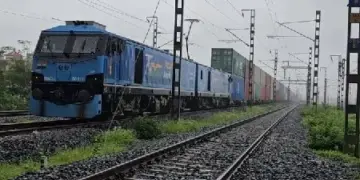




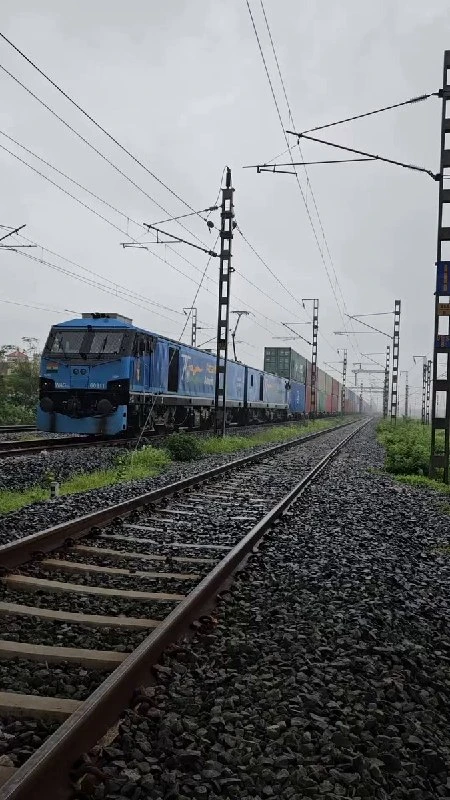

Indian Railways has achieved a major logistics milestone by successfully deploying its first long-haul double-stack container train on the Western Dedicated Freight Corridor. This massive 1.3-kilometer-long train departed from the Jawaharlal Nehru Port Authority in Mumbai on August 21, 2026, at 19:00 hours, heading towards the Vadodara region in Gujarat. Carrying a total of 360 TEUs of import cargo, this service showcases the growing efficiency and expanding capacity of India’s rail freight network. The Ministry of Railways shared the exciting update via its official social media handle, marking a transformative step for EXIM logistics in the country.
Advanced Infrastructure and Engineering Feats
The successful run of this long-haul service is powered by cutting-edge railway infrastructure designed specifically for oversized freight movements. The route features a High-Rise Overhead Equipment system with contact wires placed at an impressive height of 7.45 meters. Additionally, the train is hauled by high-powered electric locomotives equipped with advanced high-reach pantographs. This technological capability keeps India as the sole nation globally operating electric-hauled double-stack container trains on a dedicated freight corridor.
Economic and Environmental Benefits
Railway Minister Ashwini Vaishnaw emphasized the massive efficiency gains brought by this operational breakthrough. A single train of this magnitude can effectively replace approximately 200 heavy road trucks, cutting down logistics costs and reducing transit times by up to nine hours on certain routes. This landmark movement follows the comprehensive freight reforms announced on July 14, 2026, which introduced a single pan-India Container Train Operator license valid for 20 years with a non-refundable registration fee of Rs 25 crore. By ensuring faster evacuation of cargo from JNPA, the initiative significantly minimizes port detention times and bolsters national environmental sustainability goals by curbing carbon emissions through a modal shift from roadways to railways.