



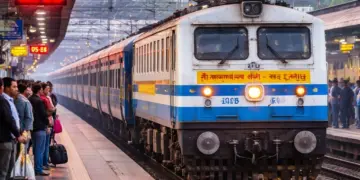


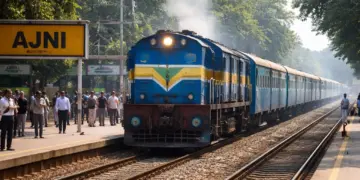

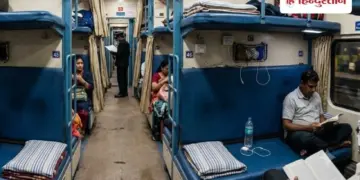

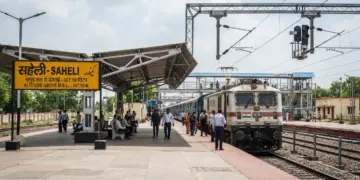

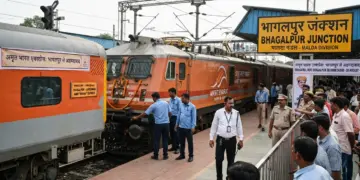



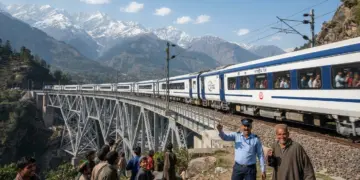

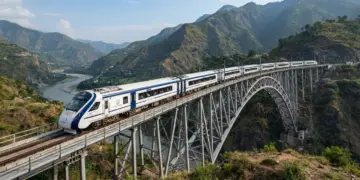



Indian Railways is set for a massive transformation by upgrading its operations rooms and doubling train capacity in 48 major cities by 2030. This initiative focuses on modernizing existing infrastructure, expanding terminals, and implementing advanced signaling systems to handle the growing passenger demand. The Ministry of Railways has already allocated a record capital outlay for these upgrades to ensure smoother and faster train movements for the common man.
Key features of the upcoming railway modernization plan
- Upgrading operations rooms to handle increased traffic and doubling track capacity
- Implementation of AI-based track monitoring and ground penetration radar systems
- Expansion of existing terminals and construction of new terminals around major cities
- Use of modern composite sleepers for bridges and points to enhance durability
- Setting up mega coaching complexes to support more train originations
How will these upgrades impact daily train travel?
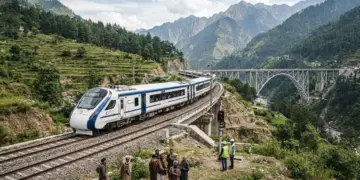
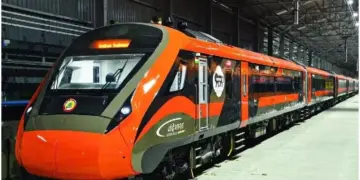
The upgrades aim to reduce congestion and improve the speed of trains across the network. With over 24,000 kilometers of tracks currently being equipped with the Kavach safety system, passengers can expect safer journeys. Additionally, the doubling of tracks on several key routes, such as the Bhatni-Aunrihar section, will help in reducing wait times and increasing the frequency of trains. The integration of 12 new Vande Bharat Sleeper trains and 100 percent electrification of the broad gauge network further supports this mission of modern rail travel.