


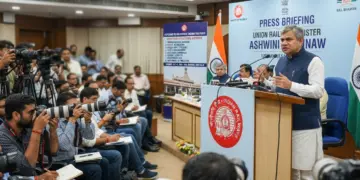
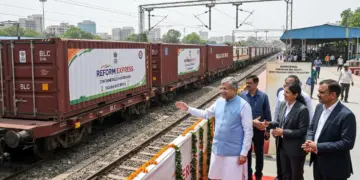
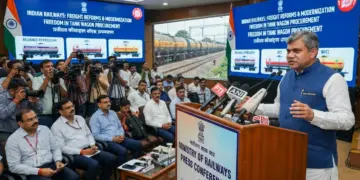

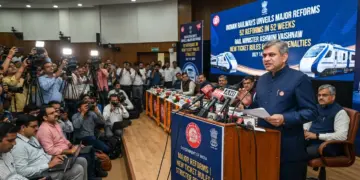


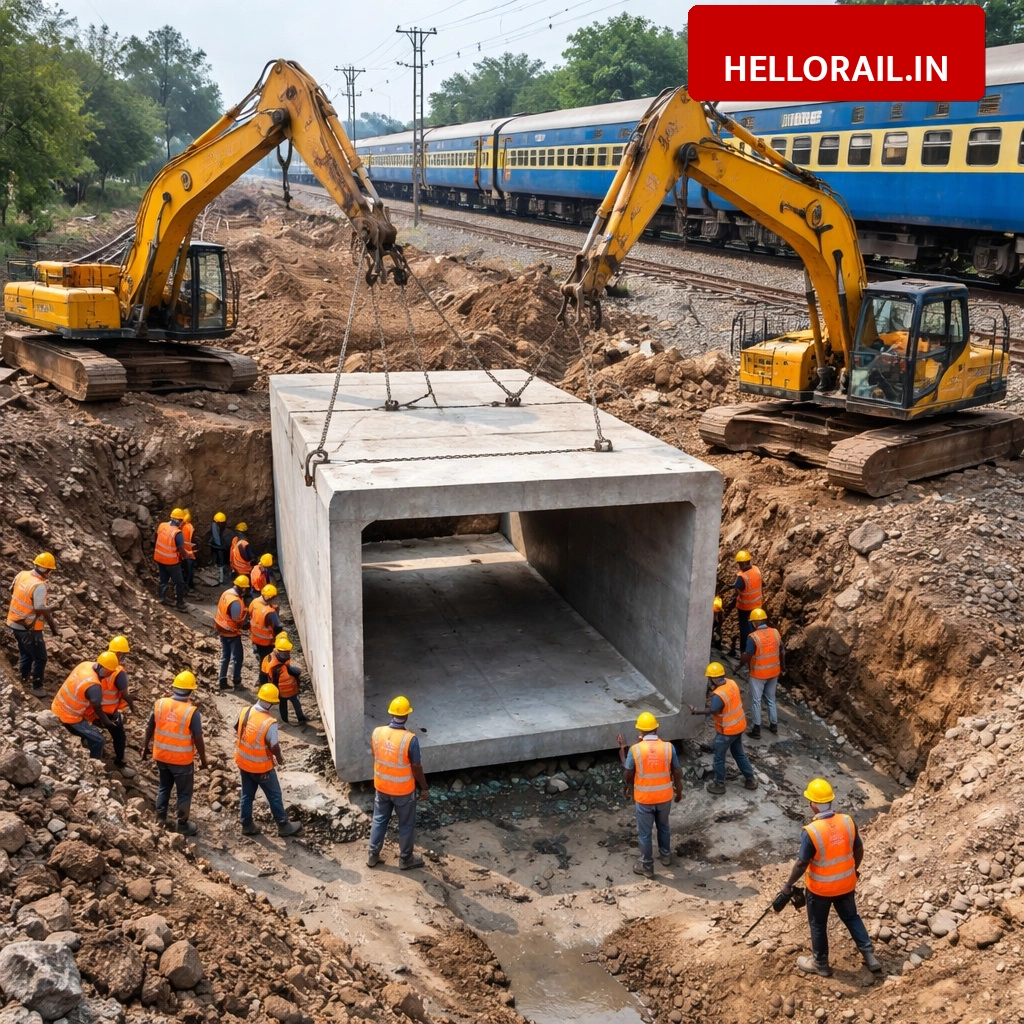

Indian Railways has started a safety mission to reduce accidents caused by people crossing tracks. Rail Minister Ashwini Vaishnav announced this initiative in March 2026 to provide safe underpasses at dangerous railway crossings. The project focuses on areas where people frequently cross tracks to reach schools, farms, or residential colonies.
👉: Railway DA Hike: Dearness Allowance increased for railway employees and pensioners, check new rates।
How will underpasses be built in 12 hours
The railway will use pre-fabricated RCC units that are prepared in advance. During a 12-hour traffic block, these units will be installed at the site. The process includes surveying, placing the pre-made units, finishing the work, and backfilling the area to make it ready for use.
Who will benefit from this mission
- Pedestrians and school children
- Cycle and motorcycle riders
- Small vehicle drivers
- Villagers accessing farms and cremation grounds
Key features and future goals
| Feature | Detail |
|---|---|
| Design | User-friendly with better drainage to prevent waterlogging |
| Structure | Strong and durable pre-fabricated RCC |
| Timeline | All dangerous crossings to be covered in 5-6 years |
| Long-term Goal | Remove all railway crossings by 2030 |
Recent progress shows that in Jamtara, an underpass was completed in just 7 hours on May 10, 2026. Additionally, 31 new underpasses were approved for the Dausa Lok Sabha area on May 11, 2026, with 9 already completed.
Frequently Asked Questions (FAQs)
How does the 12-hour construction work?
Railway uses pre-fabricated RCC units prepared beforehand. These are installed quickly during a 12-hour traffic block to avoid long delays.
What is the target for removing railway crossings?
The railway aims to cover all dangerous crossings with underpasses in 5-6 years and remove all railway crossings across the country by 2030.