
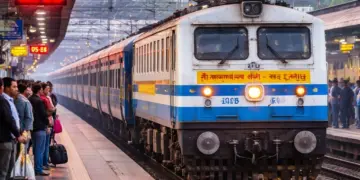



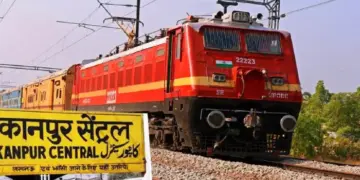
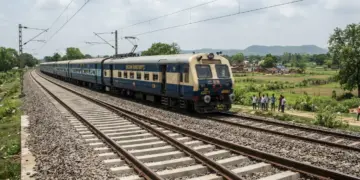
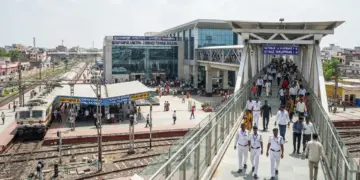
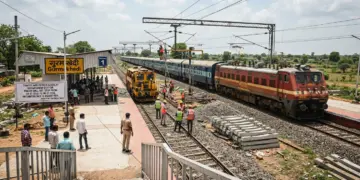


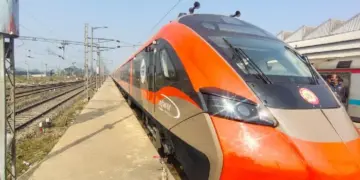
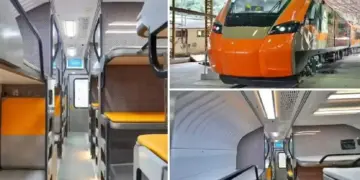
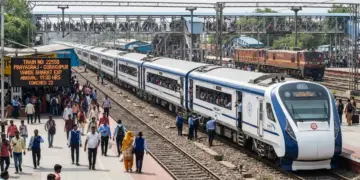
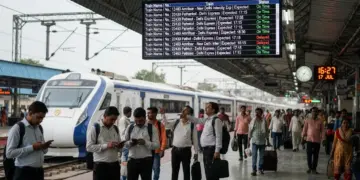
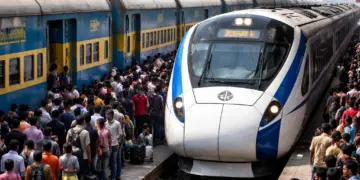
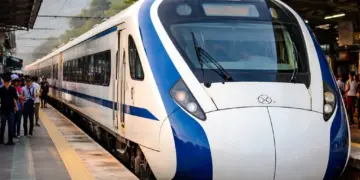
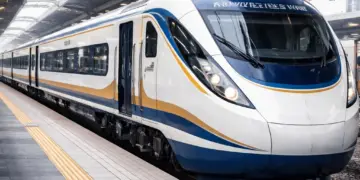

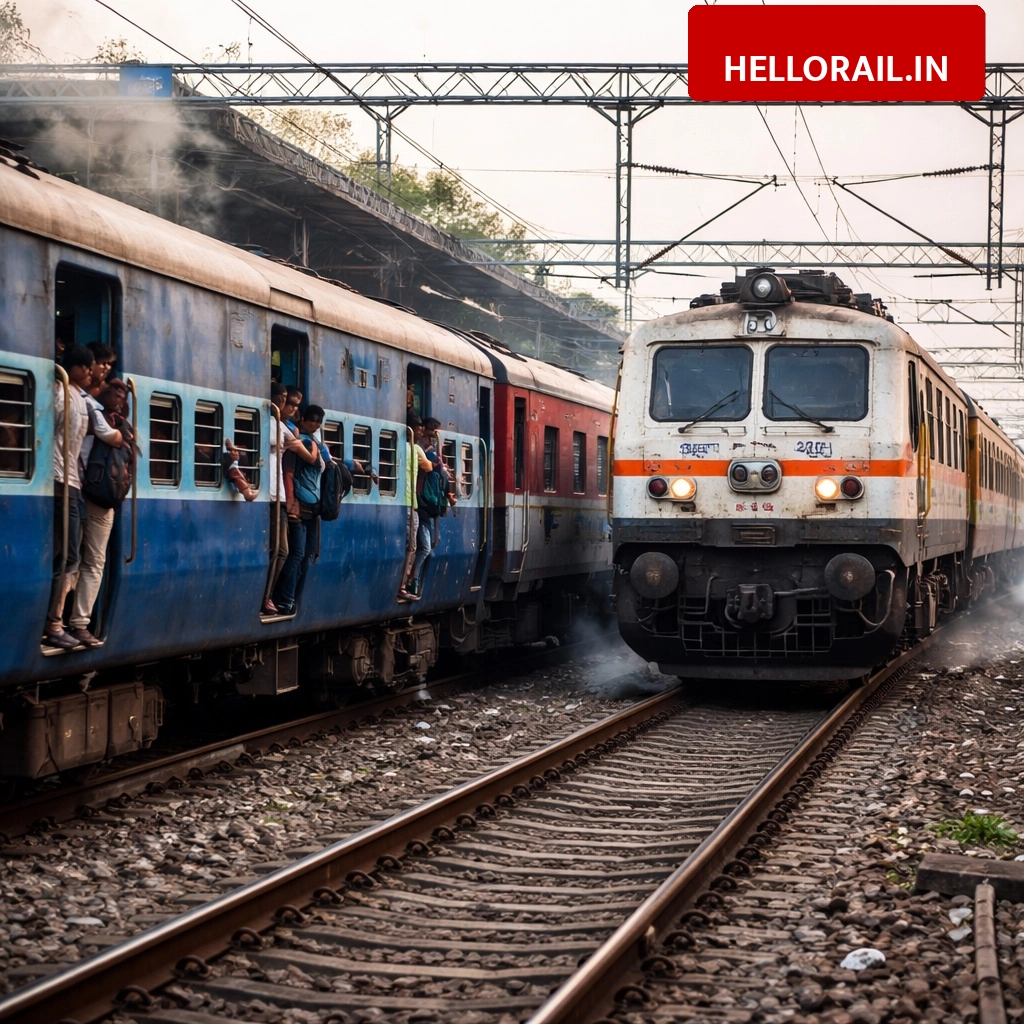

Indian Railways is working on a new system to remove the difference between VIP and general trains. Under this plan, ordinary trains will not be stopped to give way to premium trains like Rajdhani or Vande Bharat. This move aims to improve the travel experience for common passengers and ensure fairness on the tracks.
How will the Combined Slot system work?
The railway board will implement a Combined Slot system where trains with similar speeds will run in groups. Trains running at 130-160 kmph will depart in one group with a 5 to 10 minute gap. After them, superfast and express trains with a speed of 110 kmph will be scheduled in a separate slot. This will better utilize track capacity and allow more trains on busy routes like Delhi-Mumbai.
What are the benefits for common passengers?
This new timetable will significantly reduce delays for general trains. Officials stated that delays which used to be two to three hours may drop to just 10 to 15 minutes. Additionally, the government plans to fully end VIP culture by March 2026. This includes removing extra facilities for ministers and officials and stopping the use of luxury saloon coaches for inspections.
Key Updates on Vande Bharat and PRS
| Feature | Update Detail |
|---|---|
| Vande Bharat Sleeper | No VIP quota, RAC, or official passes; only confirmed tickets |
| Reservation System | Upgrade to advanced PRS by August 2026 |
| RailOne App | AI-based ticket confirmation predictions launched in 2025 |
| High Speed Corridors | 16 trillion rupee investment for 7 new corridors |
| Summer Specials | 18,262 special trips between April 15 and July 15, 2026 |
Frequently Asked Questions (FAQs)
What is the Combined Slot system in Indian Railways?
It is a system where trains of similar speeds are grouped together. High-speed trains run in one slot and slower express trains in another to avoid unnecessary stops.
When will VIP culture be completely removed from railways?
The central government has decided to fully eliminate VIP culture, including luxury saloon coaches and special facilities for officials, by March 2026.