







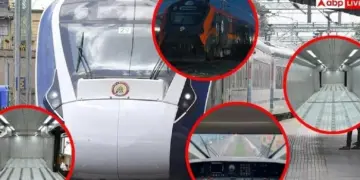
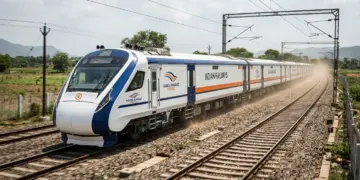
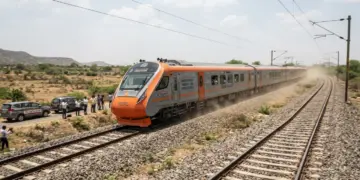


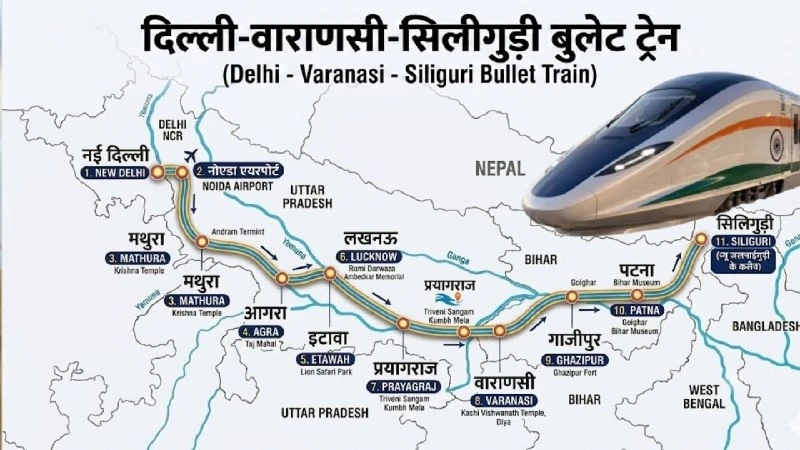

The ambitious Delhi-Varanasi High-Speed Rail (DVHSR) corridor is gaining significant momentum as the National High Speed Rail Corporation Limited (NHSRCL) finalizes development plans for India’s second major bullet train project. Spanning an impressive 865 kilometers, this high-speed network is designed to drastically reduce travel times across Uttar Pradesh, with the total journey from Delhi to Varanasi expected to take approximately 3 hours and 55 minutes.
- The corridor will feature 11 key cities, including Noida, Lucknow, and Ayodhya.
- Travel time from Delhi to Lucknow is projected to be just 2 hours and 10 minutes.
- A quick 21-minute commute is planned between Delhi and Noida International Airport.
- The project cost is estimated between ₹1.21 lakh crore and ₹1.71 lakh crore.
- The Detailed Project Report is currently under review by the Railway Board.
Strategic Route and Station Infrastructure
The proposed alignment includes essential stations such as Sarai Kale Khan and Hazrat Nizamuddin in Delhi, Jewar Airport, Mathura, Agra, Etawah, Kannauj, Lucknow, Ayodhya, Raebareli, Prayagraj, Bhadohi, and Varanasi. In Noida, the infrastructure plan includes two elevated stations and one underground station located near the Noida International Airport’s Ground Transportation Center. Furthermore, there is a forward-looking proposal to extend this corridor from Varanasi to Siliguri, creating a massive high-speed transit backbone for the country.
Economic Development and Future Expansion
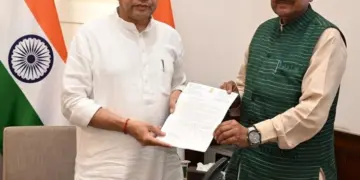
Beyond passenger transit, the project aims to stimulate economic growth. NHSRCL is collaborating with the Yamuna Expressway Industrial Development Authority (YEIDA) to facilitate real estate and commercial development around key hubs, such as Itoli village in Mathura. Additionally, political representation has grown, with Kanpur MP Ramesh Awasthi formally requesting the inclusion of Kanpur in the project’s scope due to its industrial importance.
Railway Minister Ashwini Vaishnaw has described the project as a game-changer for Uttar Pradesh, emphasizing that once operational, it will redefine regional connectivity. With the Detailed Project Report (DPR) currently under consideration by the Railway Board, the project serves as a cornerstone of the infrastructure vision first outlined in the Union Budget 2026-27. As the project advances, it promises to transform how millions of passengers travel across the heart of India.