
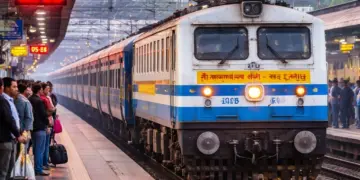

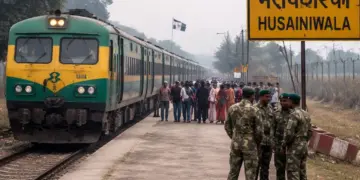
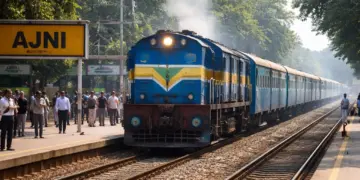



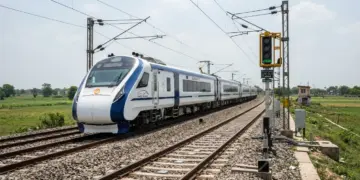

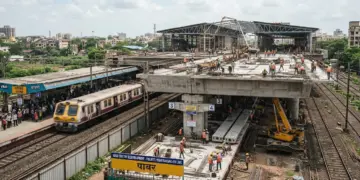




Indian Railways has officially commissioned the Kavach Automatic Train Protection (ATP) system on the 190-route-kilometer section between Kanpur and Prayagraj. This crucial upgrade on the Delhi–Howrah high-density corridor was activated on March 22, 2026, marking a significant step toward enabling high-speed rail travel. With the infrastructure now equipped for higher speeds, the national transporter aims to reduce travel time between these two major cities to just 90 minutes, with the 160 Kmph service expected to be operational by Diwali.
Key highlights of the project include:
- Kavach ATP system now active on the 190-km Kanpur–Prayagraj section.
- Targeting a 90-minute travel time at speeds of 160 Kmph by Diwali.
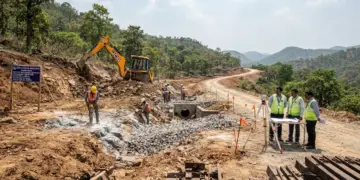
- 95% of boundary wall construction is complete to ensure track safety.
- System successfully tested over 20,000 kilometers of trial runs.
- Initially operational on eight pairs of trains, with plans to include Vande Bharat services.
Enhanced Safety and Speed
Kavach, an indigenous technology adopted as the National ATP system in July 2020 under the ‘Make in India’ initiative, acts as a critical safety net for train operations. The system is designed to prevent accidents by automatically applying brakes if a locomotive pilot passes a signal at danger or exceeds prescribed speed limits. Furthermore, it provides real-time signal displays within the locomotive cabin, ensuring safe operations even during adverse weather conditions or dense fog, and prevents head-on collisions on the same track.
Infrastructure and Trial Success
To support the transition to 160 Kmph, the track infrastructure has been significantly strengthened. Amit Kumar Singh, Public Relations Officer of the Prayagraj Rail Division, confirmed that the remaining portion of the boundary wall construction is on track for completion by the festive season. The commissioning process included a detailed footplate inspection by the General Manager, who traveled on Train No. 14163 from Subedarganj to Manauri station alongside senior officials.
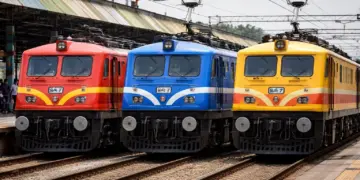
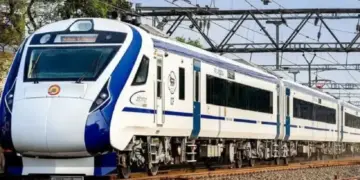
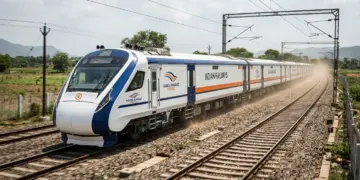
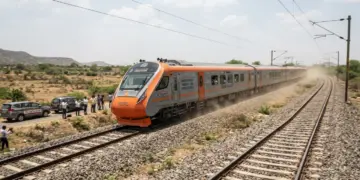
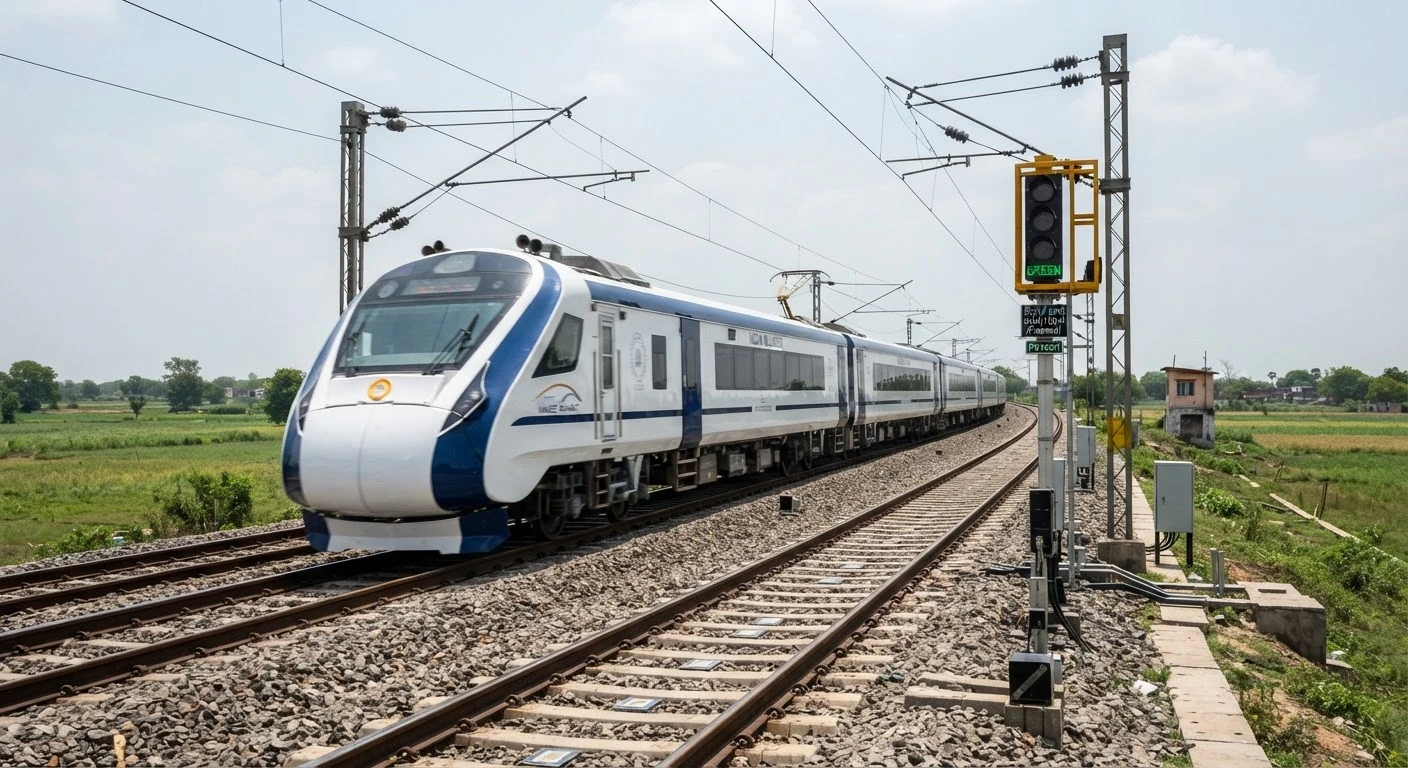
The reliability of the system was proven through extensive trials involving WAP-7 locomotives and a 20-coach Vande Bharat train. Passenger-service testing was also successfully conducted on the Chauri Chaura Express. As the Railways prepares for the next phase, passengers can look forward to faster, safer, and more reliable transit across this high-density route.