


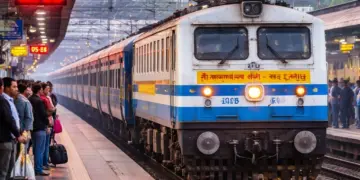
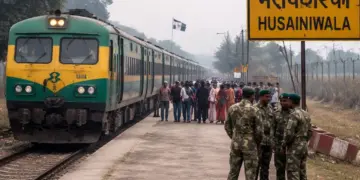
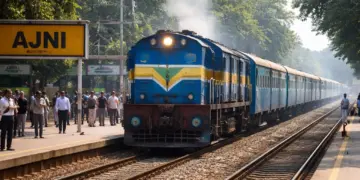
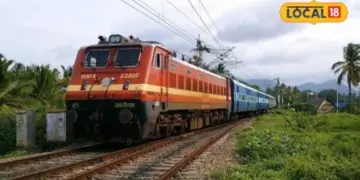

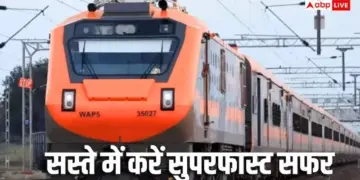
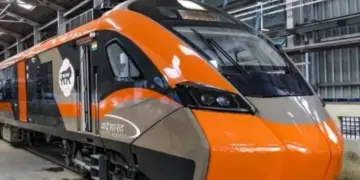



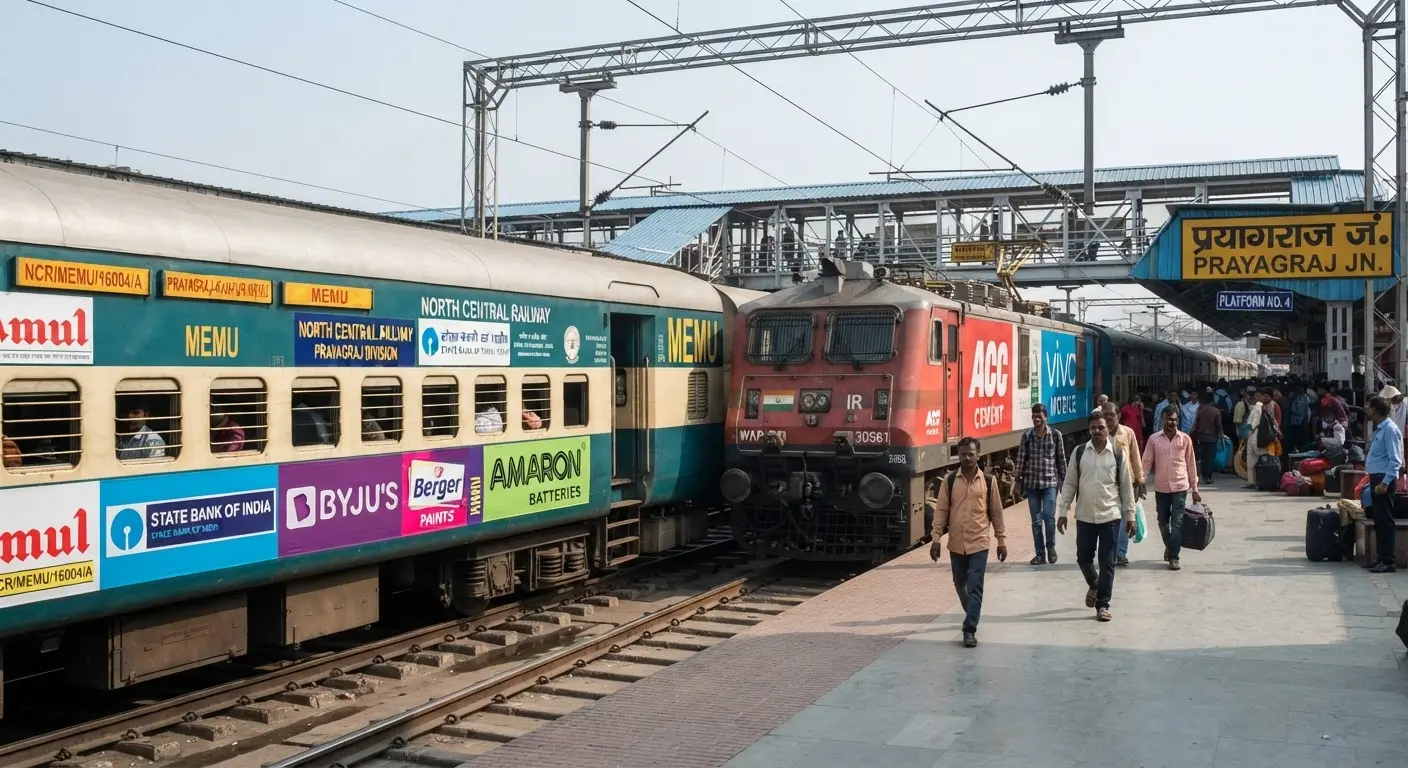

The Prayagraj Division of Indian Railways has officially rolled out a new revenue-generation strategy, allowing corporate brands to display advertisements on the exteriors of locomotives and MEMU (Mainline Electric Multiple Unit) trains. This initiative, which reached a major preparatory milestone on August 16, 2026, is part of a larger effort to boost the national transporter’s non-fare revenue streams by monetizing its physical assets.
Key highlights of the new advertising initiative include:
• Strategic Branding: Private companies can now utilize the exterior surfaces of engines and MEMU coaches for advertisements.
• Targeted Visibility: Advertisers can select specific trains and routes to ensure their brands reach a wide demographic of passengers and the general public.
• Proven Revenue Model: The initiative follows successful past campaigns by other railway zones featuring major brands like Amul, Fortune, Haldiram, and Tata Steel.
• Asset Management: The Prayagraj Division will oversee the selection of rolling stock to ensure consistent and high-impact branding opportunities.
Boosting Non-Fare Revenue
Indian Railways has been actively exploring innovative ways to supplement its traditional fare-based income. By opening up the exterior surfaces of its rolling stock to commercial advertisements, the Prayagraj Division aims to create a sustainable financial model. Because locomotives and MEMU trains travel across diverse regions, they serve as mobile billboards, offering high visibility that static advertisements often fail to provide.
How the Initiative Works
The division will be responsible for identifying suitable locomotives and MEMU rakes that can accommodate these branding requirements. By aligning specific train schedules with advertiser needs, the railway ensures that the branding reaches the intended audience effectively. This move is expected to attract significant interest from corporate entities looking for unique marketing spaces that traverse the heart of the country’s rail network. As this project gains momentum, it is likely to serve as a blueprint for other divisions looking to maximize their non-fare potential while maintaining the operational integrity of their train fleets.