



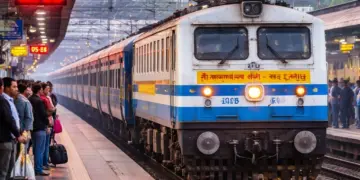

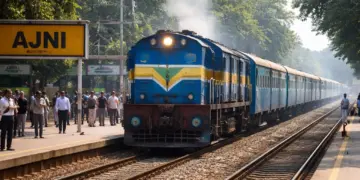


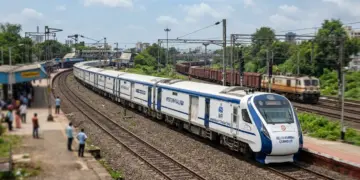



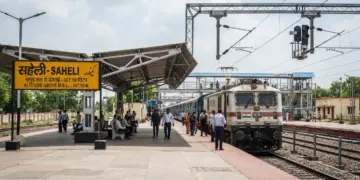



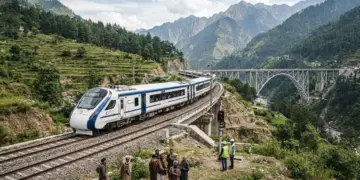

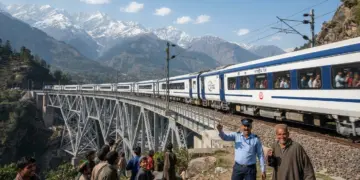

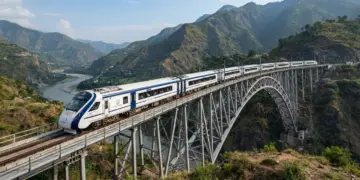




The Central Government has officially approved the construction of the 3rd and 4th railway lines between Ghaziabad and Sitapur in Uttar Pradesh. This 403-kilometer project is designed to significantly improve the rail network in the western and central parts of the state. With an estimated investment of ₹14,926 crore, the project falls under the PM-Gati Shakti National Master Plan and aims to reduce heavy congestion on the existing Delhi-Guwahati corridor, which currently operates at 168 percent capacity.
Project details and infrastructure overview
The Cabinet Committee on Economic Affairs (CCEA), chaired by Prime Minister Narendra Modi, gave the green light to this ambitious expansion. The project involves a total track length of 859 kilometers and is expected to be completed within 4 years, with a final target set for 2030-31. To ensure smooth train movement, the plan includes bypass lines and 6 new modern stations including New Hapur, New Moradabad, New Rampur, New Bareilly, New Shahjahanpur, and New Sitapur.
| Parameter | Project Details |
|---|---|
| Total Route Length | 403 km |
| Estimated Cost | ₹14,926 crore |
| Districts Covered | Ghaziabad, Hapur, Amroha, Moradabad, Rampur, Bareilly, Shahjahanpur, Lakhimpur Kheri, Hardoi, Sitapur |
| Major Infrastructure | 5 Mega Bridges, 52 Large Bridges, 306 Small Bridges |
| Additional Structures | 238 Underpasses (RUB), 9 Overbridges (ROB) |
| Employment Generation | 274 Lakh Man-days |
Benefits for passengers and the environment
The addition of two more lines will allow Indian Railways to increase train speeds and improve the reliability of both passenger and goods services. Railway Minister Ashwini Vaishnaw stated that the route is being designed to support semi-high speed trains in the future. Bypasses at major junctions will allow long-distance trains to pass through without getting stuck in city traffic. Environmentally, the shift from road to rail is expected to reduce CO2 emissions by 129 crore kg annually, which is comparable to planting 5 crore trees. The project will also save approximately ₹2,877 crore in logistics costs every year.