
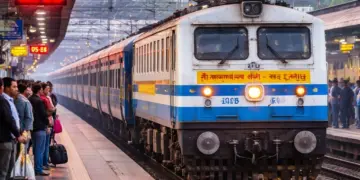







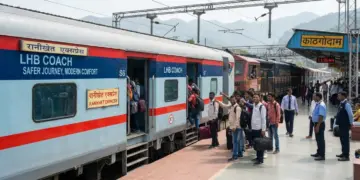
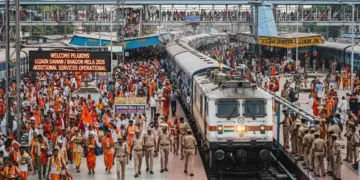


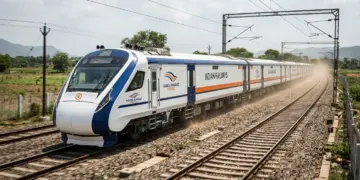
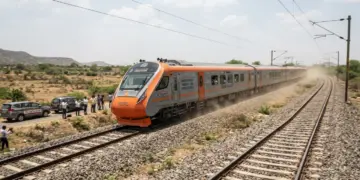

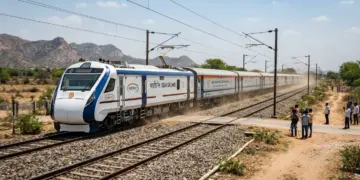
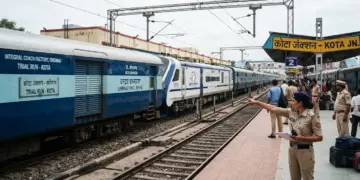



In a move to provide relief to thousands of commuters, Indian Railways has officially announced the extension of four pairs of special trains originating from Bihar. This decision, confirmed on July 30, 2026, aims to streamline travel during periods of high demand and ensure that passengers on busy inter-state corridors have reliable connectivity to major metropolitan hubs.
Key updates regarding the service extensions include:
- Four pairs of special trains have been granted an extension to their operational periods.
- The decision specifically targets routes connecting Bihar to Hyderabad, Bhubaneswar, and Mumbai.
- The extensions are designed to accommodate the excessive passenger rush currently being observed on these popular routes.
Addressing High Demand on Key Corridors
Indian Railways frequently monitors passenger traffic across its network to identify routes that require additional capacity. The current surge in travel demand from Bihar has necessitated this intervention, ensuring that travelers do not face difficulties in securing berths while navigating between their home state and major employment or educational hubs in other parts of India.
By extending these special services, the national transporter aims to reduce the pressure on regular scheduled trains, which often face massive waitlists during peak periods. These dedicated special trains serve as a vital link, connecting the people of Bihar with the economic engines of Hyderabad, Bhubaneswar, and Mumbai.
A Commitment to Passenger Convenience
This extension is part of a broader strategy by Indian Railways to remain responsive to real-time passenger requirements. Passengers are advised to check the updated schedules and availability on the official IRCTC website or the NTES mobile application before planning their journeys.
As these services are specifically intended to cater to high-demand periods, railway officials encourage passengers to book their tickets well in advance to avoid last-minute inconvenience. The railway administration continues to monitor the occupancy rates on these routes and may take further steps if the passenger volume remains significantly high in the coming weeks.