
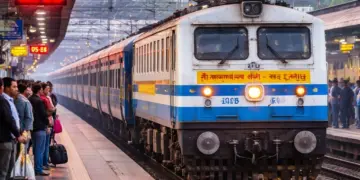


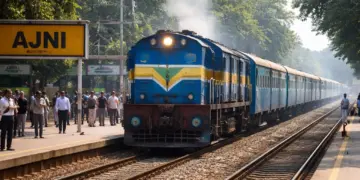



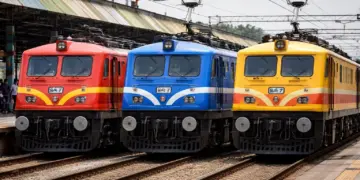





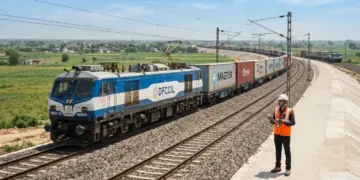
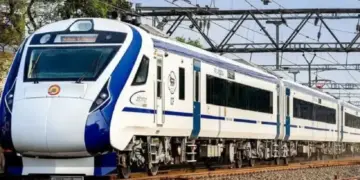



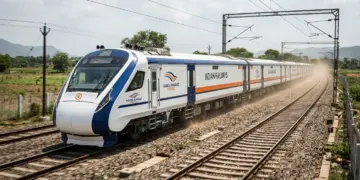
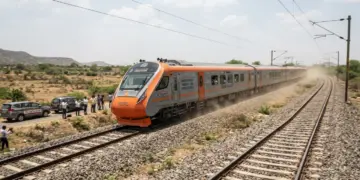


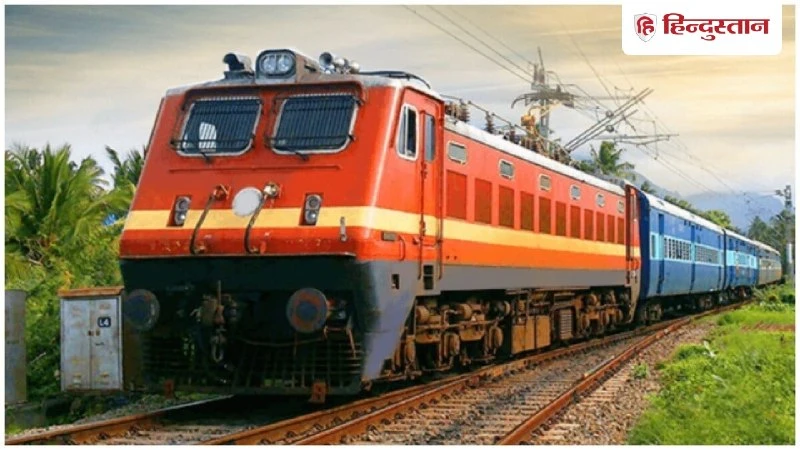

Indian Railways is set to transform the compensation structure for its loco pilots by moving away from the traditional kilometer-based allowance (KMA) model. Under the proposed ‘Duty-Complexity Index’ (DCI), the pay will no longer be determined solely by the distance a train travels. Instead, the new formula will account for the mental stress, operational intensity, and technical complexity involved in running modern, semi-high-speed trains. This shift mirrors international practices, such as the ‘mental concentration allowance’ currently utilized by Japanese railways to compensate staff for the high-pressure environment of high-speed operations.
Key updates regarding the upcoming pay revisions include:
* The 8th Central Pay Commission (8th CPC) is leading discussions on salary restructuring and service conditions.
* Critical meetings are scheduled for August 7 and 10, 2026, in Delhi, followed by consultations in Chennai and Puducherry in September.
* Employee unions are pushing for higher basic salaries to ensure better pension outcomes.
* The proposed changes aim to modernize pay scales in line with the evolving demands of the railway network.
Focus on the 8th Central Pay Commission
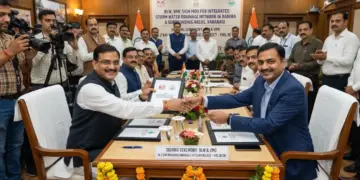
The transition to the DCI is part of broader deliberations within the 8th Central Pay Commission. The commission is actively engaging with various railway organizations to address concerns regarding pensions, recruitment, and promotion pathways. To ensure the final recommendations are grounded in reality, the 8th CPC team is conducting on-ground assessments, visiting various departments to witness the safety challenges and operational pressures faced by running staff firsthand.
Union Demands and Financial Stability
Railway employee bodies have raised significant points regarding the current pay structure. The Railway Senior Citizens Welfare Society (RSCWS) has strongly urged the commission to prioritize an increase in basic salary rather than just allowances. Their argument is rooted in the fact that many existing allowances are excluded from pension calculations, which negatively affects the financial security of retired employees. Meanwhile, the All India Railway Engineers Federation (AIREF) and the East Coast Railway Engineers Association (ECoREA) are advocating for streamlined career progression and improved salary frameworks.
This initiative follows a recent financial adjustment where the Finance Ministry approved a 25% increase in the Kilometer Allowance for running staff, which became effective on January 1, 2024. As Indian Railways continues to modernize its fleet with faster trains, this comprehensive salary overhaul is seen as a vital step in recognizing the critical role played by loco pilots in ensuring safe and efficient passenger travel.