


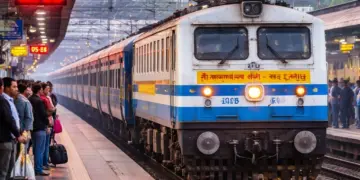





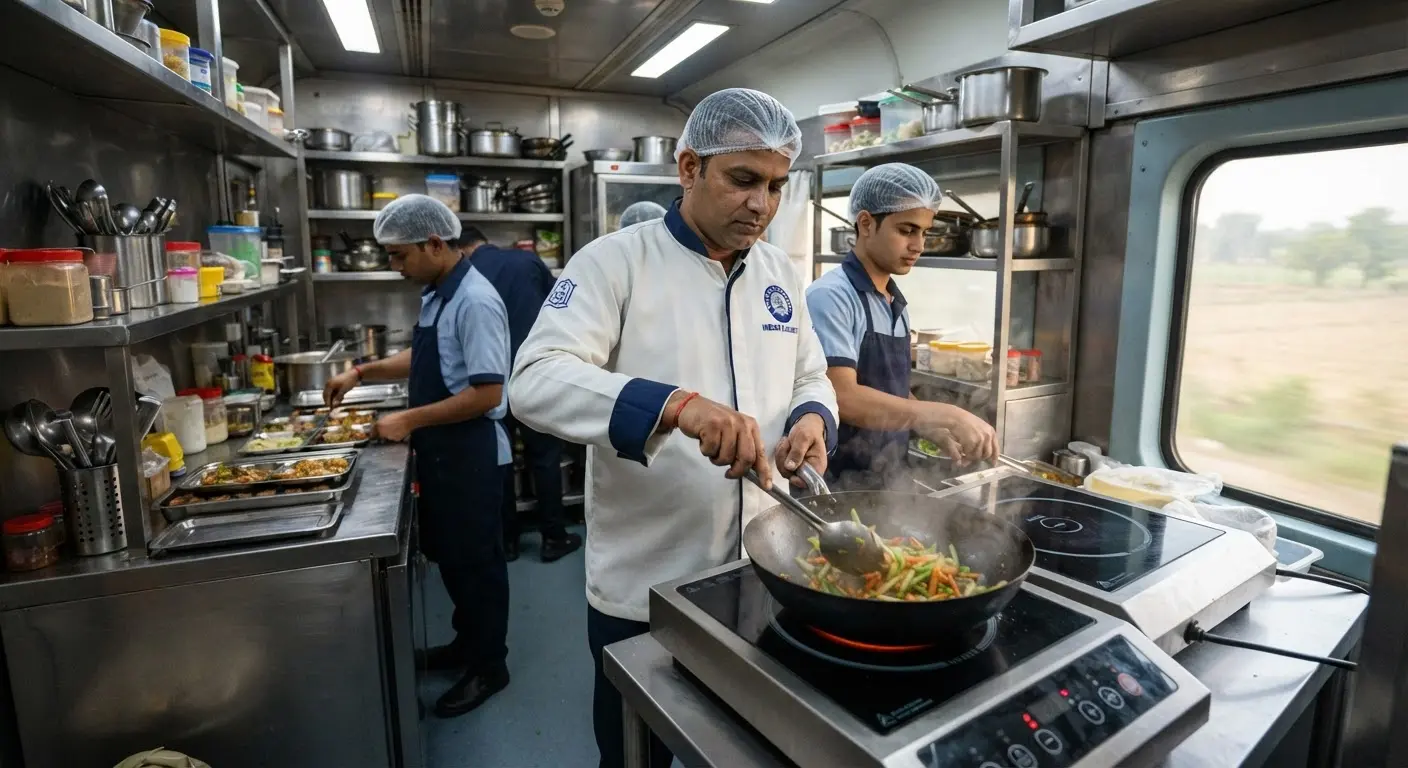

Indian Railways has officially updated its onboard catering policy to permit flameless cooking within the pantry cars of long-distance trains. This strategic shift, formalized by a Railway Board directive on March 12, 2026, aims to resolve issues surrounding commercial LPG shortages while meeting the rising demand for freshly prepared food among passengers. By transitioning to electric-based cooking methods, the national transporter is moving away from its previous reliance on external base kitchens for long-distance routes.
Key updates regarding the new catering policy include:
- Official approval granted on March 12, 2026, for flameless cooking on trains.
- Catering contractors must use induction stoves and microwaves for food preparation.
- The policy specifically targets LHB (Linke Hofmann Busch) pantry cars to improve service quality.
- Freshly prepared meals will now be prioritized for journeys exceeding 24 hours.
Enhancing Passenger Experience with Electric Cooking
Previously, cooking inside train pantry cars was largely restricted, forcing the IRCTC to rely heavily on “cluster kitchens” located at stations to supply food. According to IRCTC Chairman and Managing Director Sanjay Kumar Jain, this new “special case” authorization allows vendors to utilize electricity within the train, ensuring that meals are fresher and more accessible. This policy aligns with the 2017 Catering Policy, which focuses on the unbundling of food production and distribution to maintain higher hygiene and quality standards.
Future Outlook for Onboard Catering
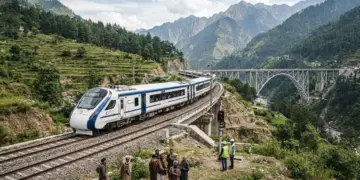
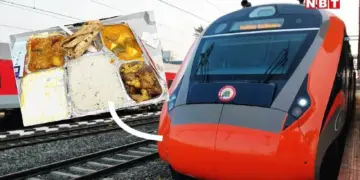
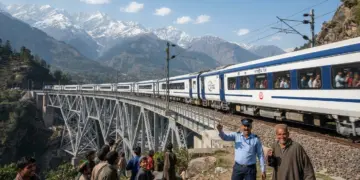
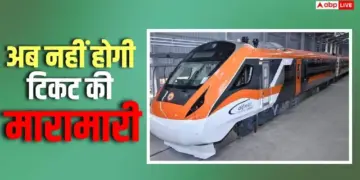
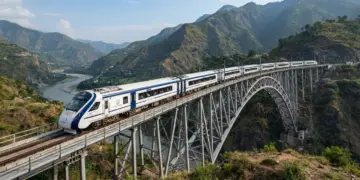
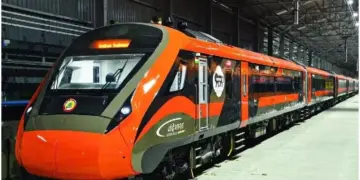
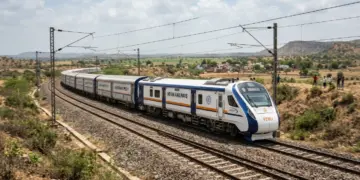
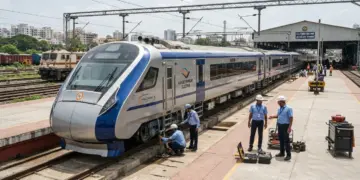
Currently, about 60% of food production across the railway network has already transitioned to electric cooking methods. While this shift is a major step forward for long-distance travel, it is important to note that Vande Bharat trains will continue to operate under their existing model, relying on pre-prepared and reheated meals sourced from external facilities. As Indian Railways continues to modernize, commuters can expect a gradual expansion of flameless pantry cars across more routes, further reducing the dependency on station-based base kitchens and ensuring that hot, fresh food is available throughout their journey.