

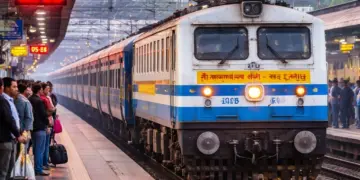





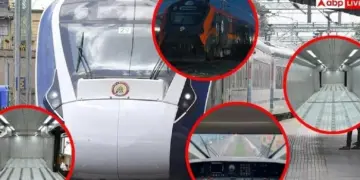


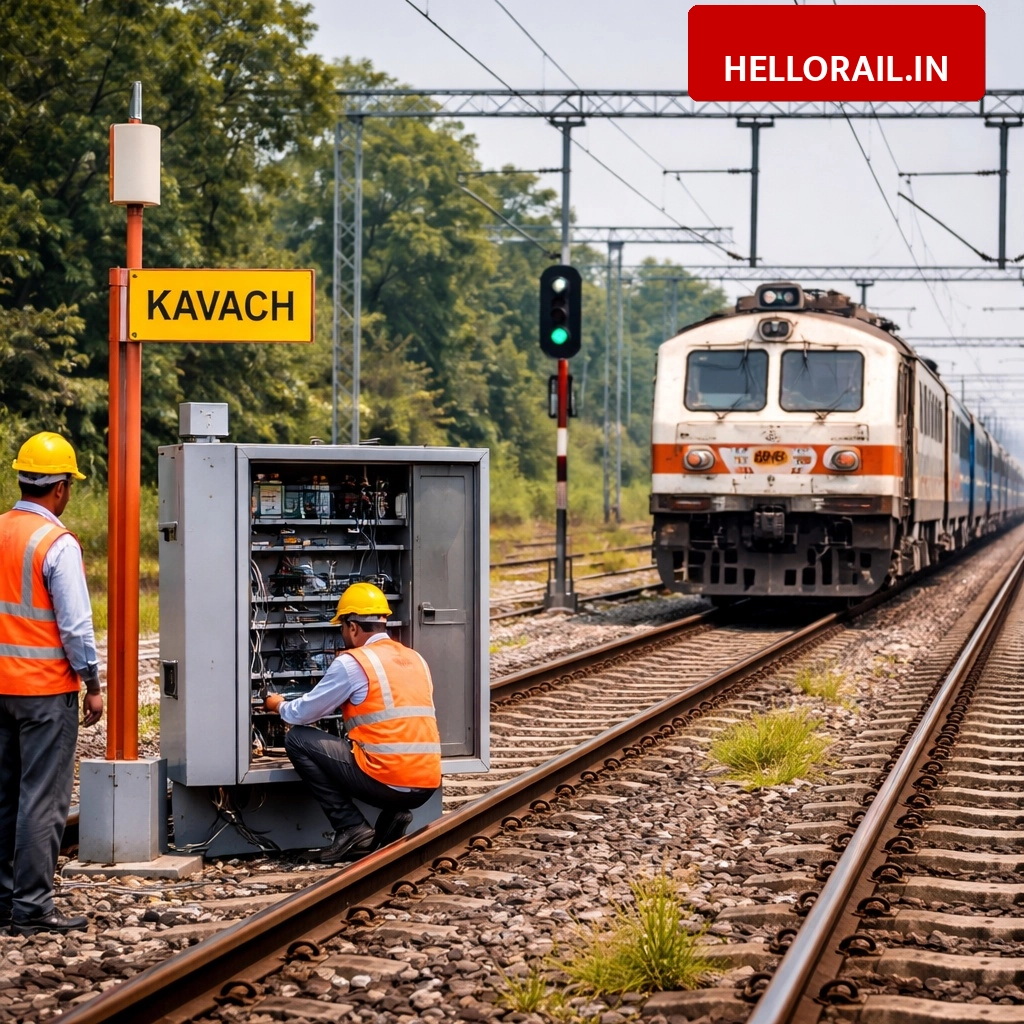

Indian Railways will install the indigenous Kavach system on the Hapur-Ghaziabad rail section to prevent train accidents. This high-tech automatic braking system will make train travel safer for passengers by reducing human errors. The project is part of a larger safety rollout covering sections from Ghaziabad to Roza.
What is the Kavach system and how does it work?
Kavach is an indigenous Automatic Train Protection (ATP) technology developed by RDSO. It uses underground cabling and device trackers to monitor trains in real-time. The system provides live signal information and speed alerts directly to the loco pilot to ensure the train stays within safe limits.
What are the main benefits of this technology?
The system is designed to prevent major accidents through several automated features:
| Feature | Benefit |
|---|---|
| Collision Prevention | Stops two trains from hitting each other on the same track |
| Signal Protection | Prevents trains from crossing a red signal (SPAD) |
| Speed Control | Automatically controls overspeeding |
| Emergency Braking | Applies automatic brakes if the pilot does not react |
What is the current status of Kavach implementation?
Indian Railways has adopted Kavach as the national ATP system since July 2020. It follows Safety Integrity Level-4 (SIL-4) standards, which means the chance of error is extremely low. While work is progressing on the Hapur-Ghaziabad section, the system has already been commissioned across 1,452 route kilometers on the Delhi-Mumbai and Delhi-Howrah corridors.
Frequently Asked Questions (FAQs)
What is the cost of installing Kavach?
The trackside infrastructure costs approximately ₹50 lakh per kilometer, while equipping each locomotive costs around ₹80 lakh.
Which sections are covered under this safety expansion?
The current expansion includes the Hapur-Ghaziabad section and extends across major areas including Moradabad, Bareilly, and Roza.