



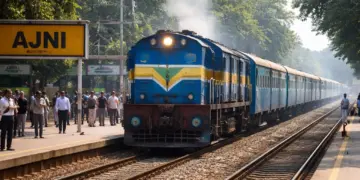






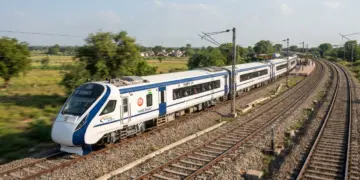
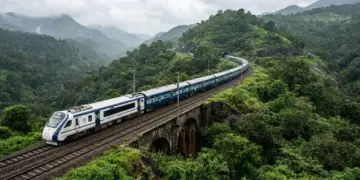
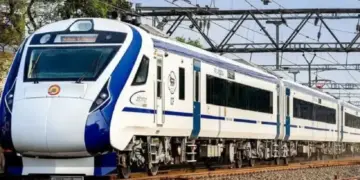



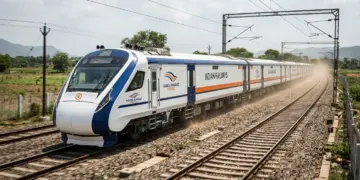


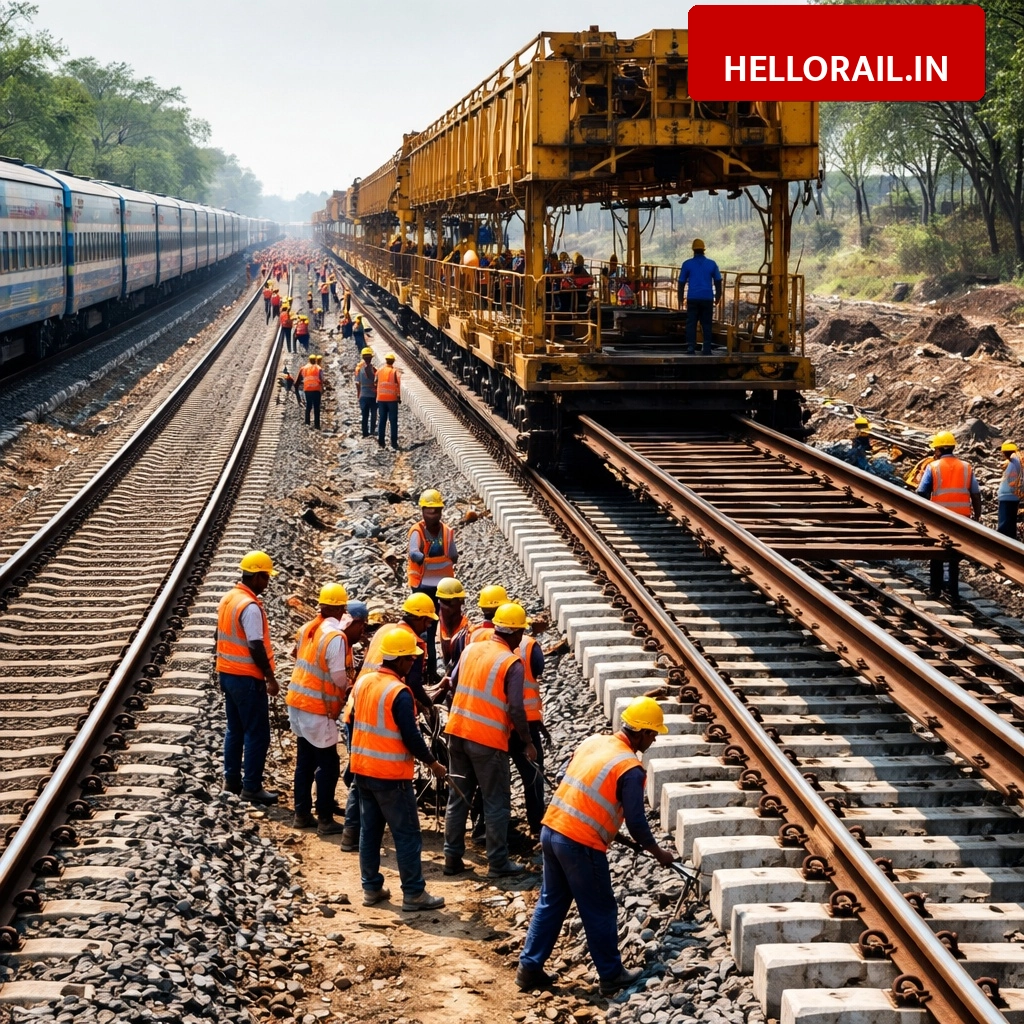

The Railway Board has approved the Detailed Project Report (DPR) for laying a fourth railway line between Chhapra and Barabanki. This move aims to strengthen the rail network and reduce the heavy traffic congestion on this busy route. The project will help trains run at higher speeds and ensure better punctuality for passengers.
What are the key details of the Chhapra-Barabanki fourth line project?
The project involves laying a fourth railway line over a distance of approximately 425 kilometers. This route is part of the High-Density Network (HDN)-4, which will allow trains to reach a maximum speed of 130 km/h. Currently, around 190 trains, including express and passenger services, operate daily on this section, leading to frequent delays.
| Feature | Details |
|---|---|
| Total Distance | Approx 425 km |
| Max Speed | 130 km/h |
| DPR Status | Approved by Railway Board |
| Budget Expectation | February 2027 |
| Survey Completion | January 23, 2026 (by NER) |
| Current Traffic | ~190 trains per day |
How will this project benefit passengers and freight services?
Sumit Kumar, CPRO of North Eastern Railway, stated that the fourth line will make train operations smoother and increase average speeds. This will lead to more timely journeys for passengers and better movement for goods trains. Since Barabanki is a hub for agriculture, food, and sugar industries, the increased capacity will lower freight costs and save time.
To further improve safety and speed, the railways plan to close most unmanned level crossings along the route. Officials believe that laying the third and fourth lines together will prevent repeated disruptions to traffic and allow work to be completed within a single engineering block.
Frequently Asked Questions (FAQs)
When will the budget for the Chhapra-Barabanki fourth line be allocated?
Railway officials expect that the financial approval and budget allocation for this project will be provided in February 2027.
What is the impact of this project on train speed?
As part of the HDN-4 network, the new lines will enable trains to operate at a maximum speed of 130 km/h, reducing travel time.