


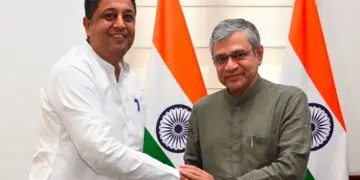
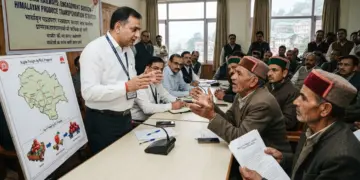
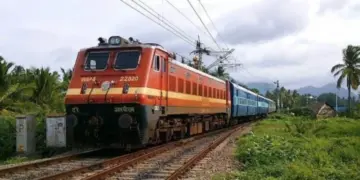
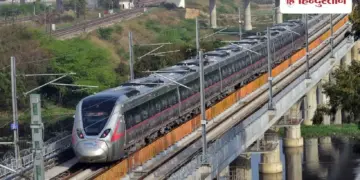
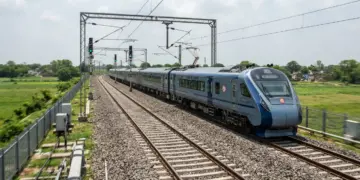
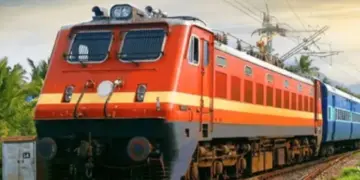


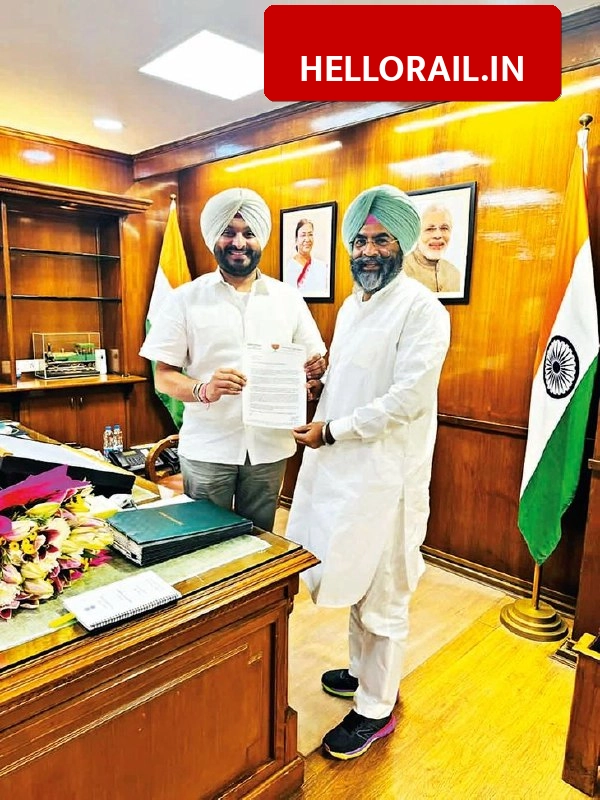

The Government of India has officially revived the long-pending Qadian-Beas railway line project. Union Minister of State for Railways, Ravneet Singh Bittu, announced the decision on June 18, 2026. This project will connect Gurdaspur and Amritsar districts, bringing a major change to the transport system in Punjab’s Majha region.
ℹ️: Budaun Railway Update: Underpass construction begins near platform to ease traffic congestion।
What are the project details and route?
The new broad-gauge corridor will be 39.68 kilometers long and will cost approximately ₹1,400 crore. The line will connect Qadian in Gurdaspur with Beas in Amritsar. The route will pass through several key locations to improve local connectivity.
| Feature | Details |
|---|---|
| Total Length | 39.68 km |
| Estimated Cost | ₹1,400 Crore |
| Major Towns | Qadian, Dhapai, Ghuman, Butala, Sathiala, and Beas |
| New Stations | Ghuman and Butala |
| Bridges | 11 Major and 121 Minor bridges |
| Safety System | Kavach (Collision Avoidance System) |
How will this project benefit the public?
The railway line will act as an alternative route to the Amritsar-Pathankot section during emergencies. It will help farmers get better market access and boost small-scale industries and trade in the Majha region. The project will also support religious tourism as it connects the international headquarters of Ahmadiyya Muslims in Qadian and the Radha Soami sect in Beas.
Northern Railway will execute the construction work, which is expected to take at least three years to complete. The project includes 54 Road Under Bridges (RUBs) and modern signalling systems to ensure smooth train operations.
Frequently Asked Questions (FAQs)
How long will it take to complete the Qadian-Beas railway line?
The project is estimated to take at least three years for completion after the official revival announcement in June 2026.
What safety features are being included in this project?
The line will be equipped with modern signalling and telecommunication systems, along with Kavach, India’s indigenous train collision avoidance system.