






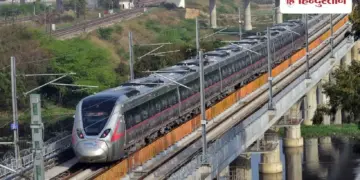





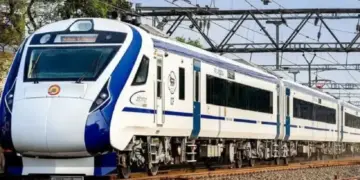





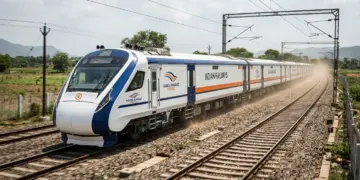
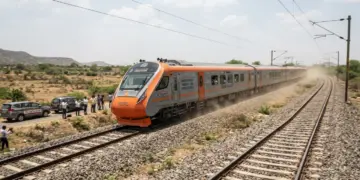


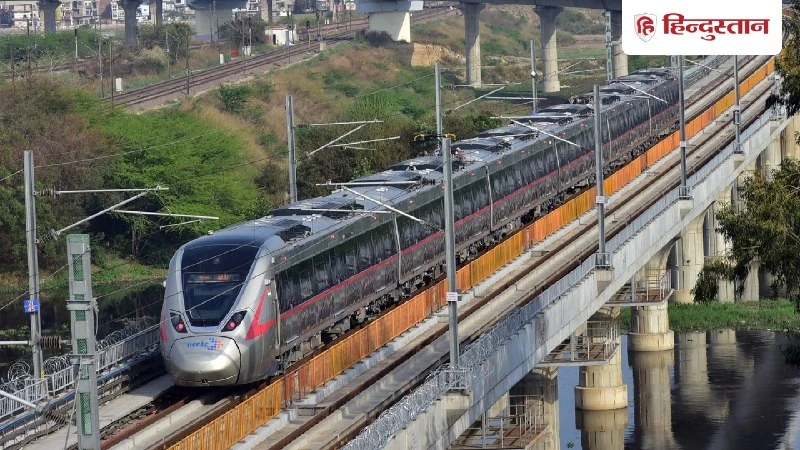

The Uttarakhand government has officially kickstarted the survey process for the proposed Namo Bharat Regional Rapid Transit System (RRTS) extension, marking a major milestone in connecting the Delhi-NCR region with the Himalayan state. By releasing the initial tranche of funds, the state administration has paved the way for a high-speed corridor that will link nine key cities, promising to transform travel for pilgrims and tourists alike.
Key highlights of the project include:
• A total corridor length of approximately 150 kilometers.
• Extension route covering 72 kilometers in Uttar Pradesh and 78 kilometers in Uttarakhand.
• Originating at Modipuram station in Meerut with a final destination at Lakshman Jhula in Rishikesh.
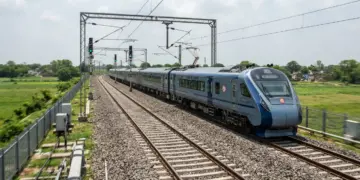
• Semi-high-speed trains capable of reaching 160 kilometers per hour.
• A travel time reduction between Delhi and Rishikesh to just three hours.
Connecting the Foothills to the Capital
The ambitious rail project is set to originate from the Modipuram station in Meerut. From there, the track will traverse through Muzaffarnagar before crossing into Uttarakhand. Once in the state, the alignment is planned to pass through Roorkee and the iconic Har ki Pauri in Haridwar, eventually terminating at Lakshman Jhula in Rishikesh. This strategic route is designed to provide seamless transit, significantly cutting down the current road travel time, which is expected to be nearly halved once the service becomes operational.
Project Progress and Future Outlook
The National Capital Region Transport Corporation (NCRTC) is spearheading the technical aspects of the project. To ensure smooth inter-state coordination, the Uttarakhand government has appointed Additional Secretary Reena Joshi as the nodal officer, while the Uttar Pradesh government has already provided its formal consent for the expansion. The project builds upon the success of the existing Namo Bharat service, which commenced operations between Delhi and Meerut in January 2025.
Officials expect the Detailed Project Report (DPR) to be completed within the next seven months. Beyond mere convenience, this extension is projected to act as a massive catalyst for the regional economy, providing a significant boost to the annual Char Dham Yatra and bolstering tourism infrastructure across the Himalayan belt. By integrating the high-speed rail network into the heart of Uttarakhand, the government aims to create a sustainable and efficient transport corridor for thousands of daily commuters and devotees.