


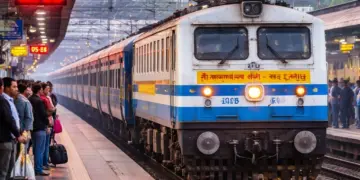















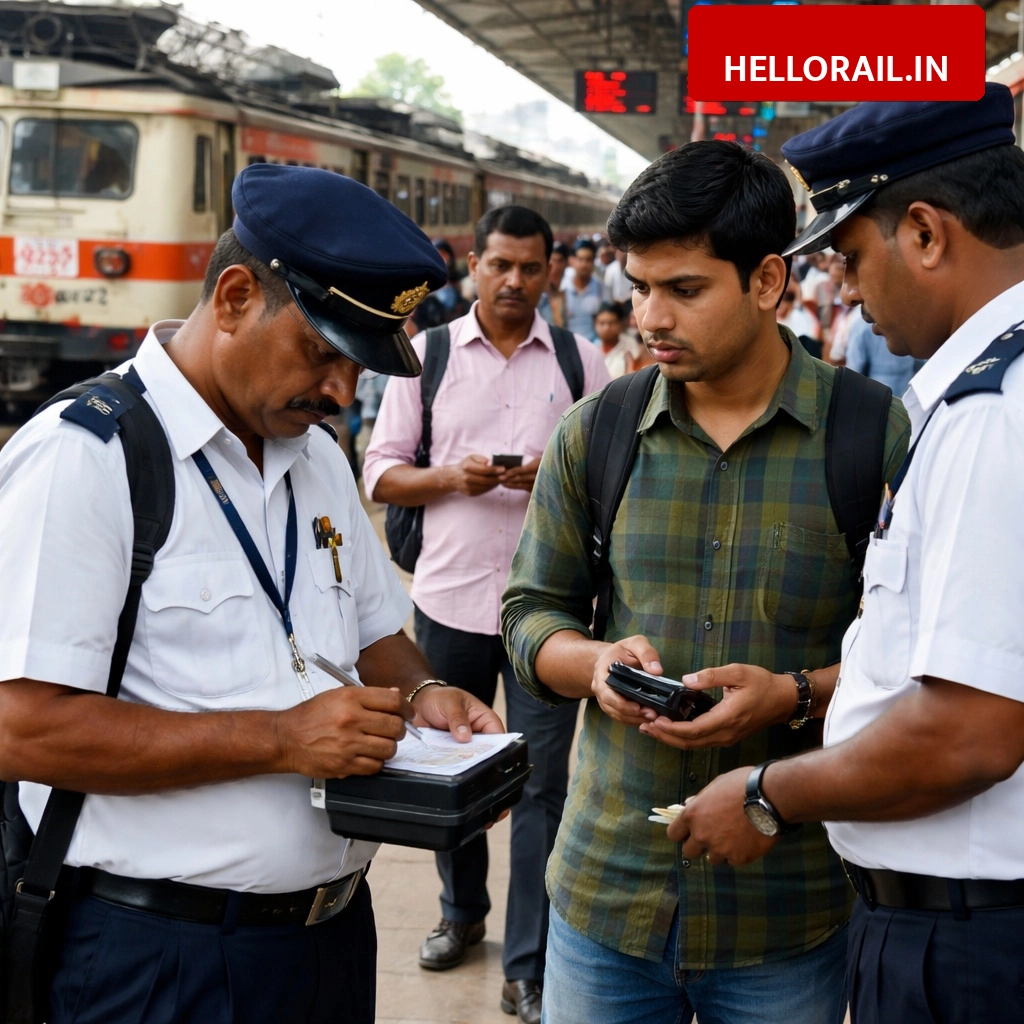

Indian Railways has increased the penalty for traveling without a ticket and carrying dangerous goods. These changes come under the Jan Vishwas (Amendment of Provisions) Act, 2026, which modifies sections 137 and 138 of the Railways Act. The new rules aim to improve safety and ensure passengers follow the law.
What are the new penalty charges for passengers
The minimum fine for traveling without a ticket has been doubled from ₹250 to ₹500. Besides the fine, the passenger will have to pay the full fare for the journey. Those traveling on a ticket booked in someone else’s name will also face action, including ticket seizure, full fare recovery, and a minimum ₹500 fine.
Penalties for safety violations and misconduct
| Violation | Penalty/Action |
|---|---|
| Carrying flammable or dangerous goods | Minimum ₹10,000 fine or jail |
| Men entering ladies reserved coach | Up to ₹2,500 fine |
| Unauthorized hawking or begging | ₹2,000 fine or 1 year jail |
| Creating nuisance or abuse | ₹1,000 fine |
| Nuisance under influence of alcohol | ₹1,000 fine, jail or community service |
| Unauthorized entry in passenger areas | ₹500 fine |
How will these rules be implemented
The Railway Board has notified all zonal railways about these changes. TTEs and railway officials are authorized to collect these fines through a compounding system. If a passenger refuses to pay the fine on the spot, the matter will be sent to the court for further legal action.
Frequently Asked Questions (FAQs)
What is the new fine for traveling without a ticket?
The minimum fine has been increased to ₹500 from the previous ₹250, and the passenger must also pay the full ticket fare.
What happens if someone carries flammable materials in the train?
Carrying flammable or dangerous goods now attracts a minimum penalty of ₹10,000 and can lead to imprisonment in serious cases.