


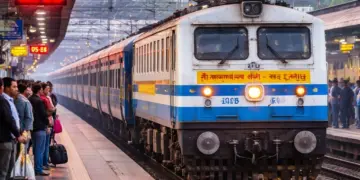


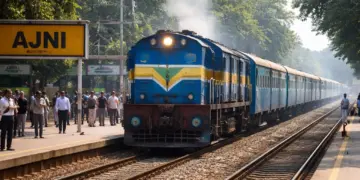



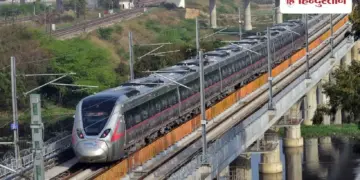
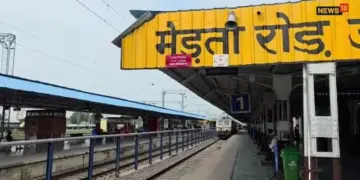







Indian Railways has introduced an Artificial Intelligence (AI) based feature in its official RailOne app to help passengers. This new tool predicts the chances of a waiting list ticket getting confirmed with up to 94% accuracy. It is the first time a government railway application is providing such AI-driven forecasts to help people plan their journeys better.
How does the AI prediction work for tickets?
The AI model analyzes millions of old reservation records and ticket cancellation patterns. It also considers factors like passenger demand on specific routes, weather conditions, holidays, and festival rushes. This has improved the prediction accuracy from the previous 53% to nearly 94%.
What are the key features of the RailOne app?
The RailOne app was launched in July 2025 and has seen over 3.5 crore downloads. It handles about 9.29 lakh ticket bookings daily, including both reserved and unreserved tickets. Apart from AI predictions, the app offers several useful services:
- Ticket booking, cancellation, and refunds
- Live train status and platform numbers
- Coach position and Rail Madad integration
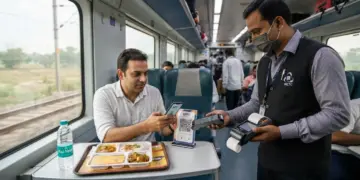
- Food ordering service for seats
What are the upcoming changes in the reservation system?
Railway Minister Ashwini Vaishnaw is monitoring a major upgrade of the Passenger Reservation System (PRS). The 40-year-old PRS will be replaced by a high-tech platform by August 2026. The Minister has instructed officials to ensure that passengers face no inconvenience during this transition. However, the railway has clarified that the AI prediction is a forecast and not a final guarantee of confirmation.
Frequently Asked Questions (FAQs)
Is the AI prediction a guarantee that my ticket will be confirmed?
No, the railway has clarified that this is only a forecast. Final confirmation depends on seat availability, cancellations, and the final chart preparation.
When will the old reservation system be replaced?
Indian Railways plans to replace the 40-year-old Passenger Reservation System (PRS) with a new high-tech platform by August 2026.