
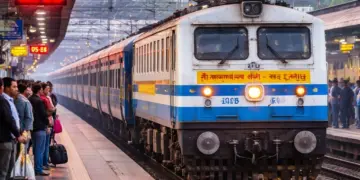

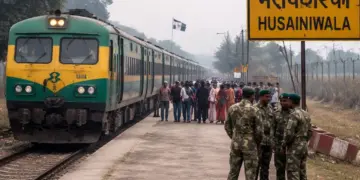
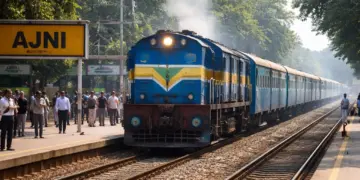




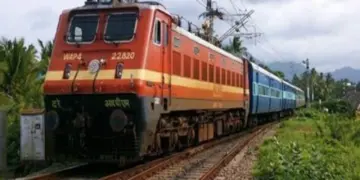




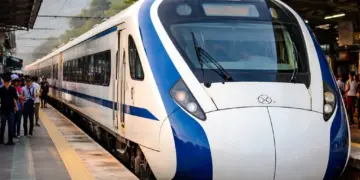



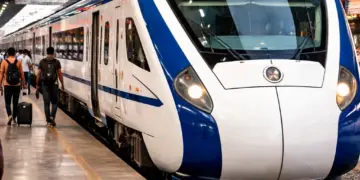
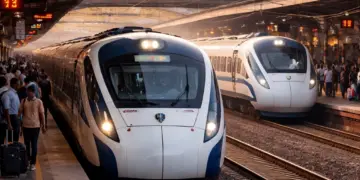



The Indian Railways is making significant strides on the ambitious 150-kilometer doubling and electrification project connecting Agra Fort and Bandikui. Designed to enhance connectivity between Agra and Jaipur, this project promises a faster and safer travel experience for thousands of passengers. With the foundation stone laid by Prime Minister Narendra Modi in February 2024, the project is currently in full swing with a firm deadline for completion by 2026.
Key highlights of the infrastructure project include:
- Target completion by 2026 to boost operational capacity.
- Increased train speeds up to 160 km/h once the line is fully operational.
- Reduction in travel time between Agra and Jaipur by approximately one hour.
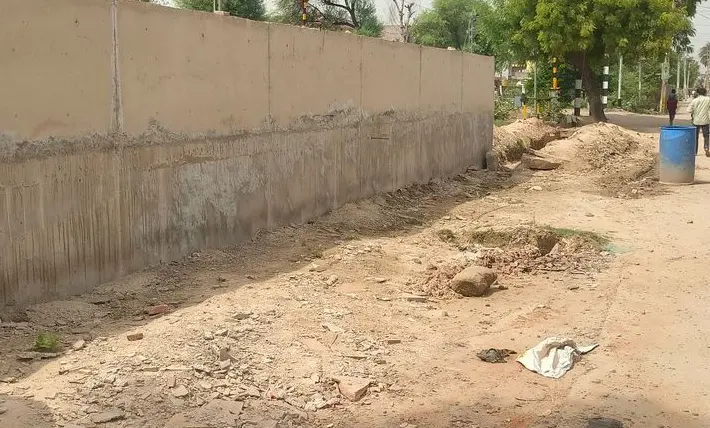
- Strategic fencing and boundary walls to prevent accidents involving stray animals.
- Project cost estimated between ₹1389 crore and ₹1518 crore.
Addressing Capacity and Safety Challenges
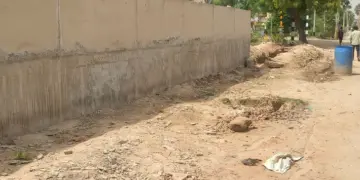
Currently, the single-track section suffers from a 126% capacity overload, leading to chronic train delays averaging two hours. The doubling project is a critical intervention to eliminate these bottlenecks. Work on electrification poles, temporary track laying, and concrete wall construction gained momentum in December 2025, while land leveling efforts began as early as September 2024 between Panchmukhi and Biwai. To support this infrastructure, the project includes the construction of 157 small bridges and 14 crossings, ensuring a robust network.
Environmental Compliance and Execution
Modernizing this route involves navigating complex environmental requirements, particularly within the Taj Trapezium Zone. In November 2025, the Central Empowered Committee (CEC) granted conditional approval for the felling of 1,571 trees. As part of the environmental mitigation plan, the railways have been mandated to undertake extensive compensatory afforestation, including the planting of 16,230 trees across 25 hectares, along with the installation of protective walls for the new saplings.
By addressing both the physical track constraints and safety concerns, this project is set to transform rail travel in the region. With an initial budget allocation of ₹150 crore in the 2024-25 fiscal year, the progress on this line is a clear indicator of the government’s commitment to upgrading vital rail corridors to meet modern passenger demands.