




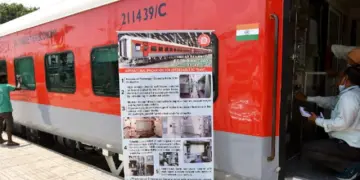



Indian Railways is currently reaching out to passengers to gather valuable feedback on its ‘Rail-One’ mobile application, a digital platform designed to streamline the travel experience. As of July 13, 2026, the national transporter has started placing QR codes inside long-distance train coaches, allowing commuters to share their experiences and suggestions instantly. This initiative is part of a broader effort to refine the app’s features and usability based on actual passenger needs.
Key takeaways regarding the Rail-One app transition include:
- The app currently provides nine core services including ticket booking, live tracking, and catering.
- Rail-One is scheduled to replace the existing UTS mobile app nationwide by March 2026.
- The platform currently handles a massive volume of approximately 1.5 lakh users every hour.
- Official directives issued on July 11, 2026, mandate that tickets must be displayed within the app; screenshots and PDFs are strictly invalid.
Future Enhancements and Digital Upgrades
Developed by the Centre for Railway Information Systems (CRIS) under the “One Nation One Railway” initiative, the app is envisioned as a one-stop shop for all traveler requirements. Based on the feedback collected from passengers, the Railways intends to introduce more language options, a revamped user interface, and a more robust complaint tracking system. This move is aimed at making the app more intuitive for the diverse demographic of Indian rail travelers.
Important Guidelines for Digital Ticketing
For passengers utilizing the digital unreserved ticketing feature, the Railways has issued strict compliance guidelines. It is mandatory for travelers to have their original digital ticket displayed within the Rail-One app on their registered mobile device, along with a valid photo ID for verification.
Furthermore, passengers are reminded that digital unreserved tickets must be booked before the train departs from the boarding station. Any ticket booked after the train has departed will be considered invalid, and passengers may face penalties. By shifting to this integrated system, Indian Railways hopes to eliminate the confusion caused by multiple fragmented platforms, ultimately ensuring a smoother, more efficient journey for millions of daily commuters.