




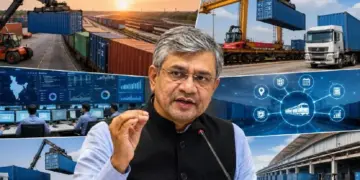
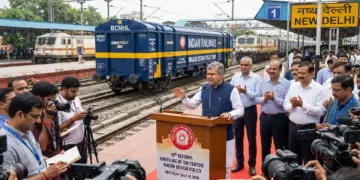







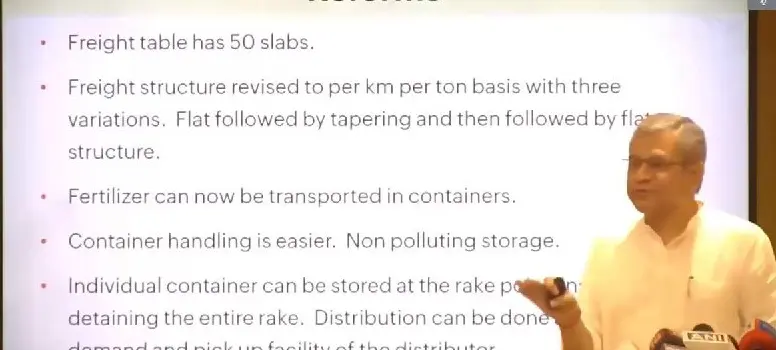

In a major policy shift aimed at streamlining logistics, Indian Railways has officially replaced its complex 50-slab freight structure for fertilizers with a simplified “per ton – per kilometer” charging system. Announced on July 14, 2026, by Railway Minister Ashwini Vaishnaw, this reform marks a significant step toward modernizing how essential agricultural goods are transported across the country. The move is designed to enhance operational efficiency, reduce logistical bottlenecks, and encourage greater private sector participation in the rail freight ecosystem.
Key highlights of the new freight policy include:
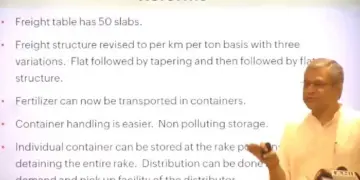
- Replacement of 50 distinct freight slabs with a unified per ton per kilometer calculation.
- Introduction of new measures to transport fertilizers, petroleum, and agricultural produce via containers.
- Emphasis on reducing contamination and lowering overall logistics costs for essential commodities.
- Part of a broader initiative to implement 52 major structural reforms within the current year.
Driving Efficiency and Innovation
This structural overhaul is not just about simplifying math; it is a strategic move to boost the rail network’s share in national freight transportation. By transitioning to a transparent and predictable billing model, the Railways aims to make rail logistics more attractive to private players. The integration of containerized transport for fertilizers and petroleum products is expected to provide a smoother handling process, ensuring that these goods reach their destination with minimal spoilage or contamination.
“This reform is part of a fresh set of structural changes aimed at improving project execution, encouraging private sector innovation in freight transportation, and enhancing overall logistics efficiency across the railway network,” stated the Ministry of Railways. The initiative also aligns with the government’s long-term vision of promoting greener logistics, especially as the national network nears full electrification.
Future Implications for Logistics
By simplifying the freight structure and promoting the use of containers, Indian Railways is positioning itself to be more competitive against road transport. These changes are expected to foster a more innovation-friendly environment, allowing the railway sector to adapt quickly to the evolving needs of the agricultural and industrial markets. As these 52 planned reforms continue to roll out, stakeholders expect a more robust and cost-effective freight network that supports India’s growing economy while maintaining a focus on sustainable transport practices.