


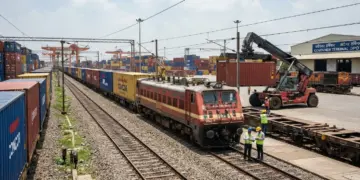
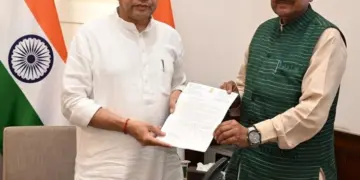


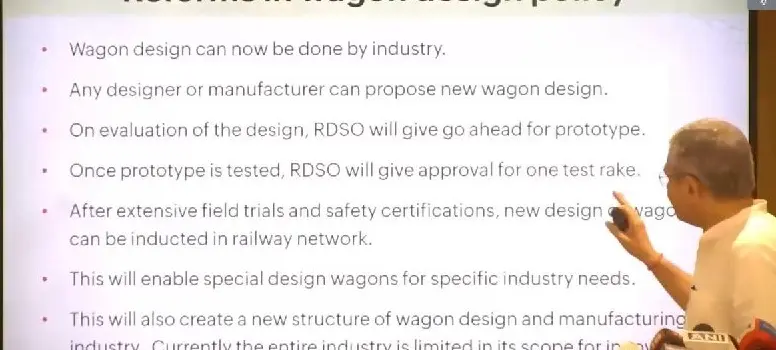

In a major move to boost freight efficiency and modernize logistics, Railway Minister Ashwini Vaishnaw announced a transformative Wagon Design Policy on July 14, 2026. This policy marks a significant shift in how Indian Railways approaches freight transport by empowering industries to propose and design their own specialized wagons. By moving away from a one-size-fits-all approach, the initiative aims to reduce national logistics costs and lower carbon emissions, aligning with the country’s vision for Green Railways and Green Logistics.
Key highlights of the new policy include:
- Industries can now propose custom wagon designs tailored to specific commodity needs.
- The Research Designs and Standards Organisation (RDSO) will lead the technical evaluation.
- A rigorous five-stage approval process ensures safety and operational excellence.
- New designs must undergo 50,000 kilometers of testing over six months.
- The policy aims to enhance freight traffic share by improving loading and unloading efficiency.
The Approval and Testing Process
To maintain the highest safety standards, the Ministry of Railways has outlined a strict five-stage procedure. It begins with the conceptualization and submission of designs to the RDSO, followed by in-principle approval. Once cleared, industries will move to detailed designing and prototype manufacturing. The final stages involve intensive static and dynamic testing, followed by mandatory rake testing. Before widespread deployment, every new design must receive inspection by the Chief Commissioner of Railway Safety (CCRS) and final sanction from the Railway Board.
Building on Success
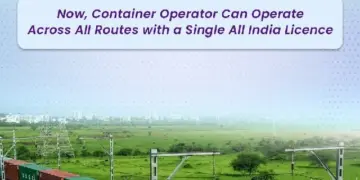
This initiative follows the proven success of specialized wagons previously introduced for commodities like cement and salt, which significantly boosted operational efficiency. Minister Vaishnaw noted that this policy is part of a broader reform package. Other key updates include stricter eligibility norms for contractors, a new unified licensing system under the container policy, and the adoption of container-based transportation for fly ash to mitigate environmental pollution. By inviting trade bodies and freight customers to participate in design innovation, Indian Railways is positioning itself as a more industry-friendly and competitive logistics provider.