

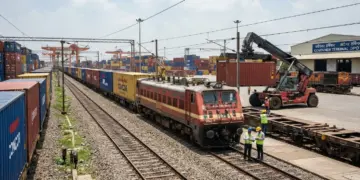
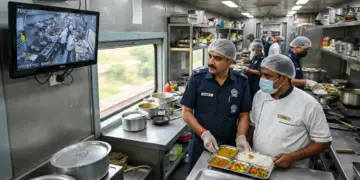
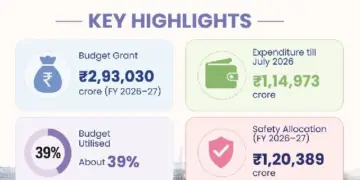
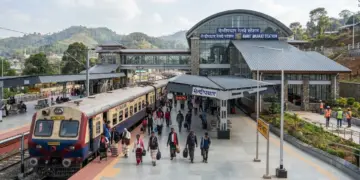


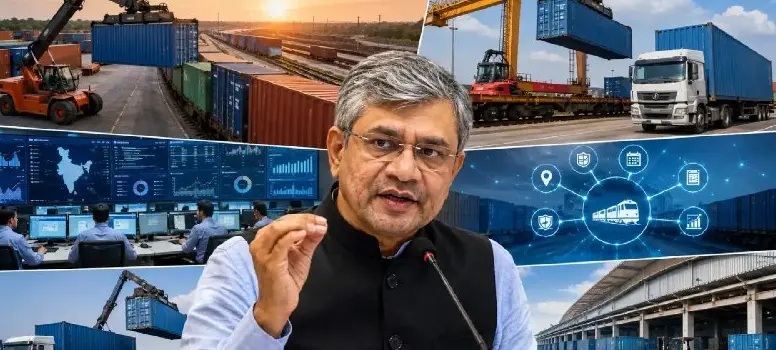

Union Railway Minister Ashwini Vaishnaw announced a comprehensive series of reforms on July 14, 2026, aimed at modernizing India’s rail network. These 52 systemic improvements are designed to position the national transporter as the preferred mode for freight logistics while prioritizing environmental sustainability and economic viability. Key highlights of these reforms include:
- Transitioning fly ash transport to specialized covered containers to curb pollution.
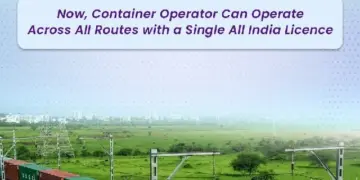
- Introducing a unified all-India Container Train Operator (CTO) license.
- Replacing complex fertilizer freight slabs with a simplified per-kilometer, per-ton model.
- Launching the ‘Rail Bhoomi’ portal to digitize and accelerate land acquisition by 30-40%.
- Mandating a Railway Skill Certification Framework for infrastructure workers.
Freight and Logistics Overhaul
Under the new reforms, the strategy for handling fly ash is set for a major upgrade. Currently, Indian Railways moves only **4% of the 340 million metric tonnes** of fly ash produced annually. By shifting from open wagons to specialized covered containers capable of pneumatic unloading, the railways aim to significantly reduce environmental hazards. Furthermore, the container sector is being liberalized through a **unified all-India CTO license**, which comes with a **₹25 crore non-refundable registration fee** and an automatic 20-year extension to encourage long-term private investment.
For the agricultural sector, Reform 12 simplifies the fertilizer freight structure. By moving to a **per-kilometer, per-ton pricing model**, the government is eliminating 50 cumbersome slabs, making rail transport more efficient for the commodity where railways already command an **85% market share**.
Infrastructure and Industry Empowerment
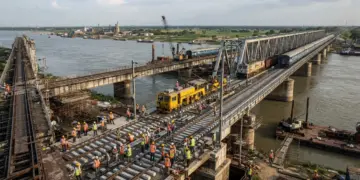
Efficiency is the core theme of the new construction and operational guidelines. To ensure high-quality delivery, contractors must now provide **10% upfront performance security** and meet strict criteria regarding litigation history. Additionally, the reforms empower industries, including petroleum companies, to design and procure their own specialized tank wagons, provided they pass rigorous vetting by the **Research Designs and Standards Organisation (RDSO)** and the **Chief Commissioner of Railway Safety (CCRS)**.
These measures are expected to lower transportation costs and reduce legal bottlenecks. By digitizing land management through the new ‘Rail Bhoomi’ portal and enforcing professional insurance for contractors, Indian Railways is clearly moving toward a more transparent, business-friendly, and greener logistics future. These changes collectively aim to shift more cargo from road transport to rail, ensuring a robust and modernized supply chain for the nation.