








In a major structural reform aimed at modernizing India’s logistics sector, Indian Railways officially launched a unified container train operator framework on July 14, 2026. Spearheaded by Union Railways Minister Ashwini Vaishnaw, this initiative is one of 52 key reforms planned for the year, designed to streamline operations, enhance nationwide connectivity, and encourage private sector participation in rail freight.
Key updates from the new policy include:
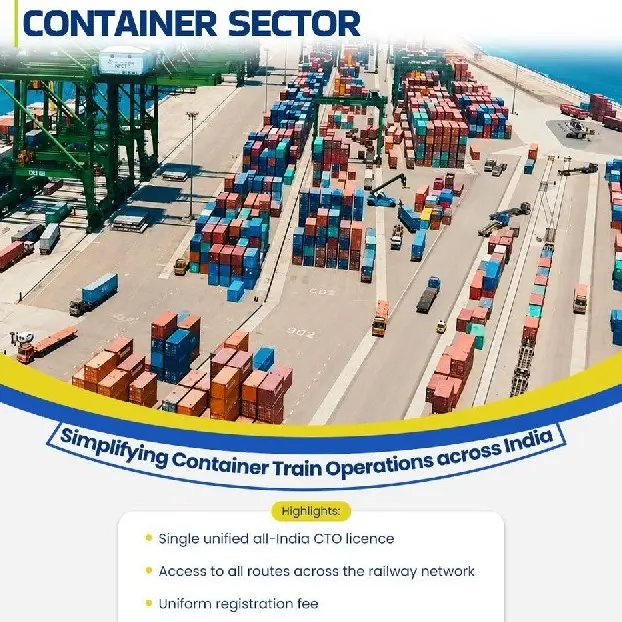
- Transition to a single, pan-India license for all Container Train Operators (CTOs), removing previous Category I-IV route restrictions.
- Introduction of a uniform, non-refundable registration fee of ₹25 crore for all routes.
- Abolishment of periodic renewal fees after 20 years to reduce regulatory burdens.
- New rationalized freight tariffs for fertilizer transportation and the introduction of specialized containers for fly ash.
Simplifying the Freight Landscape
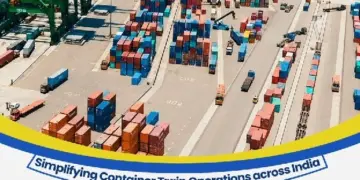
Previously, operators faced complex, route-specific restrictions based on four distinct categories. By shifting to a single, nationwide license, the Ministry of Railways aims to improve wagon turnaround times and provide operators with the flexibility needed to distribute goods efficiently across the country. Minister Vaishnaw highlighted that this move is central to the government’s vision of increasing the railway’s share in the national freight market to 40% by 2040 through aggressive containerization.
New Initiatives for Fertilizer and Fly Ash
Beyond the licensing overhaul, the Railways has introduced a rationalized tariff structure for fertilizers. This new model utilizes a per km per ton freight structure that incorporates flat and tapering variations, allowing for more cost-effective logistics. Furthermore, the policy permits individual fertilizer containers to be stored at rake points, enabling a demand-driven distribution model that benefits both the industry and end-users.
To address environmental concerns, the Railways is now promoting the use of specialized covered containers for transporting fly ash. This shift is expected to significantly reduce pollution during the loading and unloading processes. To ensure these advancements keep pace with modern technology, the Research Designs and Standards Organisation (RDSO) has been tasked with evaluating new freight wagon designs proposed by private industries. These comprehensive changes signal a robust push toward a more efficient, flexible, and sustainable freight network for India.