



















Prime Minister Narendra Modi is scheduled to inaugurate four majorly redeveloped railway stations in Punjab on July 17, 2026, marking a significant milestone in the state’s rail infrastructure development. The announcement was shared by Punjab BJP President Kewal Singh Dhillon, highlighting the central government’s focus on enhancing passenger amenities and connectivity under the ambitious Amrit Bharat Station Scheme.
Key highlights of the upcoming inauguration include:
• Date and Time: July 17, 2026, at approximately 3 p.m.
• Stations being inaugurated: Jalandhar Cantt, S.A.S. Nagar (Mohali), Sri Muktsar Sahib, and Sri Anandpur Sahib.
• Inauguration mode: The Prime Minister will be physically present at Jalandhar Cantt, while the other three stations will be dedicated to the nation virtually.
• Investment: The Jalandhar Cantt station redevelopment alone cost approximately 125 crore rupees.
Modernizing Punjab’s Railway Infrastructure
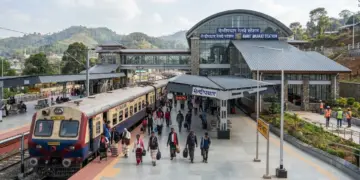
The redevelopment project is part of a broader vision to transform railway stations into modern, world-class transport hubs. The upgraded Jalandhar Cantt station now features state-of-the-art amenities, including modern air concourses, two new foot overbridges, lifts, escalators, air-conditioned waiting rooms, and advanced digital passenger information systems. These upgrades are designed to provide a seamless travel experience while ensuring the stations remain accessible and efficient for all passengers.
Commitment to the Amrit Bharat Station Scheme
Beyond these four stations, the central government has been aggressively pursuing the modernization of rail infrastructure across Punjab. According to Kewal Singh Dhillon, Indian Railways has successfully completed the redevelopment of 10 railway stations in the state at a total investment of 424.02 crore rupees.
These projects aim to do more than just improve station aesthetics; they are intended to boost regional tourism, trade, and economic growth. By blending modern engineering with local architectural heritage, the Amrit Bharat Station Scheme ensures that these transit points serve as gateways to the state’s culture. This initiative underscores the government’s ongoing commitment to providing global-standard public amenities to rail commuters across the country.