




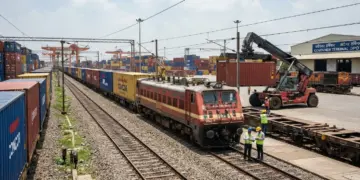
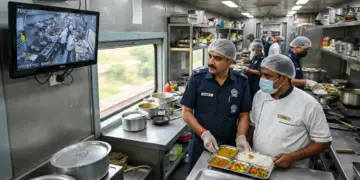
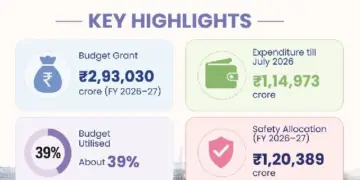
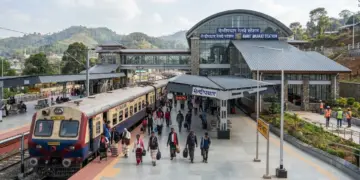



On July 14, 2026, Railway Minister Ashwini Vaishnaw unveiled a comprehensive set of eight structural reforms designed to overhaul freight logistics, project execution, and infrastructure development across Indian Railways. Part of the ambitious ’52 Reforms in 52 Weeks’ initiative, these updates aim to streamline operations and enhance benefits for both commercial stakeholders and passengers. Key highlights of the announcement include:
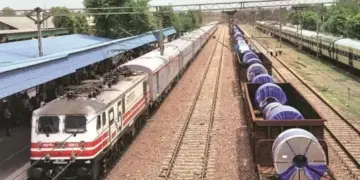
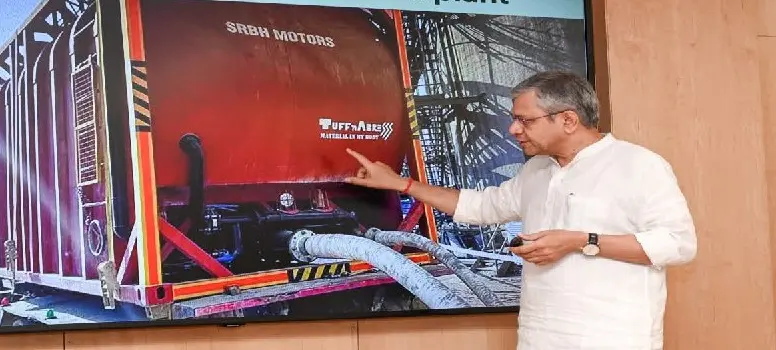
- Introduction of ISO-standard containers for dust-free transport of fly ash and fertilizers.
- A standardized integrated license policy for Container Train Operators (CTOs) with a INR 25 crore registration fee.
- New provisions allowing industries to design custom-built wagons with RDSO oversight.
- Launch of the ‘Rail Land Portal’ to digitize land acquisition and insurance processes.
- Implementation of a formal skill certification system for railway project workers over the next 24 months.
- Stricter contractor eligibility criteria and a 10% performance security requirement to ensure project quality.
Boosting Freight and Logistics Efficiency
Minister Vaishnaw emphasized that these structural changes are intended to reduce overall freight costs and improve supply chain reliability. By moving towards ISO-standard containers for commodities like fly ash, fertilizers, and food grains such as flour, the railways expect to mitigate environmental pollution while simplifying storage logistics. Furthermore, the new CTO policy provides long-term stability, allowing operators to extend their licenses after 20 years without incurring additional fees, a move designed to attract significant private investment into the rail sector.
Modernizing Project Execution and Workforce
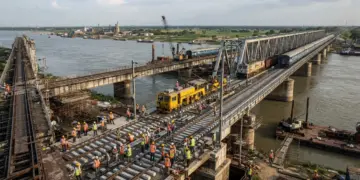
To address the persistent issue of project delays, the Ministry is tightening oversight on construction and infrastructure projects. The introduction of the ‘Rail Land Portal’ will bring transparency to land acquisition through a fully digitized system. Additionally, to ensure high-quality workmanship, a new certification program will be rolled out for essential railway project workers, including welders, fitters, and masons. By mandating a 10% performance security deposit for contractors, the government aims to enforce higher standards of construction and minimize disputes. These reforms reflect a broader commitment to aligning the Indian Railway ecosystem with modern, global logistics standards, ultimately fostering innovation and faster project delivery.