




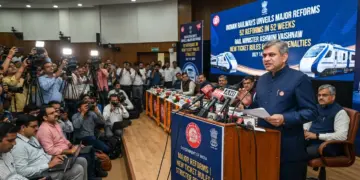
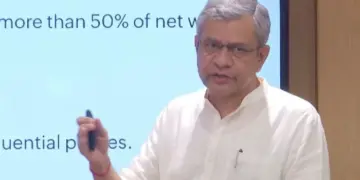
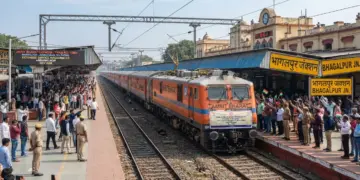
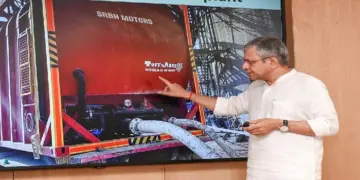
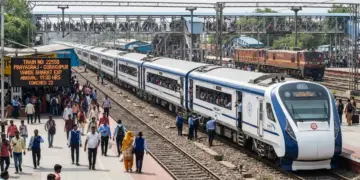




Union Minister for Railways Shri Ashwini Vaishnaw has unveiled eight transformative reforms under the ‘Reform Express’ initiative, marking a significant step toward the national goal of implementing 52 reforms within 52 weeks. These updates, announced on July 14, 2026, focus on streamlining freight logistics, enhancing operational efficiency, and promoting sustainable transportation across the country.
Key highlights of the new railway reforms include:
• Transitioning to a simplified per tonne per kilometre freight rate for foodgrains, pulses, and flour.
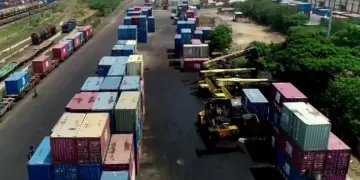
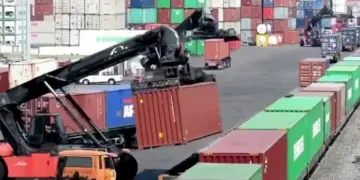
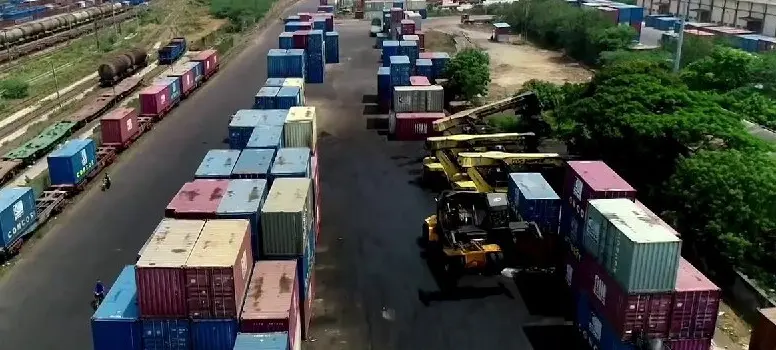
• Permitting containerized movement of essential food commodities to reduce contamination and improve quality.
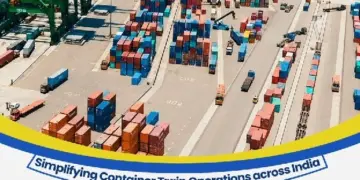
• Implementing a single, unified Pan-India license for Container Train Operators (CTOs) valid for 20 years.
• Launching the ‘Rail Bhoomi’ portal to accelerate land acquisition processes by 30-40%.
• Expanding containerized movement to include fertilizers and fly ash.
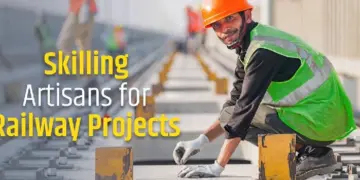
• Introducing a new skill certification framework for critical railway trade workers.
Modernizing Foodgrain Logistics
One of the most significant changes involves how India moves its essential food supplies. By replacing the complex, outdated slab-based freight structure with a straightforward **per tonne per kilometre rate**, the Railways is making logistics more transparent for stakeholders. The move to allow **containerized movement** for these commodities is a game-changer, ensuring that grains are stored safely, handled with ease, and distributed in phases. Beyond efficiency, this shift supports environmental sustainability, as rail transport of these goods produces **up to 90% lower carbon emissions** compared to traditional road transport.
Simplified Licensing and Infrastructure Growth
To encourage private investment and boost the supply chain, the government has overhauled the licensing framework for Container Train Operators. Operators can now secure a **single, unified Pan-India license** for a **non-refundable fee of ₹25 crore**, providing long-term stability with a **20-year validity**.
Furthermore, the introduction of the **’Rail Bhoomi’ portal** is set to revolutionize infrastructure development by cutting down land acquisition timelines by **30-40%**. These structural changes, combined with stricter financial criteria for construction contractors, aim to create a more robust and professional railway ecosystem. By modernizing trade practices and focusing on worker skill certification, Indian Railways is positioning itself for a more efficient and technologically advanced future.