









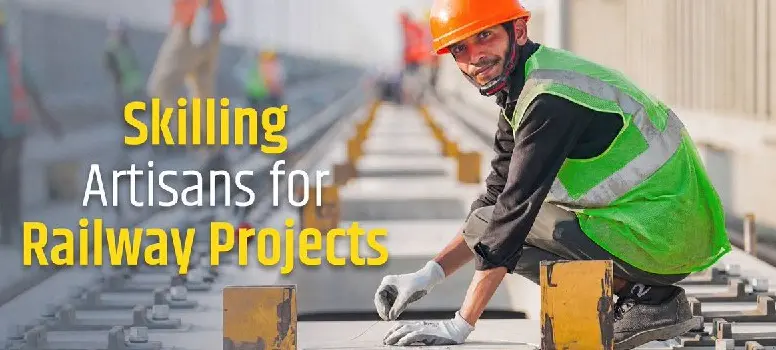

On July 14, 2026, Union Railway Minister Ashwini Vaishnaw unveiled a significant shift in infrastructure development by launching a mandatory skill certification framework for all contractor-executed railway projects. This initiative is a central pillar of the Ministry of Railways’ ambitious “52 reforms in 52 weeks” program, designed to elevate the standard of workmanship and safety across the national rail network.
Key highlights of the new policy include:
- Introduction of a standardized practical and oral assessment system for artisans and supervisors.
- Issuance of QR code-enabled certificates linked to a live verification database to prevent fraud.
- Focus on critical trades including welding, fitting, masonry, plumbing, electrical work, and bar bending.
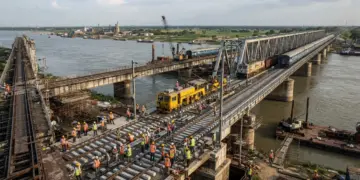
- Phased implementation over a 24-month period, prioritizing complex structures like bridges and tunnels.
- Requirement that only certified professionals will be authorized to perform specialized railway tasks.
Raising the Bar for Infrastructure Quality
Minister Vaishnaw emphasized that as Indian Railways undergoes massive infrastructure expansion, the quality of human capital is just as vital as the technology deployed. By formalizing the skills of those working on the ground, the Ministry aims to ensure that every project meets high-end safety and durability benchmarks. The move is expected to eliminate inconsistencies in workmanship that have historically plagued large-scale civil engineering projects.
Phased Rollout and Wider Reforms
The certification program will not be executed overnight. Instead, it will be rolled out in phases, starting with major and complex projects such as bridge construction and tunnel boring. Eventually, the framework will be integrated across all Zonal Railways and Production Units. This policy is one of eight major structural reforms recently announced by the Ministry, which also include sweeping changes to freight transportation policies, revised contractor eligibility criteria, and the launch of the “Rail Bhoomi” digital platform.
By ensuring that only verified, skilled experts are handling critical railway infrastructure, the Indian Railways is positioning itself for a safer and more efficient future, minimizing the risk of project delays and maintenance issues down the line.