

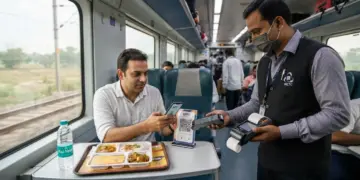
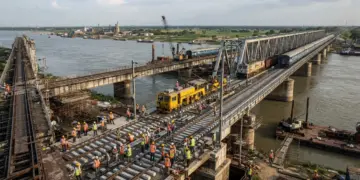
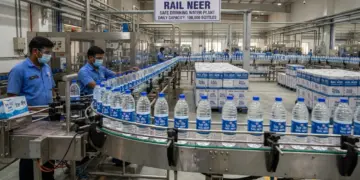
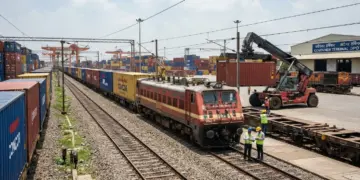


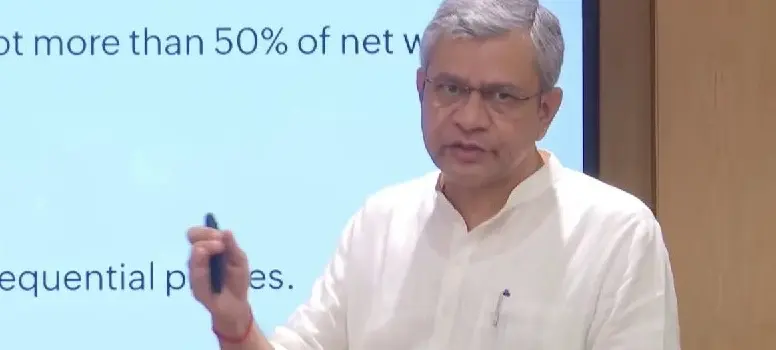

On July 14, 2026, Union Railway Minister Ashwini Vaishnaw unveiled a major set of structural reforms aimed at transforming the national transporter. As part of the ongoing “52 Reforms in 52 Weeks” initiative, the latest announcement marks the completion of 17 key policy changes designed to improve project execution, freight efficiency, and private sector participation. These measures focus on reducing logistics costs and streamlining the railway’s digital and physical infrastructure.
Key highlights of the new reforms include:
- Mandatory 10% upfront performance security for contractors to ensure project accountability.
- Strict eligibility criteria barring contractors with litigation claims exceeding 50% of their net worth.
- The launch of the Rail Bhoomi Portal to digitize land management and cut acquisition timelines by 30-40%.
- A simplified per tonne per kilometer freight structure to replace complex slab systems.
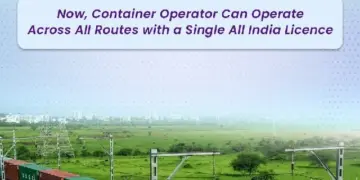
- A unified pan-India container license regime with a ₹25 crore fee valid for 20 years.
Strengthening Construction and Land Management
To enhance quality and speed in railway construction, the Ministry has overhauled its procurement process. By replacing old deduction systems with an upfront 10% performance security, the Railways aim to ensure higher contractor commitment. Furthermore, the introduction of the Rail Bhoomi Portal, developed by CRIS, is a game-changer. By providing a digital end-to-end land management system, the portal is projected to reduce land acquisition timelines by 30% to 40%, clearing the path for faster project completion.
Revolutionizing Freight and Logistics
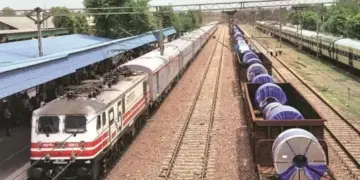
Significant changes are coming to the freight sector to boost efficiency. The transition to a per tonne per kilometer rate simplifies the previous slab-based system, making it more transparent for users. In a move to improve supply chains, the Railways will now allow the transportation of fertilizers, foodgrains, and pulses in containers. Additionally, to combat environmental concerns, fly ash will now be transported in specialized closed containers instead of open wagons.
Private sector involvement is also being expanded. Oil companies are now permitted to procure or lease specialized tank wagons to optimize the transport of petroleum products. To support these industrial needs, a new policy allows companies to develop custom freight wagon designs, subject to approval by the Research Designs and Standards Organisation (RDSO). Finally, a new skill certification framework for artisans has been established to ensure that all railway projects are supported by a high-quality, skilled workforce.