





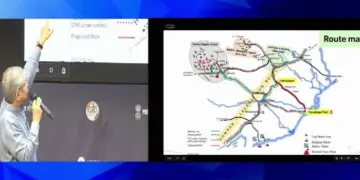


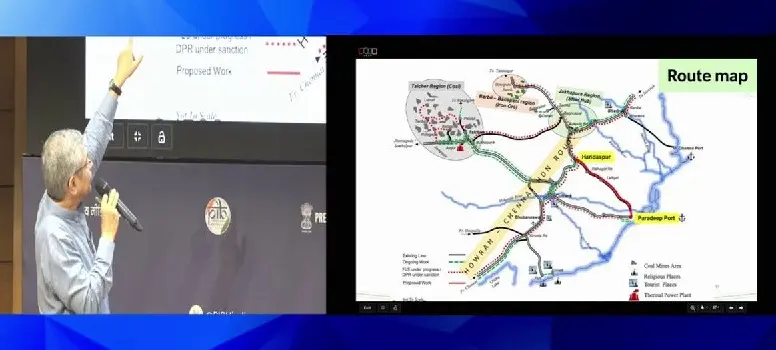

The Union Cabinet, led by Prime Minister Narendra Modi, has officially approved the doubling of the 74-kilometre rail line between Haridaspur and Paradeep in Odisha. This major infrastructure project, announced by Union Railway Minister Ashwini Vaishnaw on Wednesday, July 15, 2026, marks a significant boost for the state’s logistics and industrial connectivity. The initiative is part of a broader push under the PM Gati Shakti National Master Plan to streamline multi-modal connectivity across the nation.
Key highlights of the project include:
• An estimated project cost of ₹2,542 crore, fully funded by the central government.
• A target completion timeline set for the 2030–31 fiscal year.
• An expected increase in freight capacity by 44 million tonnes per annum (MTPA).
• Enhanced transportation of essential commodities including coal, iron ore, and limestone.
Boosting Logistics and Economic Growth
This doubling project is crucial for the Paradeep Port, which serves as a vital gateway for bulk commodities. By removing the constraints of a single line, the railway aims to significantly improve the efficiency of freight movement, directly supporting the industrial growth of the region. Along with the newly approved fourth rail line between Rajkharsawan and Dangoaposi in Jharkhand, these projects represent a combined investment of ₹3,907 crore aimed at transforming rail infrastructure in Eastern India.
Beyond Freight and Infrastructure
While the primary focus is on logistics, the project is set to offer broader socio-economic benefits. The improved rail access will facilitate better connectivity to tourist hotspots like the Lalitgiri Buddhist Complex, making travel more convenient for visitors. Furthermore, the expansion is expected to generate significant local employment opportunities during the construction and operational phases.
From an environmental perspective, the government anticipates that this shift to rail will contribute to national sustainability goals by reducing the reliance on road transport, thereby helping to lower oil imports and decrease CO2 emissions. State leaders, including Union Education Minister Dharmendra Pradhan and Odisha Chief Minister Mohan Charan Majhi, have lauded the move as a major milestone for Odisha’s economic trajectory and the broader ‘Purvodaya’ vision for the development of Eastern India.