
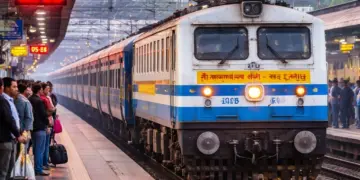






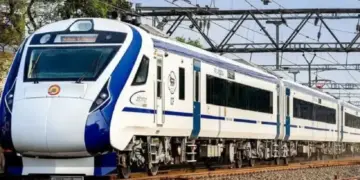

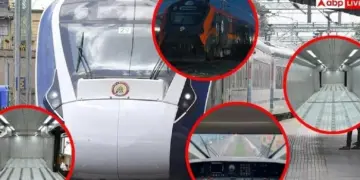
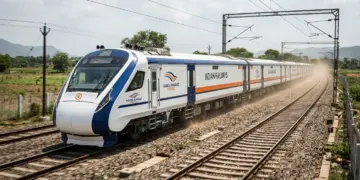
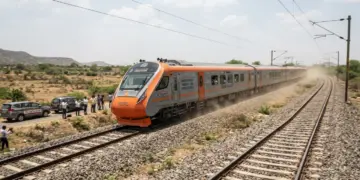


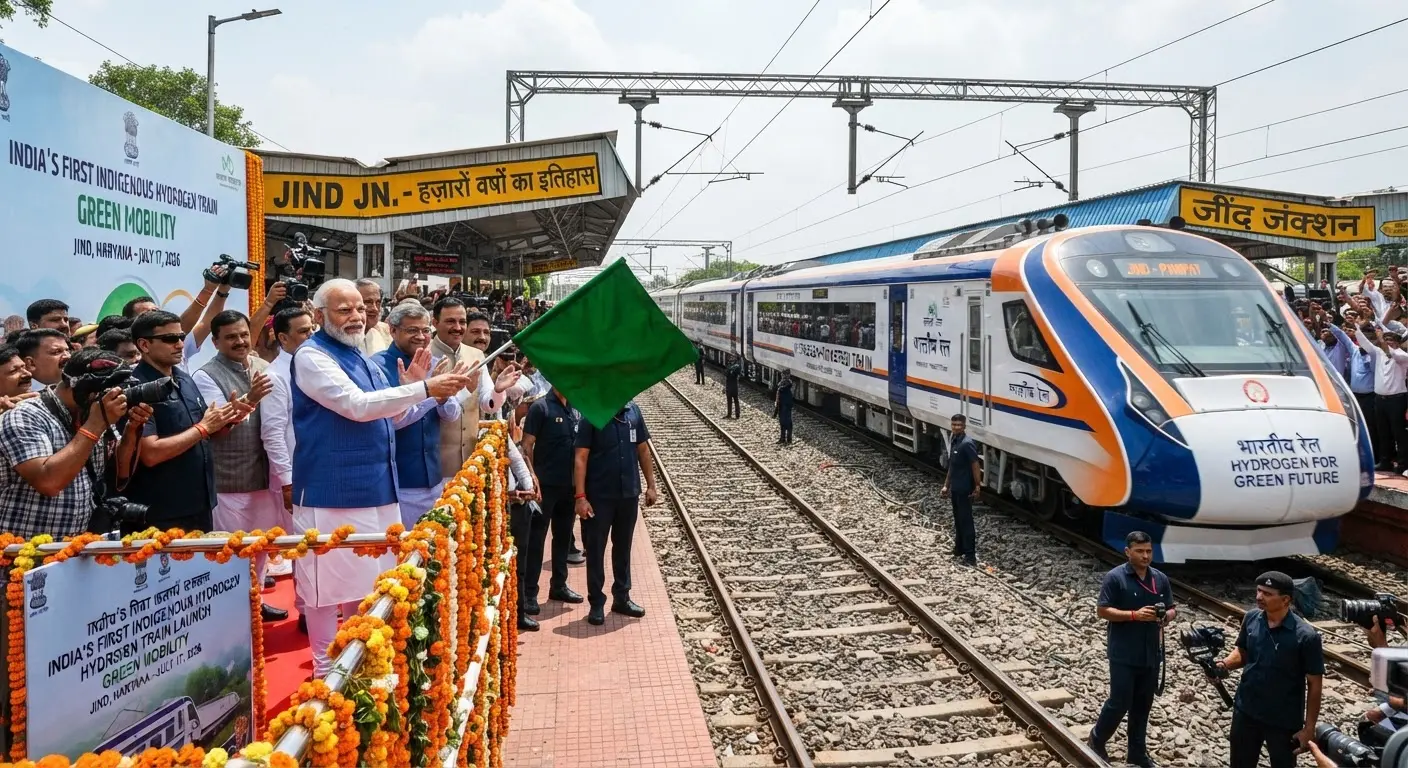

Indian Railways is set to usher in a new era of sustainable travel as it prepares to launch India’s first indigenous hydrogen-powered train on July 17, 2026. Prime Minister Narendra Modi is scheduled to flag off the inaugural service from Jind railway station in Haryana, marking a monumental shift toward clean, emission-free rail transportation. Unlike traditional trains, this innovative locomotive generates electricity using onboard hydrogen, effectively eliminating the need for diesel fuel or overhead electric lines.
- Launch Date: July 17, 2026
- Route: Jind–Sonipat section (89-90 km)
- Train Composition: 10 coaches (2 driving power cars and 8 passenger coaches)
- Capacity: 682 seated and 2,600 total passengers
- Speed: 120 kmph during trials with 75 km/hr operational speed
- Fare Range: ₹5 to ₹25
Engineering and Operational Excellence
Developed by the Integral Coach Factory (ICF) in Chennai, this state-of-the-art train features a hydrogen propulsion system capable of generating nearly 2,400 kilowatts. The train is designed for efficiency and environmental harmony, producing only water vapor and heat as by-products. During its run on the Jind–Sonipat route, the train will make 12 intermediate stops, completing the journey in approximately two hours.
A Milestone for Sustainable Mobility
The project received official clearance from the Railway Board on May 22, 2026, following rigorous safety trials conducted by the Research Designs and Standards Organisation (RDSO). While the July 17 event marks the inaugural run, Northern Railway is currently finalizing the schedule for regular passenger operations. To ensure a seamless transition and prioritize passenger safety, the train will be operated with trained technical personnel on board for the first three months.
This initiative is a cornerstone of the ‘Viksit Bharat’ and ‘Atmanirbhar Bharat’ visions, positioning Indian Railways as a global leader in green mobility. By replacing carbon-intensive fuel sources, the national transporter is taking a decisive step toward achieving its net-zero carbon emission goals, proving that the future of Indian rail travel is both modern and environmentally responsible.