







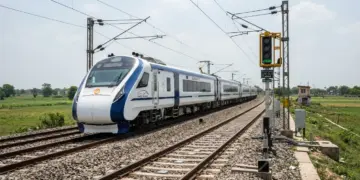



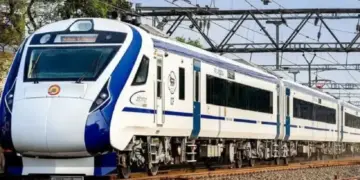





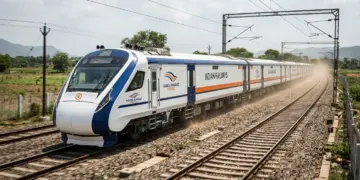






The Mumbai-Ahmedabad High-Speed Rail corridor is making significant strides, with the project now reporting **61% physical progress** as of July 29, 2026. This transformative infrastructure initiative, which aims to bridge India’s two major commercial hubs, has already seen a total expenditure of **Rs 90,966 crore**. As the project moves toward its maiden operational phase, it is setting a new benchmark for high-speed rail engineering and future connectivity across the nation.
Key project highlights include:
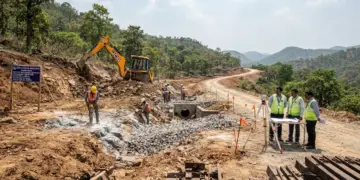
• Completion of 209 kilometers of track bed and 452 kilometers of pier work.
• Installation of 190 kilometers of overhead electric (OHE) masts and 356 kilometers of girders.
• Significant progress on the 21-kilometer undersea tunnel, with 4.8 kilometers already finished.
• Targeted start of operations for the initial section by August 15, 2027.
Engineering Milestones and Future Roadmap
The construction of the 508-kilometer corridor is moving at a steady pace. Beyond the standard tracks, the engineering feat of the undersea tunnel between Ghansoli and Shilphata remains a focal point. Meanwhile, the Bharuch Bullet Train Station is nearing completion, featuring a design that honors the city’s rich textile heritage while incorporating state-of-the-art passenger amenities.
Looking beyond this specific corridor, the Union Railway Minister Ashwini Vaishnaw confirmed that the National High Speed Rail Corporation Limited (NHSRCL) is preparing for the future. By collaborating with various IITs, the NHSRCL is creating a **standardized design library** for seven upcoming high-speed rail projects. This strategy aims to ensure that future corridors benefit from lower costs, faster execution, and simplified maintenance protocols.
Financial and Legal Considerations
While the project, primarily funded by the **Japan International Cooperation Agency (JICA)**, continues to advance, it is navigating complex legal terrain. NHSRCL has filed an appeal in the Gujarat High Court regarding additional land compensation orders. Estimates suggest that if the current compensation requirements are upheld, the project could face an additional financial burden of approximately **Rs 40,000 crore**. Despite these challenges, the project remains a cornerstone of India’s push toward modern, high-speed rail infrastructure, promising to reshape the travel experience for millions of passengers in the years ahead.