








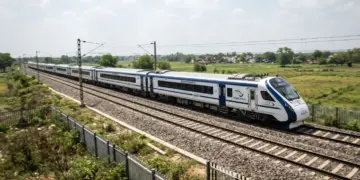
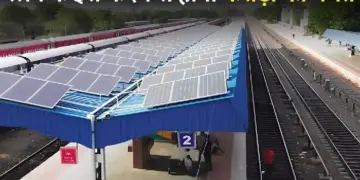



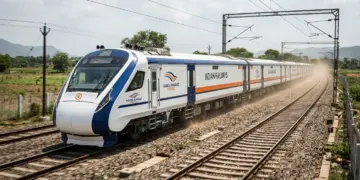



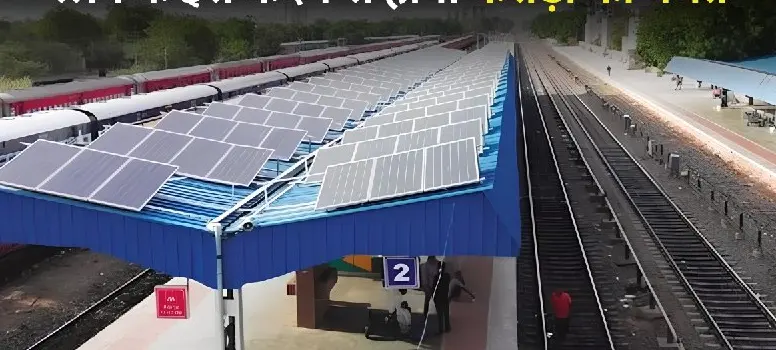

Indian Railways is making significant strides in its mission to become a net-zero carbon emitter by 2030, aggressively scaling up renewable energy across its vast network. By integrating solar technology into station infrastructure and passenger coaches, the national transporter is not only reducing its carbon footprint but also achieving substantial cost savings. Key highlights of this green transition include:
- Northern Railway has achieved a total solar capacity of 28.35 megawatts, saving 2.2 crore rupees in electricity costs.
- The Prayagraj Division launched India’s first solar-assisted passenger coach featuring 6.93-kilowatt solar panels.
- As of November 2025, solar energy is operational at 2,626 railway stations with an 898-megawatt capacity.
- India’s first hydrogen fuel cell train has successfully completed over 1,200 kilometers in trials, saving 3,200 liters of diesel.
Expanding Solar Infrastructure
Northern Railway has been at the forefront of this initiative. As of July 30, 2026, the zone added 2.2 megawatts of capacity in just two months, bringing its total grid-connected rooftop solar capacity to 28.35 megawatts. These installations generated 3.4 million units of clean energy, effectively mitigating 2,820 tons of CO2 emissions. Meanwhile, the North Central Railway’s Prayagraj Division marked a major milestone on July 29, 2026, by introducing a solar-assisted passenger coach. Equipped with 21 rooftop panels, this coach is expected to save 2.80 lakh rupees annually while cutting carbon emissions by 11 tons each year.
Towards a Sustainable Future
The Ministry of Railways is working toward 100% electrification by 2025-26, with ambitious plans to install 20 gigawatts of solar power by utilizing vacant railway land. Railway Board Chairman and CEO Satish Kumar has reiterated the organization’s firm commitment to environmental stewardship as part of the broader green energy roadmap.
Beyond solar power, Indian Railways is pioneering hydrogen technology. Following the launch of India’s first hydrogen train by Prime Minister Narendra Modi on July 17, 2026, the project has already demonstrated its potential by saving thousands of liters of diesel during its initial trial phase. These combined efforts in solar and hydrogen energy underscore the railway’s dedication to modernizing India’s transit sector while prioritizing ecological sustainability.