
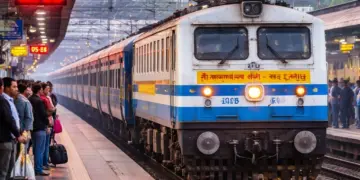
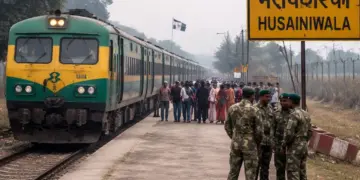
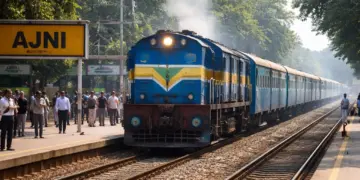









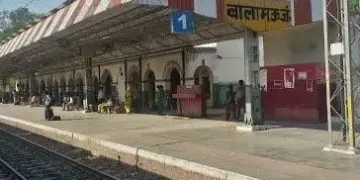




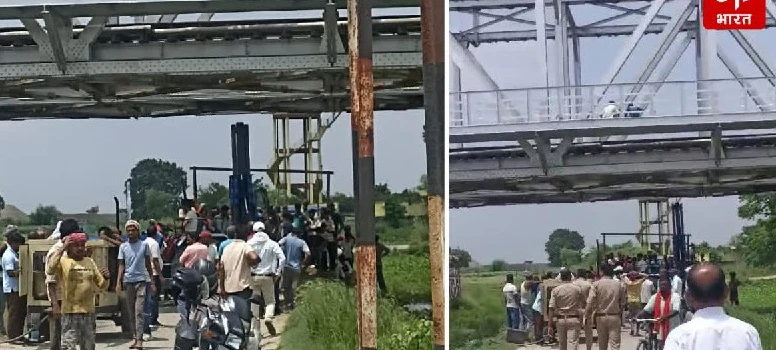

The Northeastern Railway has officially closed a critical pathway in Gorakhpur that served as a local transit route for over 25 years. This closure has directly impacted the daily commute for residents across approximately 20 villages, sparking local protests. The move is part of a larger safety drive initiated by the railway administration to prevent unauthorized access to tracks and bridge infrastructure.
Key updates regarding the closure include:
- The path had been in public use for over 25 years, primarily by two-wheeler riders and pedestrians.
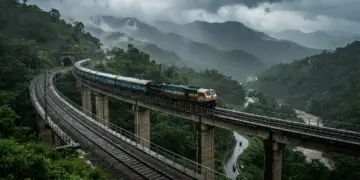
- The decision follows the July 15, 2026, sealing of service pathways on the Rapati, Kakra River, and Rohin River bridges.
- Residents from areas including Jharna Tola, Dargahiya, Gayatrinagar, Lalganj, and Unchwa are among those most affected.
- The action adheres to strict Railway Board guidelines aimed at enhancing track safety and security.
Safety Concerns Lead to Infrastructure Lockdown
Railway officials maintain that these pathways were originally designed exclusively for maintenance personnel and were never intended for public use. However, over the years, they evolved into unofficial shortcuts. By installing physical barriers, the administration aims to mitigate risks associated with unauthorized trespassing, which has become a significant safety concern for both the public and rail operations.
A Month of Infrastructure Upgrades in Gorakhpur
This development comes during a period of intense railway activity in the region. Throughout July 2026, the Northeastern Railway has been focused on major infrastructure upgrades. Notable projects include the pre-non-interlocking and non-interlocking work required for the new double rail line between Gorakhpur Cantt and Unaula stations, which led to significant train service disruptions. Additionally, the city has been navigating the 18-day closure of the Tarang Overbridge for essential maintenance, further complicating local mobility.
While the railway administration continues to prioritize safety and the modernization of rail corridors, the local community remains concerned about the lack of alternative transit routes. For now, the administration has held firm on the closures, citing the necessity of compliance with national safety standards to prevent accidents on busy rail lines.