

























Indian Railways has officially implemented a significant hike in penalties for passengers caught travelling in reserved Sleeper or AC coaches while holding only a general ticket. These revised regulations, which took effect nationwide around June 20, 2026, are part of the broader Jan Vishwas (Amendment of Provisions) Bill, 2026. The move is designed to curb overcrowding, ensure a smoother experience for reserved passengers, and streamline train operations across the network.
- Penalty for Sleeper Coach: Flat penalty increased to ₹500, plus the difference in fare.
- Penalty for AC Coach: Includes the fare difference plus a ₹500 penalty as per Section 138 of the Railways Act.
- Automatic Hikes: The Jan Vishwas law mandates an automatic 10% increase in these penalties every three years.
- Waiting List Rule: Since May 1, 2025, passengers with waitlisted tickets are strictly prohibited from boarding reserved coaches.
Understanding the New Penalty Structure
Under the updated rules, general tickets (marked as UR or GEN) are strictly valid only for unreserved coaches. If a passenger is found travelling in a reserved compartment without the appropriate ticket, they will face a minimum penalty of ₹500. This is a direct doubling of the previous ₹250 fine. In addition to this penalty, the passenger is required to pay the applicable fare difference for the class they are occupying.
TTE Discretion and Emergency Upgrades
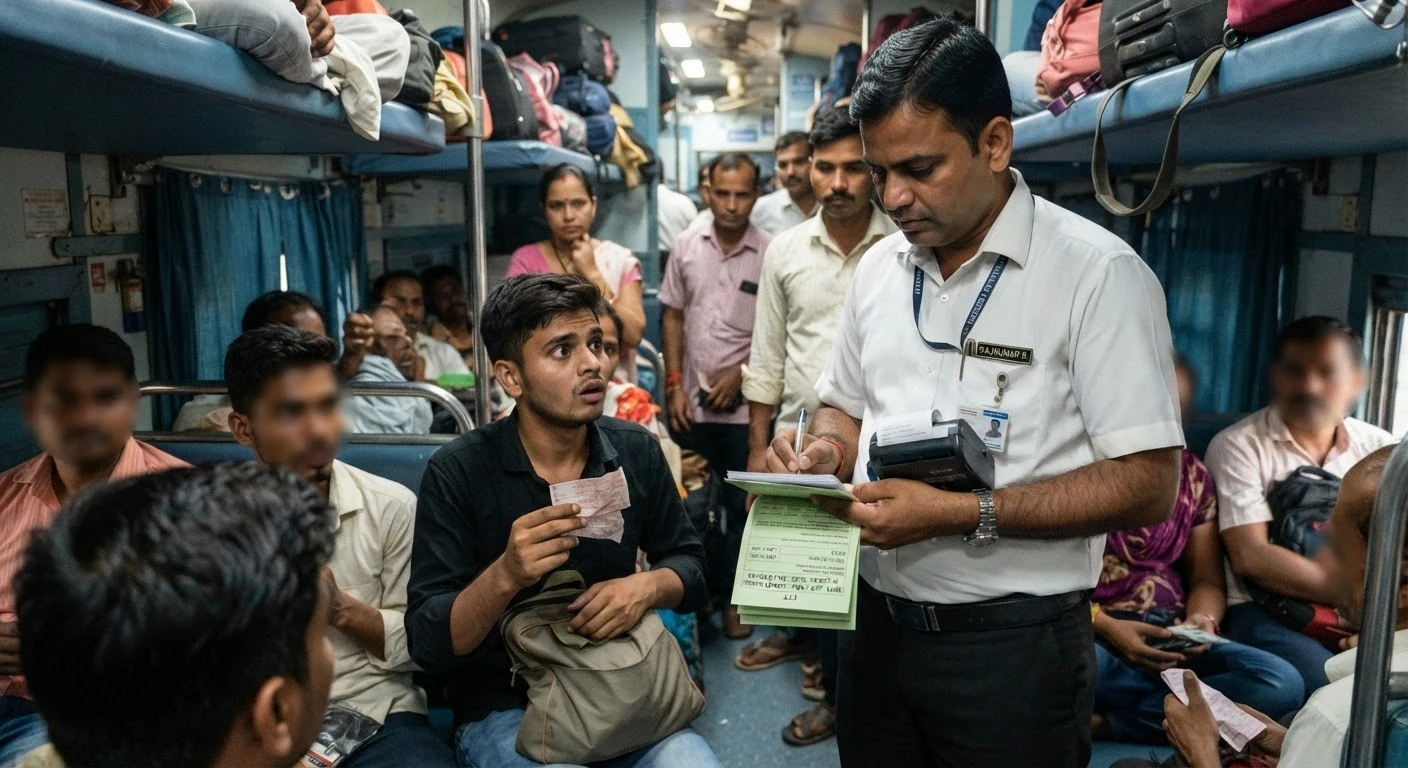
While the rules are strict, the role of the Traveling Ticket Examiner (TTE) remains central to passenger management. If a general ticket holder boards a reserved coach due to an emergency, they are advised to contact the TTE immediately. If vacant berths are available, the TTE has the authority to officially allocate a seat. In such instances, the passenger will be charged the fare difference from their boarding point along with the ₹500 penalty.
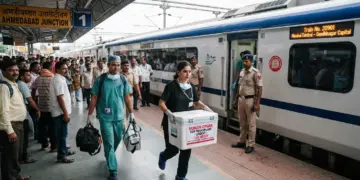
To ensure transparency and efficiency, TTEs are now utilizing Hand-Held Terminals (HHTs) to verify ticket status and manage the allocation of vacant berths in real-time. Passengers are urged to adhere to these guidelines to avoid heavy fines and ensure a comfortable journey for all travellers on board.