
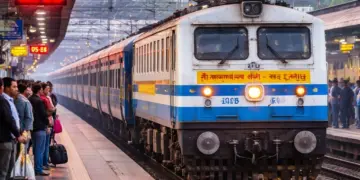






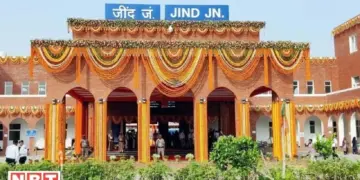




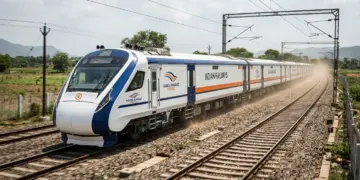
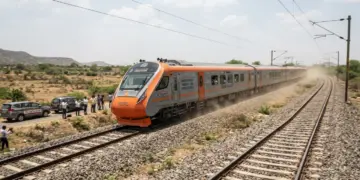



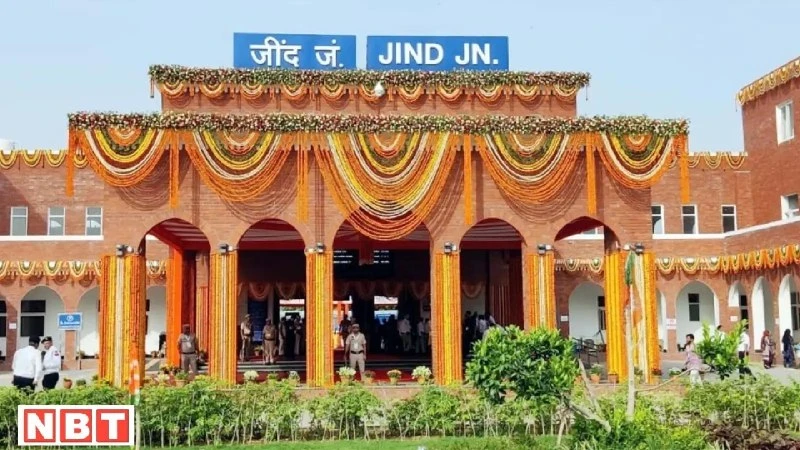

In a major boost to regional connectivity, the Northern Railway zone has officially extended the daily passenger train service between Ludhiana and Jakhal to reach Jind in Haryana. This strategic move eliminates the need for passengers to switch trains at Jakhal, offering a direct and seamless travel experience for thousands of daily commuters, students, and traders traveling between Punjab and Haryana.
- Train Extension: The service now runs directly between Ludhiana and Jind.
- Train Numbers: The service will operate as Train No. 54054 (Ludhiana to Jind) and Train No. 54053 (Jind to Ludhiana).
- Distance Covered: The total journey distance has been increased from 128 kilometers to 200 kilometers.
- Expanded Access: All stations between Jakhal and Jind now have commercial stoppages to benefit local towns and villages.
Enhanced Connectivity for Punjab and Haryana
The Ministry of Railways confirmed that this extension is designed to ease the burden on regular travelers who previously faced connectivity gaps at Jakhal. By providing a direct link, the Railways aims to streamline movement for office-goers and the business community, ensuring that the transit from Punjab into the heart of Haryana is both efficient and cost-effective.
This development comes as a welcome relief to the residents of Jind, who have seen significant railway infrastructure improvements recently. Notably, this announcement follows the historic launch of India’s first hydrogen train on the Jind-Sonipat route on July 17, 2026. These back-to-back initiatives underscore the commitment of Indian Railways to strengthening the public transportation network in the region.
For passengers, this change means no more waiting for connecting trains at Jakhal station. The extended route ensures that travelers can now complete their journey on a single train, significantly saving time and reducing the stress of changing platforms with luggage. Indian Railways continues to prioritize such extensions to ensure that even the smaller towns along the route benefit from improved rail infrastructure and accessibility.