
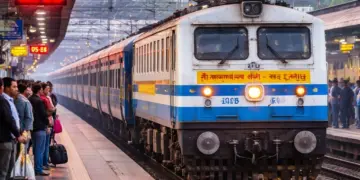

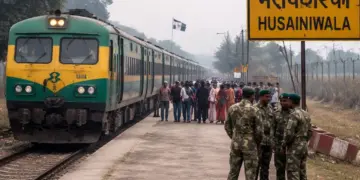
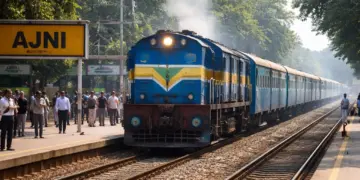












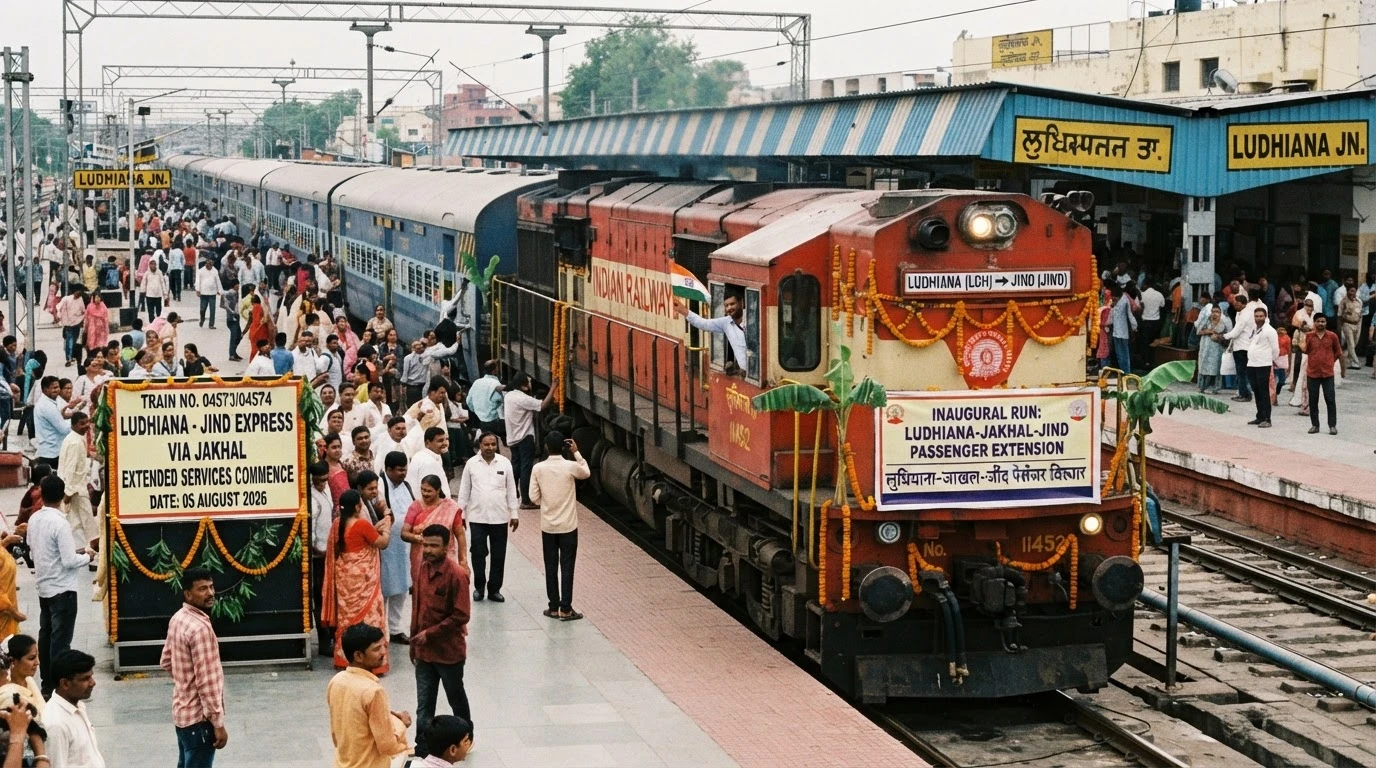

In a major move to bolster regional rail connectivity, Indian Railways has officially extended the daily passenger train service between Ludhiana and Jakhal up to Jind. Announced in early August 2026, this strategic infrastructure update aims to provide seamless travel for thousands of commuters, including students, office-goers, and traders traveling between Punjab and Haryana. By eliminating the previous requirement to switch trains at Jakhal, the national transporter is significantly simplifying daily commutes for residents in key towns.
- Route Extension: The service now covers a total distance of 200 kilometers, up from the previous 128 kilometers.
- New Train Numbers: The service will operate as train number 54054 (Ludhiana to Jind) and train number 54053 (Jind to Ludhiana).
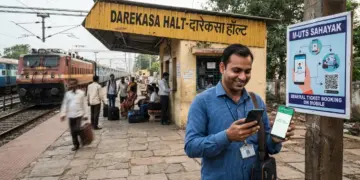
- Enhanced Stoppages: Commercial stoppages have been introduced at all stations between Jakhal and Jind, including Tohana and Narwana.
- Objective: To provide direct, uninterrupted rail connectivity and reduce travel time for passengers across the two states.
A Seamless Commute for Regional Travelers
The decision to extend this route is part of a broader initiative by the Ministry of Railways to prioritize demand-based operational improvements. For passengers residing in the towns and villages located along the Jakhal-Jind stretch, this change addresses a long-standing demand for direct connectivity to Ludhiana. By integrating these smaller stations into the main line, the Railways is ensuring that regional hubs are no longer isolated, facilitating easier access to larger commercial centers.
This extension is expected to benefit thousands of daily passengers who previously faced the inconvenience of changing trains at Jakhal. With the new schedule in place, travelers can now enjoy a single-seat journey, making the commute more reliable and convenient. The move underscores the commitment of the Indian Railways to strengthen passenger services by optimizing existing routes and infrastructure to meet the evolving needs of the public. As the network continues to expand, such initiatives play a vital role in bridging the gap between smaller towns and major urban transit hubs.