
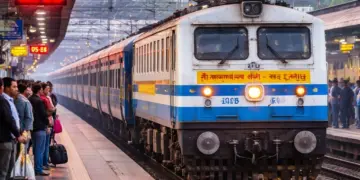
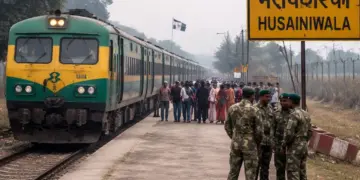
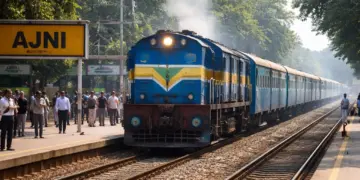

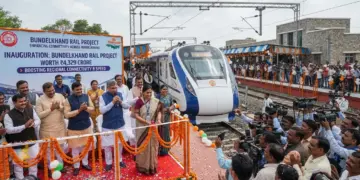
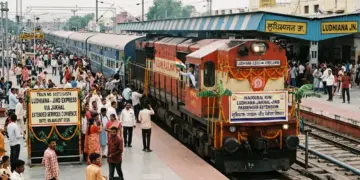
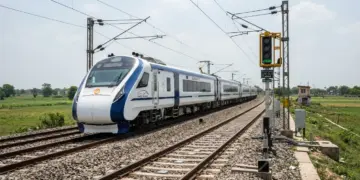


Indian Railways has unveiled a comprehensive traffic regulation plan affecting the East Central Railway (ECR) zone as it prepares for the commissioning of a new double-line rail bridge over the Ganga River near Mokama, Bihar. Passengers traveling through this region between September 19 and October 4, 2026, should brace for significant service adjustments as the network undergoes critical infrastructure upgrades.
- Total impacted trains: 845
- Cancellations: 338
- Diversions: 384
- Short-terminations: 56
- Short-originations: 67
Infrastructure Upgrade and Non-Interlocking Work
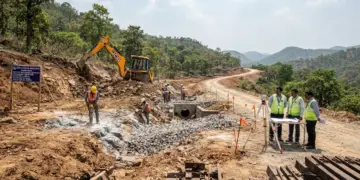
The core of this disruption stems from extensive Non-Interlocking (NI) work, which is essential to integrate the newly constructed bridge with the existing rail network. The engineering operations are scheduled to take place from September 21 to October 4, 2026. During this window, technical teams will work to connect the new structure with key junctions, including Upper Hathidah, Tal, Rampur Dumra, Dinkar Gram Simaria, and Barauni Junction.
Saraswati Chandra, Chief Public Relations Officer (CPRO) of East Central Railway, confirmed that while the work will cause temporary inconvenience, the railway is actively utilizing alternative routes to maintain connectivity. The primary objective of this project is to significantly boost capacity on the high-traffic Delhi-Howrah rail corridor, which is vital for both passenger and freight movement across the country.
Project Background and Passenger Advisory
The new double-line rail bridge, situated just 50 meters away from the historic Rajendra Bridge, represents a major development milestone. The project was initially approved in the 2015-16 Rail Budget with an estimated cost of Rs 1,491.47 crore, with Prime Minister Narendra Modi laying the foundation stone on March 12, 2015. Once fully operational, the bridge is expected to drastically improve operational efficiency and reduce congestion on this critical route.
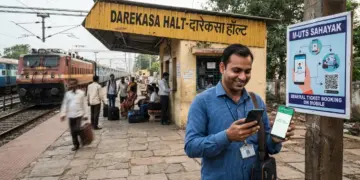
Given the scale of the service changes, passengers are strongly advised to verify the status of their specific trains before heading to the station. Travelers can check for updated routes and timings via the official railway inquiry counters, the 139 helpline, or the official IRCTC and Indian Railways web portals to avoid last-minute hassles during this period.