







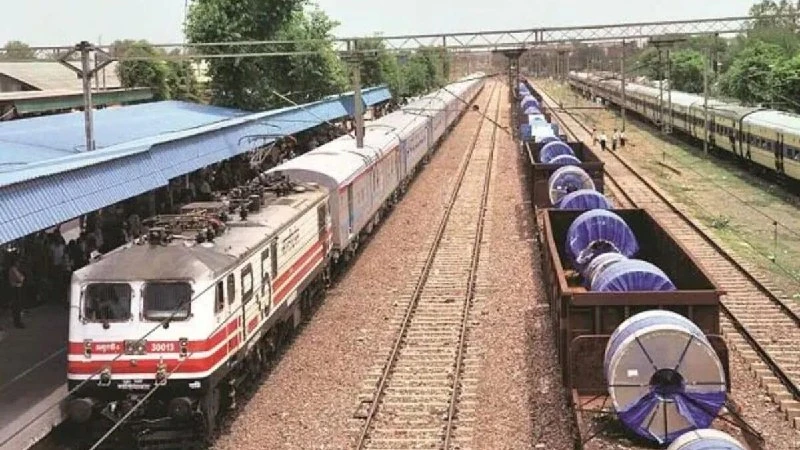

In a major policy overhaul aimed at streamlining freight operations, Indian Railways has officially introduced a unified, all-India license for Container Train Operators (CTOs) effective August 5, 2026. This reform is designed to eliminate the fragmented licensing system of the past, simplify logistics for private players, and ultimately lower the cost of goods for end consumers. By reducing bureaucratic hurdles and entry barriers, the Ministry of Railways expects a significant shift in cargo transport from road to rail, supporting the nation’s goal of becoming a global logistics hub.
- Unified Licensing: Operators can now run container trains on all routes nationwide under a single license.
- Fee Structure: A uniform, non-refundable registration fee of ₹25 crore has been set for a 20-year validity period.
- Future Extensions: Licenses can be extended for an additional 20 years based on performance with no further renewal fees.
- Cost Impact: The move aims to reduce logistics costs, potentially lowering prices for daily commodities like food grains, electronics, and fertilizers.
Transitioning to the New Regime
Existing Category I license holders are permitted to continue under their current agreements until expiration, with no additional fees required for renewal under the new system. For operators currently holding Category II, III, and IV licenses, the transition is equally straightforward. Once their existing concession period concludes, these operators can opt for the new license by paying a differential fee of ₹15 crore, which covers the gap between the original ₹10 crore investment and the new ₹25 crore requirement.
Boosting Logistics Efficiency
Railways Minister Ashwini Vaishnaw emphasized that this initiative is a critical step toward fostering healthy competition and encouraging private investment in the railway sector. By simplifying the regulatory landscape, Indian Railways aims to accelerate the containerization of various essential commodities, including fly ash, fertilizers, food grains, flour, and pulses. This shift is expected to improve the safety of goods during transit and increase the overall speed of cargo movement across the country. Through this strategic reform, the government is reinforcing its commitment to enhancing logistics efficiency and ensuring that the railway network remains the preferred mode of transport for bulk goods in India.