





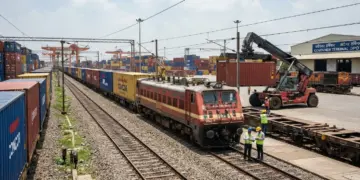
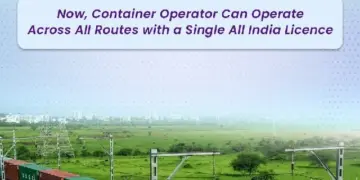
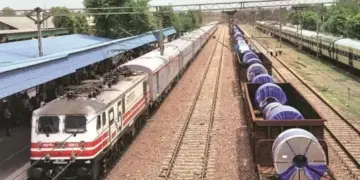




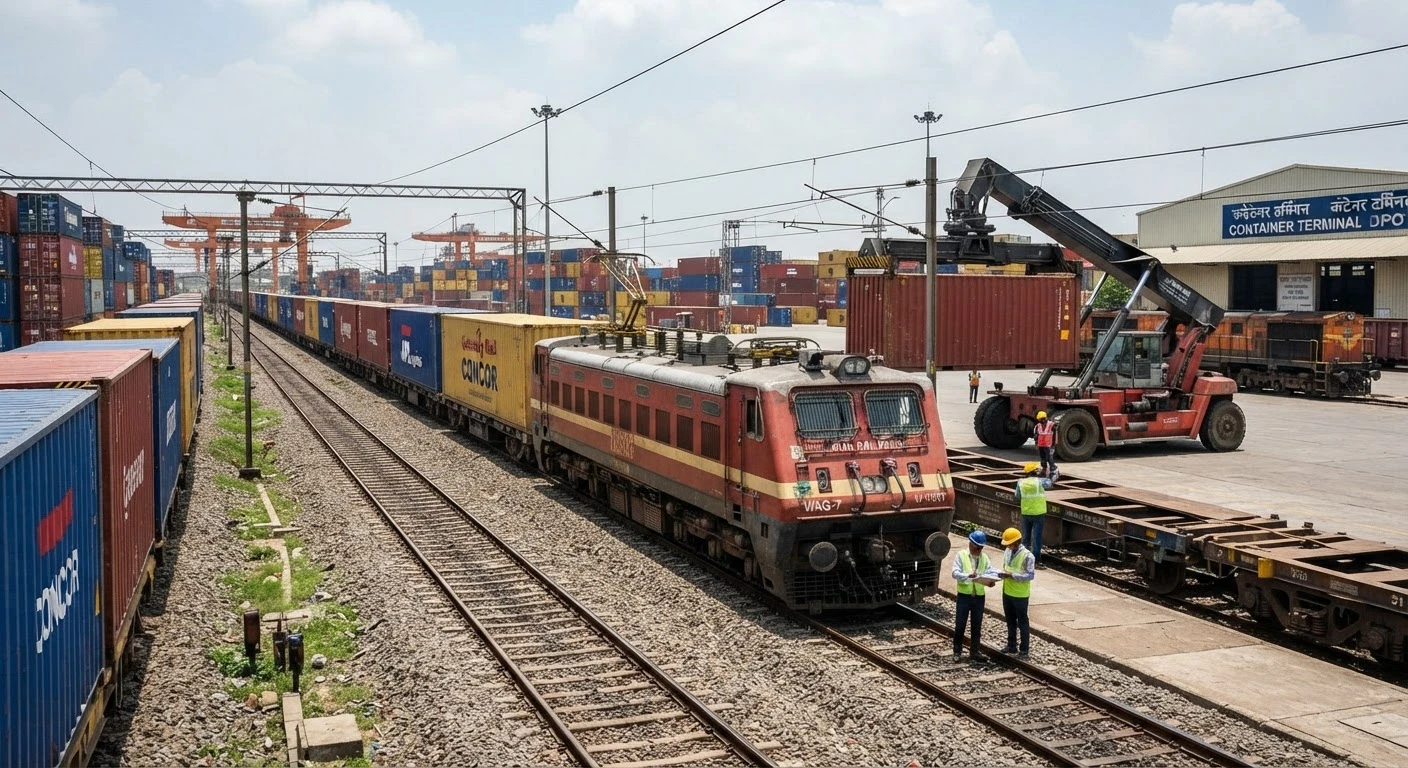

In a major push to modernize India’s freight infrastructure, the Indian Railways has unveiled a simplified licensing framework for Container Train Operators (CTOs). This move is set to streamline operations by allowing operators to run container trains across the entire national network under a single All India license, replacing previous regional complexities. By fostering a more competitive and efficient logistics environment, the Railways aims to lower transportation costs while simultaneously reducing carbon emissions and road congestion.
- All India license: Operators can now run container trains on any route across the Indian Railways network.
- Uniform fee structure: A fixed registration fee of ₹25 Crore has been introduced for CTOs.
- No renewal costs: The Railways has abolished renewal fees for license extensions to improve ease of doing business.
- Economic impact: These reforms are designed to support MSMEs by providing more reliable and cost-effective freight transport.
A Strategic Shift for Freight Logistics
The transition to a unified licensing system marks a significant milestone in the Railways’ efforts to optimize freight services. By removing the burden of recurring renewal fees, the administration is creating a more predictable financial landscape for logistics companies. This policy shift is expected to encourage more players to utilize rail transport, which is inherently more sustainable than long-haul road freight.
The initiative is particularly focused on supporting Micro, Small, and Medium Enterprises (MSMEs). By lowering the barriers to entry and simplifying the regulatory framework, the Indian Railways aims to make rail freight the preferred choice for businesses across the country. This enhancement in logistics efficiency is a core component of the national strategy to drive down the cost of doing business in India.
By prioritizing the modernization of freight operations, Indian Railways continues to demonstrate its commitment to becoming a more agile and customer-centric organization. These changes are expected to have a long-term positive impact on the nation’s supply chain, ensuring that goods move faster and more affordably to every corner of the country.