









Indian Railways is significantly upgrading its catering standards to ensure passengers receive hygienic and high-quality meals during their journeys. Following a surge in passenger feedback, the national transporter has shifted toward a more transparent and tech-driven approach, integrating real-time monitoring and stricter accountability for catering service providers.
Key updates regarding railway catering improvements include:
• 19,427 complaints regarding food quality were recorded between FY 2021 and 2025.
• ₹5.13 crore in total penalties has been imposed on service providers over the last three years.
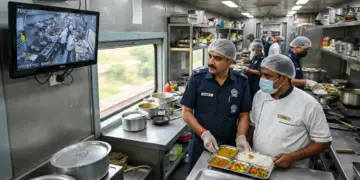
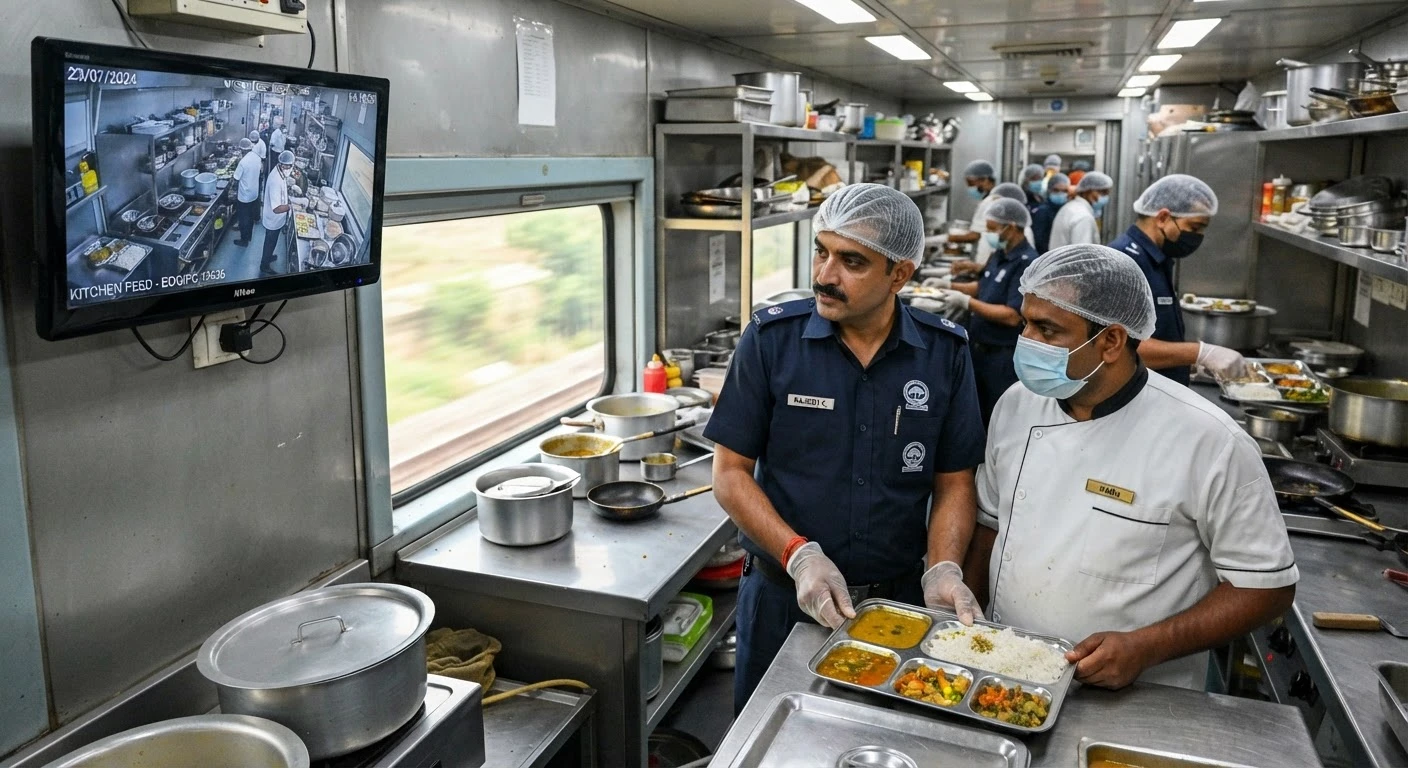
• Live streaming of base kitchens is now available via the IRCTC website for transparency.
• CCTV cameras and food safety supervisors have been deployed for real-time quality control.
• Nationwide crackdown on unauthorized e-catering operators to ensure passenger safety.
Enhanced Monitoring and Accountability
To address the 6,645 complaints received in FY 2024-25 alone, the Ministry of Railways has taken a firm stance against substandard service. Beyond the hefty financial penalties, authorities have issued 1,341 fines, 2,995 warnings, and 1,547 advisories to catering partners. The deployment of dedicated food safety supervisors ensures that surprise checks are conducted regularly, keeping contractors on their toes regarding hygiene standards in pantry cars.
Technology-Driven Transparency
Indian Railways is leveraging technology to regain passenger trust. By installing CCTV cameras in base kitchens, the IRCTC now allows travelers to view the food preparation and packaging process directly through its official website. Furthermore, passengers on premium trains will soon be equipped with tablets to provide instant digital feedback, ensuring that the authorities can act on grievances in real time.
Menu Customization and Operational Shifts
Catering services have evolved to include diverse dietary needs. Passengers can now opt for diabetic-friendly, millet-based, regional, and baby food options. In response to global supply chain challenges, the railways have also advised catering partners to transition from LPG-based cooking to induction cooktops. This move, combined with a robust stock of ready-to-eat meals, ensures that food service remains uninterrupted even during logistical disruptions. These measures reflect a concerted effort by the IRCTC to modernize the dining experience for millions of daily rail commuters.