

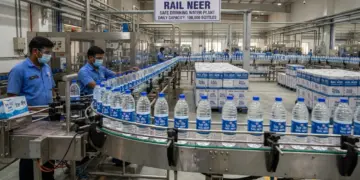
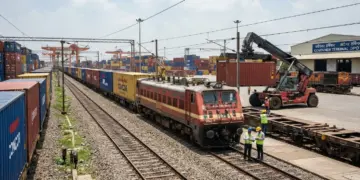
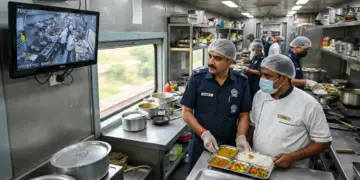
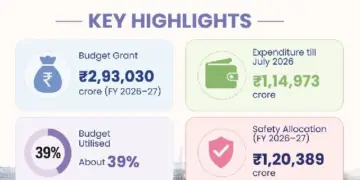
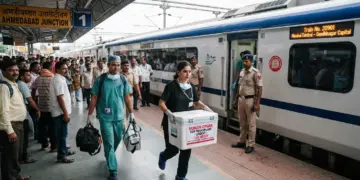


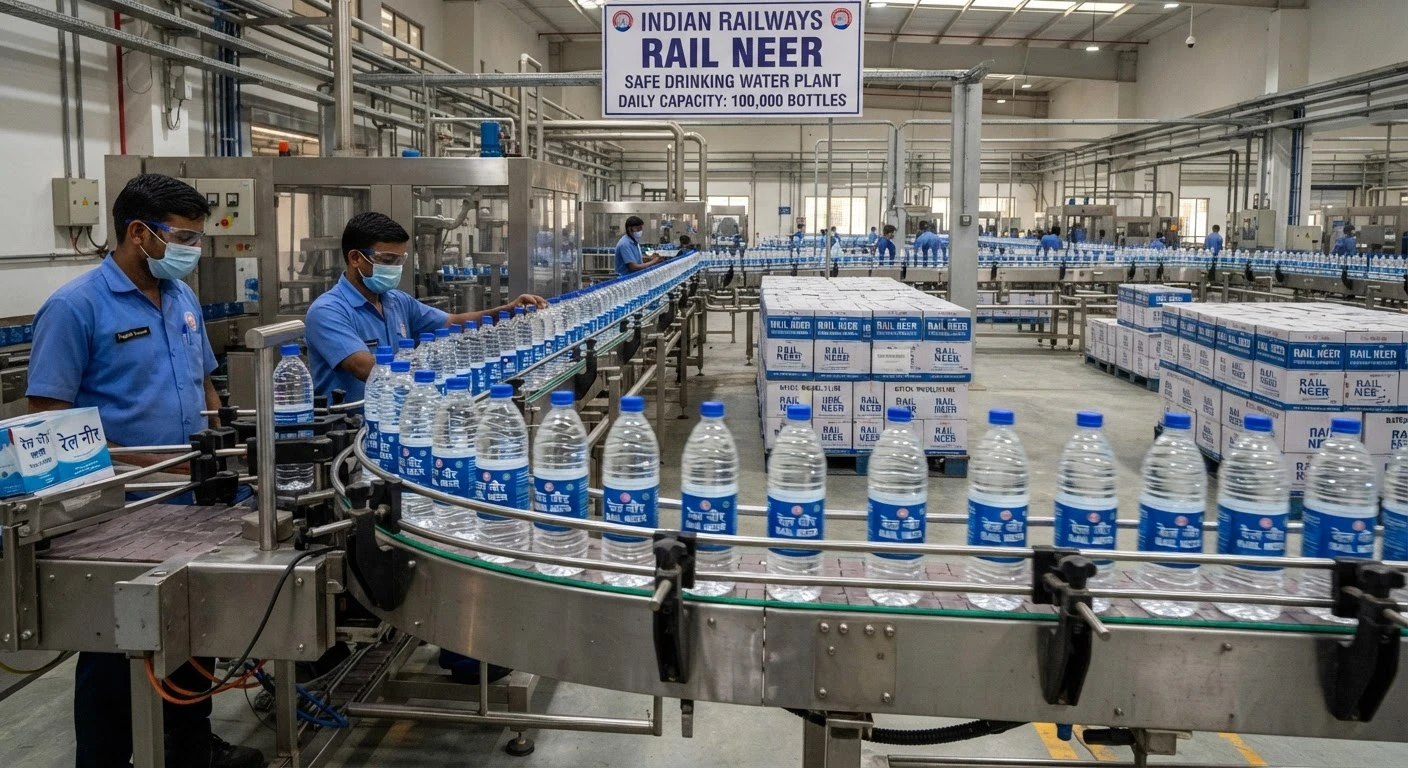

Indian Railways continues to prioritize passenger health and convenience by maintaining a robust network of 19 Rail Neer plants across the country. These facilities are instrumental in ensuring that travelers have access to safe, affordable, and high-quality packaged drinking water both on board trains and at railway stations. The scale of this operation is massive, with each plant capable of producing 100,000 bottles daily, resulting in a collective output of millions of units to meet the high demand of the rail network.
- 19 operational plants strategically distributed across India.
- Each facility produces 100,000 bottles per day.
- IRCTC is the sole authorized supplier for the railway network.
- Setting up a new plant costs approximately ₹10 crore under the PPP model.
Expanding the Infrastructure
As a ‘Mini Ratna’ public sector enterprise, the IRCTC is tasked with the production and distribution of Rail Neer. To keep up with the ever-growing passenger traffic, the organization evaluates the feasibility of establishing new plants based on regional demand. The current model for setting up a new facility involves a Public-Private Partnership (PPP) framework. The estimated capital investment of ₹10 crore covers the construction of pre-engineered buildings and the installation of advanced machinery, excluding the cost of land acquisition.
Strategic Locations Across India
The 19 plants are spread across the nation to ensure efficient supply chain logistics. The locations include Nangloi (Delhi), Danapur (Bihar), Ambernath, Nagpur, and Bhusawal (Maharashtra), Palur (Tamil Nadu), Maneri and Mandideep (Madhya Pradesh), Amethi and Hapur (Uttar Pradesh), Una (Himachal Pradesh), Jagiroad (Assam), Sankrail (West Bengal), Kota (Rajasthan), Sanand (Gujarat), Bhubaneswar (Odisha), Bilaspur (Chhattisgarh), and Simhadri and Vijayawada (Andhra Pradesh).
While states like Maharashtra lead the infrastructure with three dedicated plants, other states like Madhya Pradesh, Uttar Pradesh, and Andhra Pradesh host two each. Regarding regions without a facility, such as Jharkhand, officials noted that no specific demand has been received from the state government to establish a new plant at this time. This update was officially shared by Union Minister Ashwini Vaishnaw in a written response in the Lok Sabha on August 5, 2026, reaffirming the government’s commitment to maintaining safe water standards for all rail commuters.