


















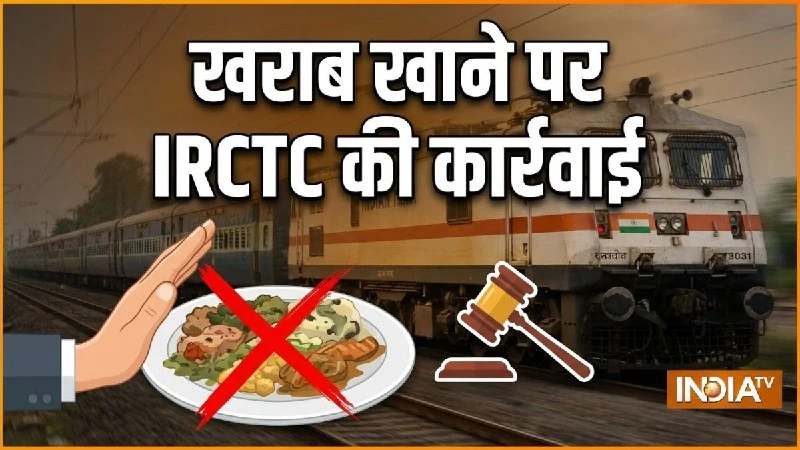

Indian Railways and the IRCTC have intensified their efforts to ensure passenger safety and hygiene by implementing strict enforcement measures against catering service providers. Over the past three years, authorities have taken decisive action against vendors failing to meet food quality standards, aiming to enhance the overall dining experience for millions of rail commuters across the country.
Key actions taken by Indian Railways include:
- ₹5.13 crore in total fines imposed on catering service providers for hygiene violations.
- 54 show-cause notices issued to vendors and six catering contracts terminated.
- Expansion of AI-based monitoring to over 800 kitchens using 2,394 cameras.
- Implementation of mandatory QR codes on meal packets for better transparency.
- Deployment of Food Safety Supervisors at all base kitchens.
Strict Enforcement and Accountability
Recent incidents highlight the railway’s commitment to quality. Following a passenger complaint regarding the Patna-Tatanagar Vande Bharat Express, the Railway Board imposed a ₹10 lakh fine on IRCTC, while the specific catering contractor involved faced a ₹50 lakh penalty and immediate contract termination. These measures serve as a stern warning to licensees who compromise on food safety.
Technology-Driven Quality Control
To move beyond manual inspections, Indian Railways has integrated advanced technology into its catering operations. By utilizing AI-powered surveillance, the system can now detect nine distinct types of hygiene violations in real-time. Furthermore, the mandatory use of FSSAI-compliant QR codes on meal packets allows passengers to verify packing dates and license details instantly.
Addressing Unauthorized Vending
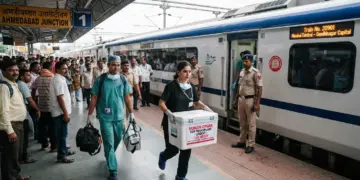
Beyond established contracts, the ministry is actively curbing unauthorized vending. All authorized vendors are now required to carry QR code-enabled identity cards, making it easier for passengers to identify legitimate staff. The ministry noted that while Indian Railways serves approximately 58 crore meals annually, the frequency of quality-related complaints remains remarkably low at roughly 0.0008% of total meals served. These ongoing initiatives reflect a broader commitment to maintaining high standards of food hygiene across the vast railway network.