


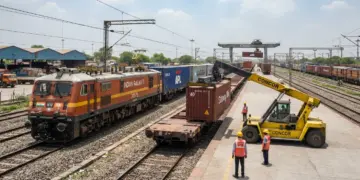
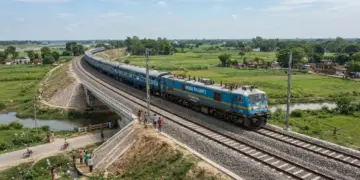
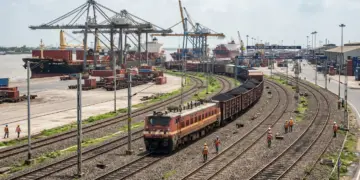

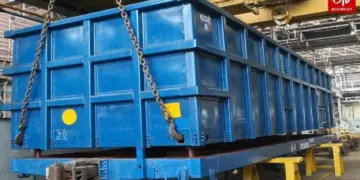



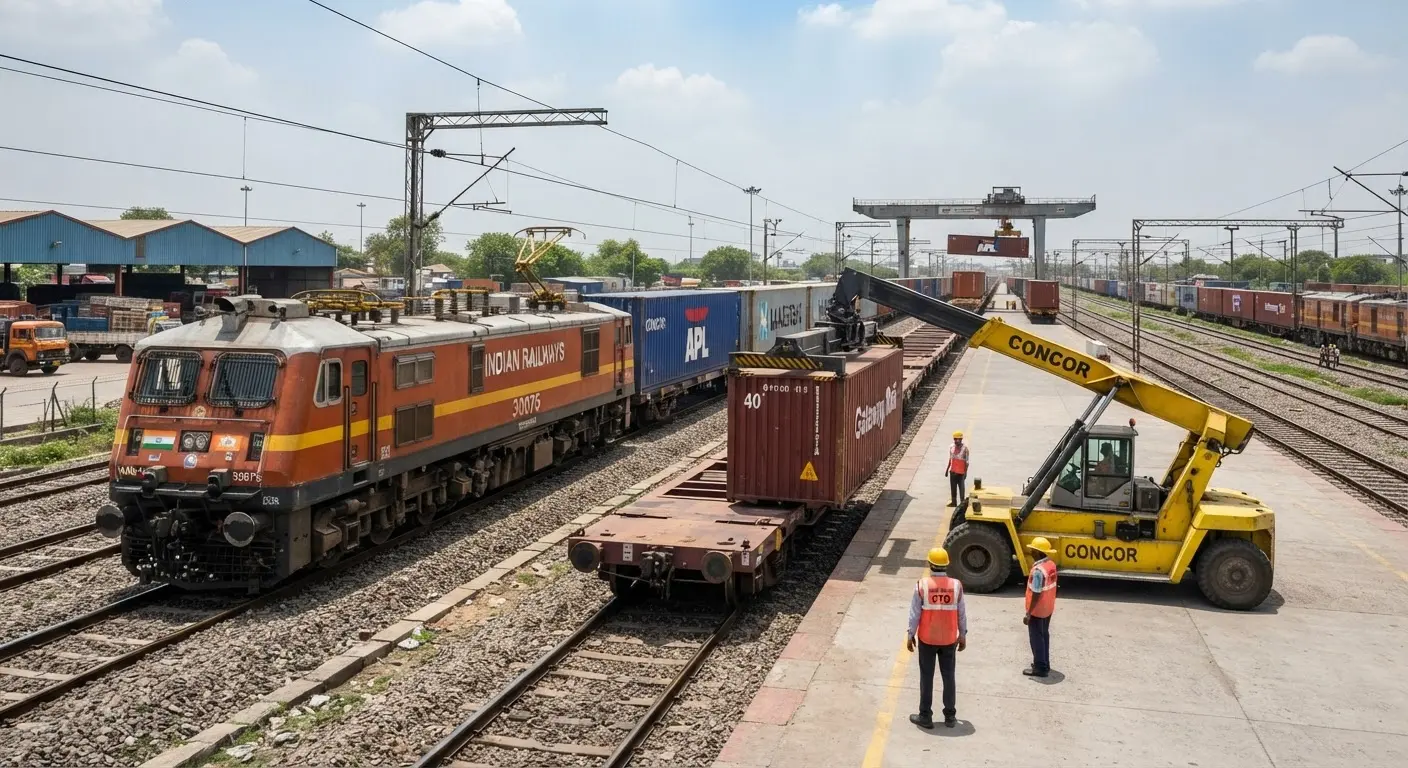

The Ministry of Railways has officially rolled out a transformative policy to streamline freight logistics across the country. In a major move to simplify operations for Container Train Operators (CTOs), the government has replaced the existing route-wise licensing system with a unified “All India License.” This policy update, approved on August 6, 2026, aims to cut through bureaucratic red tape and boost the efficiency of containerized cargo movement on the rail network.
Key highlights of the new policy include:
- Introduction of a single All India License for all container train operators.
- A uniform, non-refundable registration fee of ₹25 crore for all new applicants.
- A 20-year concession period with the option for a 20-year extension at no additional cost.
- Flexible migration options for existing operators currently working under different category structures.
Simplifying Operations and Boosting Participation
This reform is a core component of the Ministry’s broader “Reform 11” initiative, which was highlighted by Union Railway Minister Ashwini Vaishnaw on July 14, 2026. By moving away from the previous fee structure—which saw costs fluctuate between ₹10 crore and ₹50 crore—the Railways is creating a more predictable environment for private players. Currently, there are 22 CTOs operating within the Indian Railways network, and this simplified framework is expected to attract even more private participation.
Migration and Renewal Guidelines
For operators already in the business, the transition process is designed to be seamless. Existing Category I license holders can continue their operations under current agreements and will face no extra charges for renewals or extensions. Meanwhile, operators currently in Categories II, III, and IV have been given the choice to either complete their existing term or opt for an early migration to the new All-India license by paying a differential fee of ₹15 crore.
By reducing regulatory and compliance costs, the Ministry aims to shift more freight from road to rail. This shift is not only about business efficiency; it is a strategic step toward reducing national road congestion and lowering air pollution, ultimately fostering a more sustainable logistics ecosystem for India. These changes will be formally implemented following an upcoming Gazette notification.