

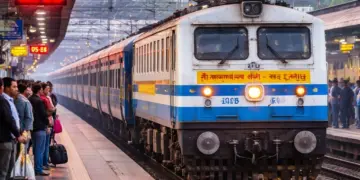




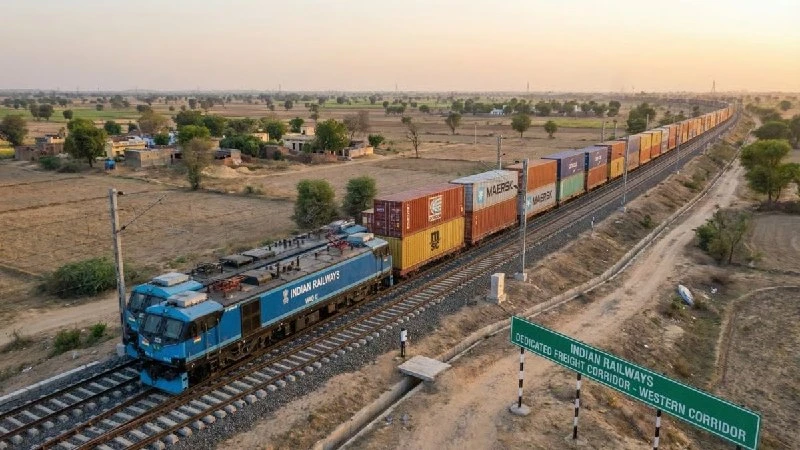

Indian Railways is gearing up for a significant transformation in its freight logistics following a series of strategic recommendations from parliamentary standing committees in August 2026. The focus is on diversifying cargo, enhancing infrastructure, and addressing operational bottlenecks to cement India’s position as a global leader in rail freight. Key highlights of these developments include:
- Development of zone-wise strategies for regions with low industrial activity.
- Call for an annual review of freight rates to remain competitive.
- Diversification of freight to include automobiles, e-commerce, and FMCG.
- Operational success of Eastern and Western Dedicated Freight Corridors (DFCs).
- Introduction of the high-speed Vande Bharat Freight EMU.
- Implementation of the ’52 Reforms in 52 Weeks’ initiative.
Strengthening the Freight Network
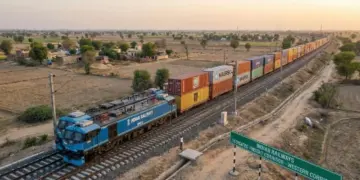
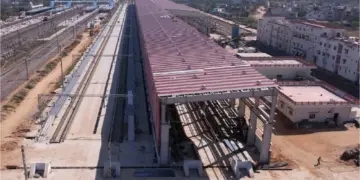
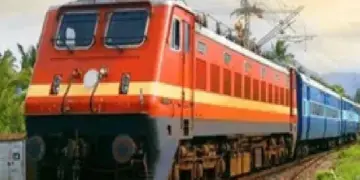
In its 9th report, the parliamentary committee stressed the need to strengthen feeder routes and improve the capacity of the Dedicated Freight Corridors (DFCs). These corridors are currently a major success story, handling an average of 443 trains daily. With India becoming the world’s second-largest rail freight carrier in FY 2024-25 by transporting 1.6 billion metric tons of goods, the DFCs are now managing over 10% of total freight traffic, leading to higher average speeds and reduced turnaround times.
Innovation and Modernization
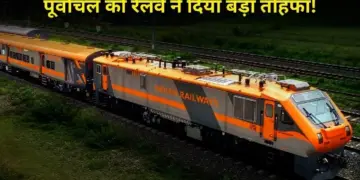
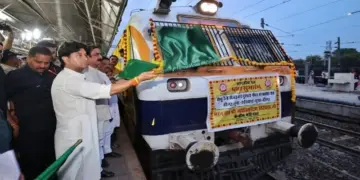
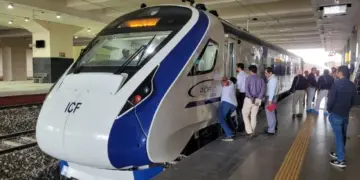
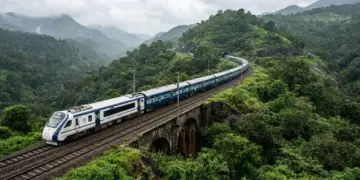
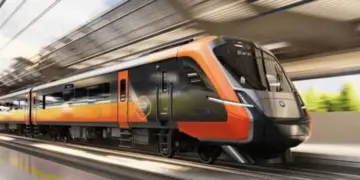
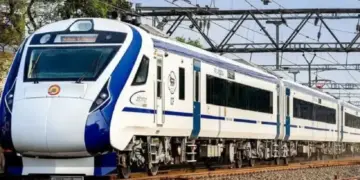
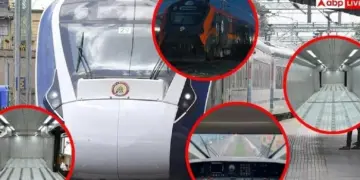
To move beyond traditional commodities like coal and iron ore, Railways is embracing modernization. A major milestone is the successful technical testing of the Vande Bharat Freight EMU in the Kota division. This superfast parcel train is designed to reach speeds of 120 km/h, a massive jump from the current 50-70 km/h average, and is expected to be operational within the next two months. This will significantly boost the delivery speed of perishables, medicines, and e-commerce goods.
Policy Reforms and Operational Challenges
Under the ’52 Reforms in 52 Weeks’ initiative launched on July 14, 2026, the Ministry is streamlining logistics through container-based transportation and the new ‘Rail Bhumi’ portal for land acquisition. Furthermore, cross-border connectivity was strengthened on July 29, 2026, with a direct container train from Kolkata Port to Biratnagar, Nepal.
However, the path forward includes addressing human resource challenges. Parliamentary panels have urged the Ministry to promptly address the shortage of loco crew to prevent movement delays. While the Ministry has taken steps to reduce paperwork for Assistant Loco Pilots (ALPs) to enhance safety, concerns regarding working hours and the ‘Crew Manual Entry’ system remain a subject of focus for the administration to ensure the long-term sustainability of these freight advancements.