


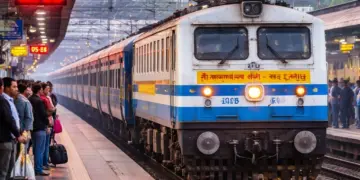


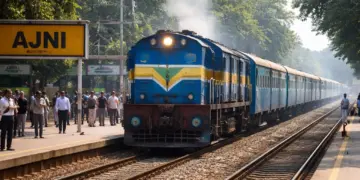






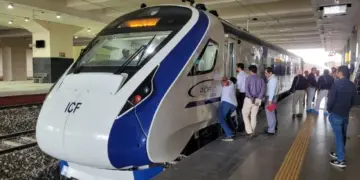



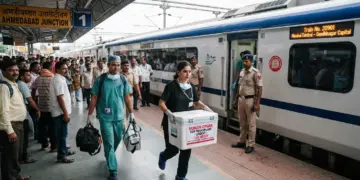


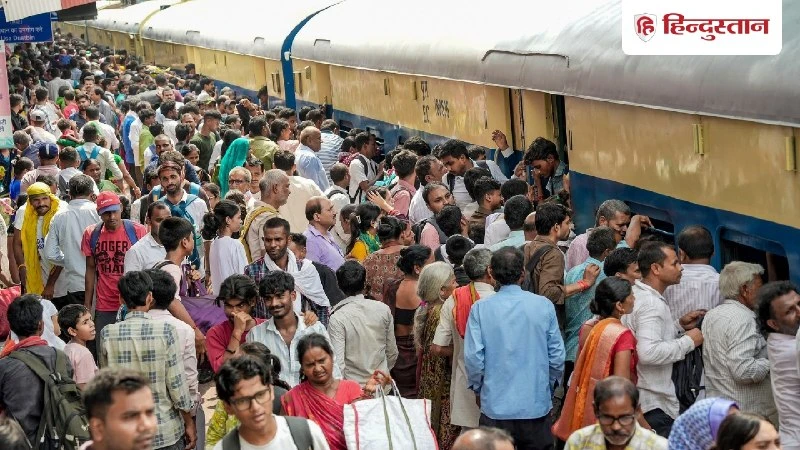

A recent audit by the Comptroller and Auditor General (CAG) of India has brought to light persistent challenges regarding hygiene standards on the national transporter. The report, titled “Cleanliness and Hygiene in Long-Distance Trains in Indian Railways” (Report No. 15, 2025), evaluates the period between 2018-19 and 2022-23 and highlights a significant gap between passenger expectations and the actual state of on-board facilities.
Key takeaways from the report include:
- Over 40% of passengers expressed dissatisfaction with the cleanliness of train toilets.
- More than 50% of passengers are unhappy with current on-board housekeeping services.
- Approximately 15% of passengers reported frequent issues with water availability in toilets and washbasins.
- The findings are based on a comprehensive survey of 2,426 passengers across 96 trains.
- In 2022-23 alone, over 100,000 complaints regarding water shortages were registered on the Rail Madad app.
Regional Disparities and Operational Hurdles
The report highlights a stark contrast in performance across different zones. While regions such as the East Coast, Western, and Eastern Railways recorded over 50% passenger dissatisfaction, the North and North Central Railways reported a much higher satisfaction rate of over 90%. Common grievances identified by travelers include foul-smelling toilets, water accumulation, clogged pipes, and unhygienic vestibules, particularly within sleeper class coaches. The CAG noted that existing initiatives like the “Clean Train Station (CTS)” and “On Board Housekeeping Service (OBHS)” have been largely hindered by persistent staff shortages and the underutilization of cleaning machinery.
Future Roadmap and Improvement Plans
In response to these findings, the Railway Board has instructed all zones to provide detailed feedback by July 13, 2026. To combat these issues, Indian Railways is rolling out a new strategy to be implemented by late 2026. This plan involves deploying quick cleaning teams every 3-4 stations, equipped with advanced battery-powered vacuum cleaners and high-pressure jet machines. The objective is to standardize the cleaning process so that each toilet can be serviced in approximately 56 seconds.
The CAG has strongly recommended that Indian Railways prioritize staff training, strengthen monitoring systems, and improve water refilling protocols at major stations. Additionally, there is a renewed focus on passenger awareness campaigns regarding the proper use of bio-toilets to maintain long-term hygiene standards across the network.