





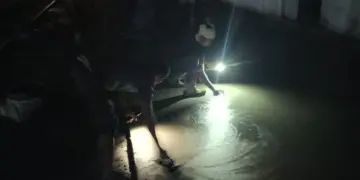



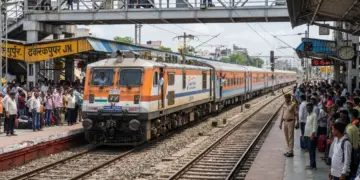




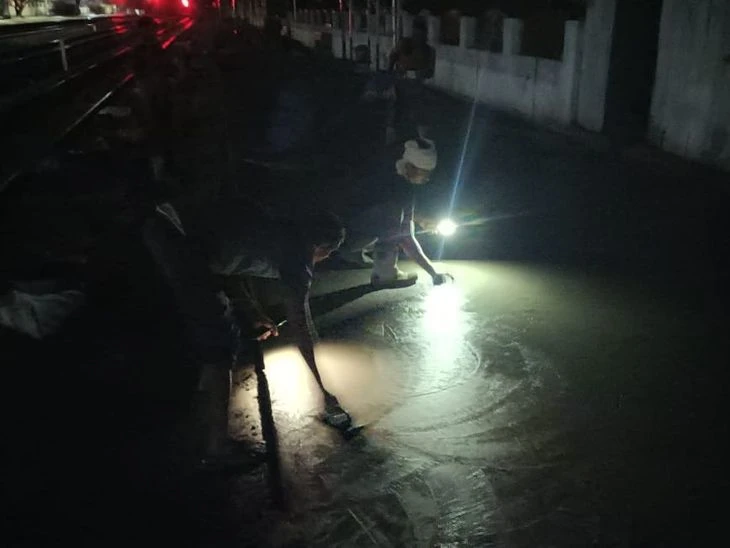

Local residents and frequent commuters at Palsana railway station in Rajasthan have voiced serious concerns regarding the ongoing platform elevation work. The primary complaint centers on allegations that construction activities were carried out during late-night hours with insufficient lighting, reportedly relying on mobile phone flashlights rather than industrial-grade illumination. This has sparked a debate over the structural integrity and safety standards of the project, which is part of the North Western Railway’s ongoing infrastructure upgrades within the Jaipur division.
Key takeaways regarding the situation at Palsana include:
* Alleged nighttime construction using mobile phone lights instead of proper site lighting.
* Concerns regarding structural integrity and adherence to safety norms.
* Strict guidelines mandated by the Research Design and Standards Organisation (RDSO).
* Potential penalties for contractors, including blacklisting, for failing to meet technical specifications.
Adherence to Safety and Quality Standards
Under the guidelines set by the Research Design and Standards Organisation (RDSO), all civil engineering projects within the Indian Railways network must follow rigorous quality assurance plans. Platform extensions and station renovations are critical infrastructure tasks that require constant supervision to ensure they meet the durability standards necessary for long-term passenger safety. The use of improper lighting during construction raises valid questions about whether the mixing of materials and the curing process were monitored correctly to meet these official safety standards.
Accountability under Amrit Bharat Station Scheme
As stations across the country undergo transformation under the Amrit Bharat Station Scheme, the incident at Palsana serves as a reminder of the challenges in monitoring decentralized infrastructure upgrades. The Indian Railways Construction Manual explicitly prioritizes passenger safety and the longevity of station assets. Authorities are now expected to conduct a formal review of these claims to determine if the contractor deviated from established technical protocols. If investigations confirm that the work was performed in a substandard manner, the department is empowered to impose severe penalties on the responsible agency to maintain the high quality expected in national rail infrastructure projects.