







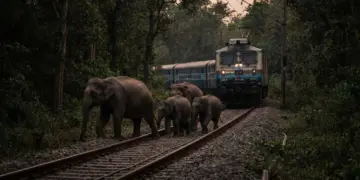
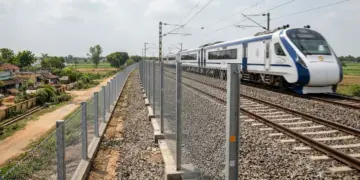


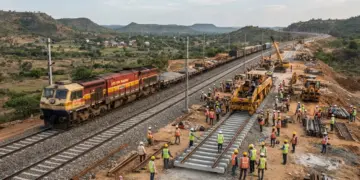
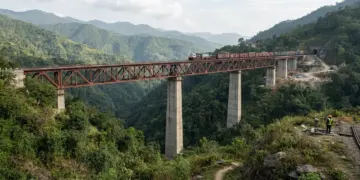


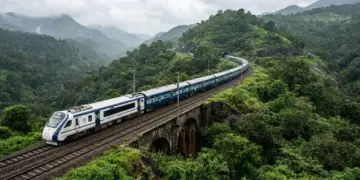
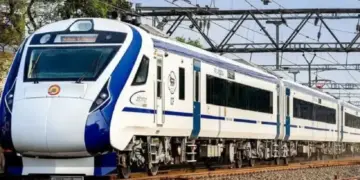
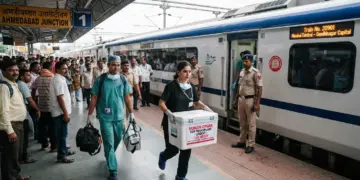


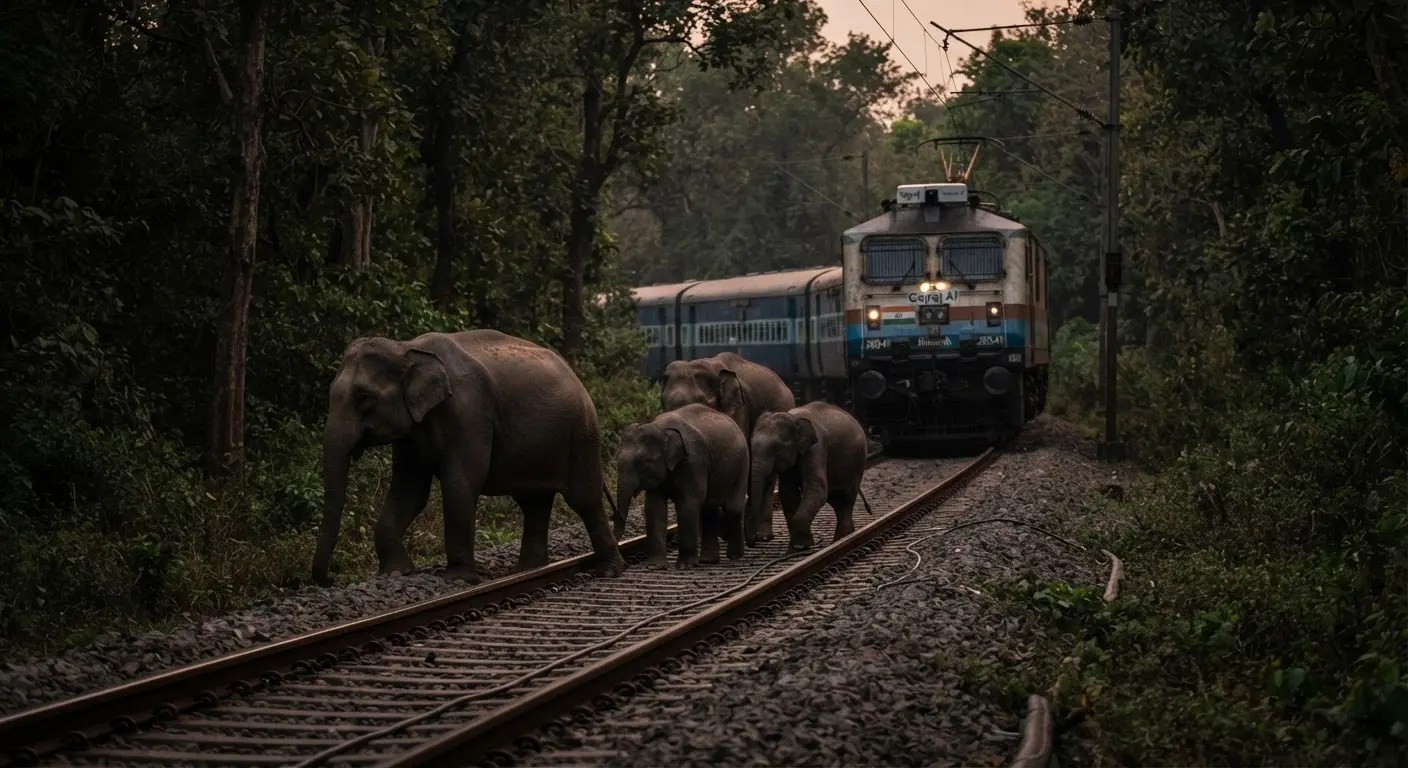

Indian Railways is taking a significant step toward wildlife conservation by scaling up its innovative ‘Gajraj AI’ initiative. This advanced intrusion detection system is specifically designed to prevent train-elephant collisions, a recurring issue in forest-adjacent rail corridors. By leveraging existing infrastructure, the national transporter aims to create a safer environment for wildlife while ensuring the smooth operation of train services across high-risk zones.
Key highlights of the Gajraj AI system include:
- Distributed Acoustic Sensing (DAS) technology uses optical fibre cables as sensors to detect elephant footsteps from up to 200 meters away.
- The system boasts a 99.5% accuracy rate in distinguishing elephant movements from other environmental vibrations.
- Real-time alerts are automatically relayed to loco pilots, station masters, and control rooms to prevent accidents.
- The project is being expanded to cover 700 kilometers of track across eight railway zones.
Proven Success and Strategic Expansion
The effectiveness of this technology was first validated in the Madukkarai Forest Range in Tamil Nadu. In this high-risk zone, the system successfully facilitated nearly 9,500 safe elephant crossings, proving its potential to save lives. Encouraged by these results, Indian Railways has sanctioned the installation of the Gajraj system across vulnerable stretches in eight different railway zones, including the Northeast Frontier and Southern Railways.
Nationwide Coverage to Reduce Fatalities
Wildlife-train collisions have historically resulted in an average of approximately 20 elephant fatalities annually across India. To address this, the current deployment plan focuses on critical states known for frequent wildlife movement, including West Bengal, Odisha, Assam, and Kerala. By integrating AI-driven monitoring into the existing network, Indian Railways is not only modernizing its safety protocols but also fulfilling its commitment to ecological preservation. This rollout is a major development in railway safety, ensuring that train operations and wildlife corridors can coexist more sustainably in the years to come.