




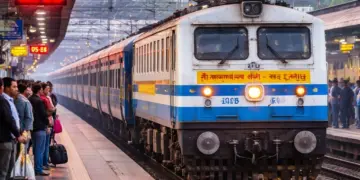

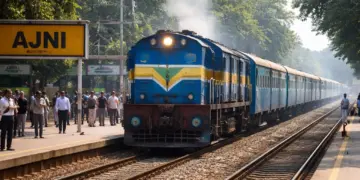




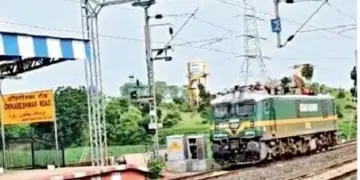


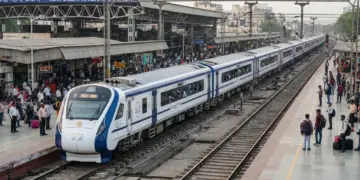

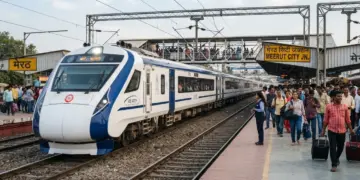
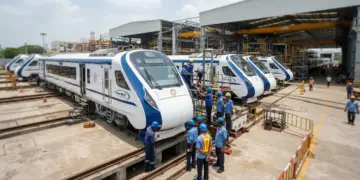
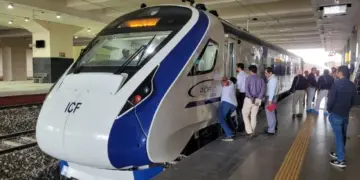
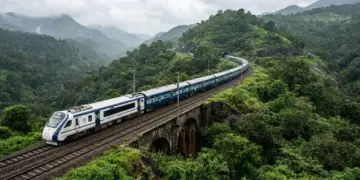
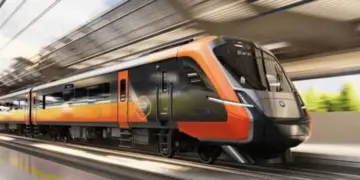
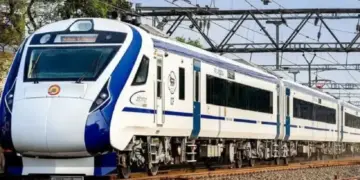



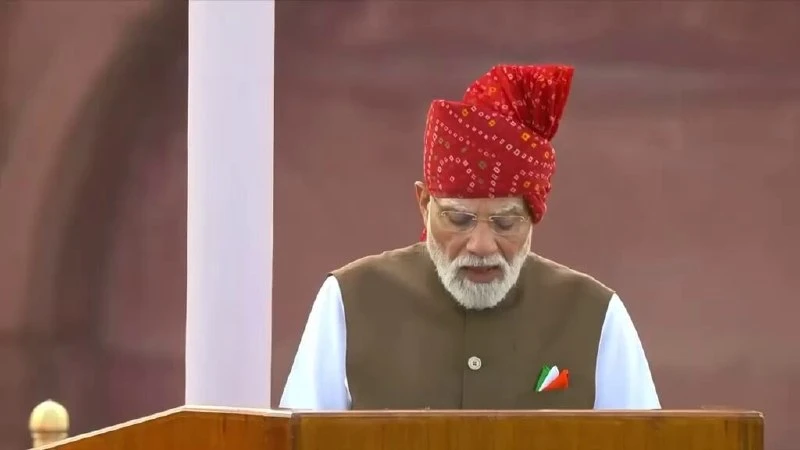

India has officially stepped into a new era of sustainable transport with the launch of its first indigenous hydrogen-powered train. The project, which marks a significant milestone in the nation’s journey toward a greener future, was highlighted by Prime Minister Narendra Modi during the 80th Independence Day celebrations, following the successful pilot launch on July 17. Developed by the Integral Coach Factory in Chennai, this innovative train is currently operating on the 89-kilometer Jind-Sonipat route in Haryana.
Key highlights of the project include:
- The train features a 1,200-kilowatt Proton Exchange Membrane Fuel Cell for power generation.
- It is a 10-coach train designed to emit only water vapor and heat as by-products.
- The initiative is part of the ‘Hydrogen for Heritage’ project with an initial investment of ₹141 crore.
- It supports a cruising speed of 75 kmph and includes advanced safety features like automated monitoring and leak detection.
A Milestone for Green Railways
With this launch, India has become the sixth nation globally to adopt hydrogen-powered rail technology. This shift is a critical component of the Indian Railways’ ambitious goal to achieve net-zero carbon emissions by 2030. By moving away from traditional fuel sources toward hydrogen energy, the national transporter is setting a global benchmark for environmental sustainability in rail travel.
Future Expansion and Vision
The pilot project is just the beginning of a larger strategy to modernize India’s rail network. Following the successful trial phase, the government plans to introduce 35 additional hydrogen trains across the country. This effort aligns with the broader vision of a ‘Viksit Bharat’ by 2047, focusing on self-reliance and the integration of future-oriented transport technologies. Passengers and rail enthusiasts can expect a cleaner, quieter, and more efficient travel experience as these green trains are gradually integrated into the wider network, proving that India is well on its way to transforming its railway infrastructure into a world-class, eco-friendly system.