







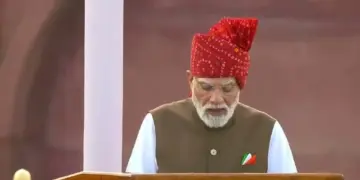



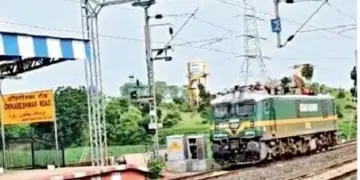



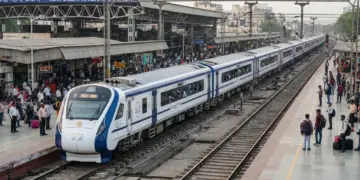

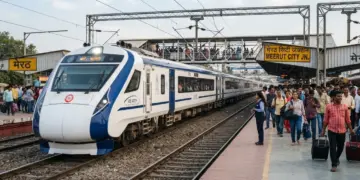
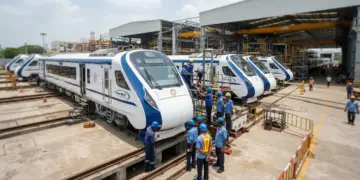

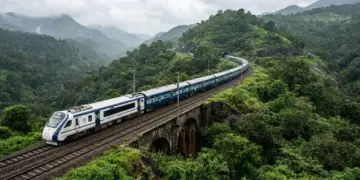

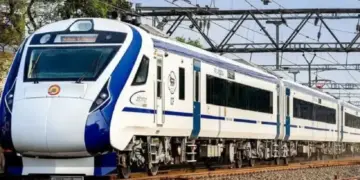




Prime Minister Narendra Modi recently addressed the nation on its 80th Independence Day, focusing on the remarkable transformation of Indian Railways over the past decade. The government’s push for green energy and infrastructure modernization has reached historic heights, bringing the national rail network closer to complete electrification and introducing cutting-edge hydrogen technology to the tracks.
Key updates from the Prime Minister’s address include:
* Electrification progress: Indian Railways has achieved 99.6 percent electrification of its broad gauge network as of July 31, 2026.
* Efficiency gains: Diesel consumption has plummeted from 293 crore liters in 2015-16 to 108 crore liters by 2024-25.
* Namo Green Rail: The indigenous hydrogen fuel cell train has successfully completed over 1,200 kilometers of travel since its July 17, 2026 launch.
* Environmental impact: The hydrogen project has already saved over 3,200 liters of diesel, emitting only water vapor during operations.
A Decade of Electrification
Reflecting on the progress made, the Prime Minister noted that while only 30 percent of the network was electrified in the 90 years prior to 2014, the last decade has seen this figure climb to 70 percent. Currently, out of a total 70,412 kilometers of broad gauge track, only 269 kilometers remain to be electrified. This transition is not just a technical upgrade; it has led to massive foreign exchange savings and a significant reduction in the carbon footprint of the national transporter.
The Rise of Hydrogen Trains
Innovation remains at the heart of the modern railway vision, best exemplified by the ‘Namo Green Rail.’ Launched on July 17, 2026, this 10-coach train is currently operating on the 89-kilometer Jind-Sonipat section in Haryana. Designed by the Research, Designs and Standards Organisation (RDSO), the train utilizes a sophisticated hydrogen propulsion system.
By replacing traditional diesel engines with hydrogen fuel cells, the project serves as a crucial technological demonstration for India’s future clean energy infrastructure. With 1,200 kilometers of successful operation already under its belt, the Namo Green Rail signals a shift toward a zero-emission future for Indian rail travel, proving that sustainable transit is not just a goal, but a rapidly approaching reality for passengers across the country.