

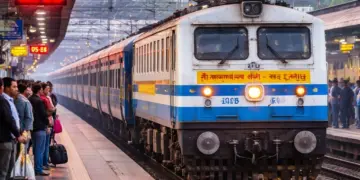














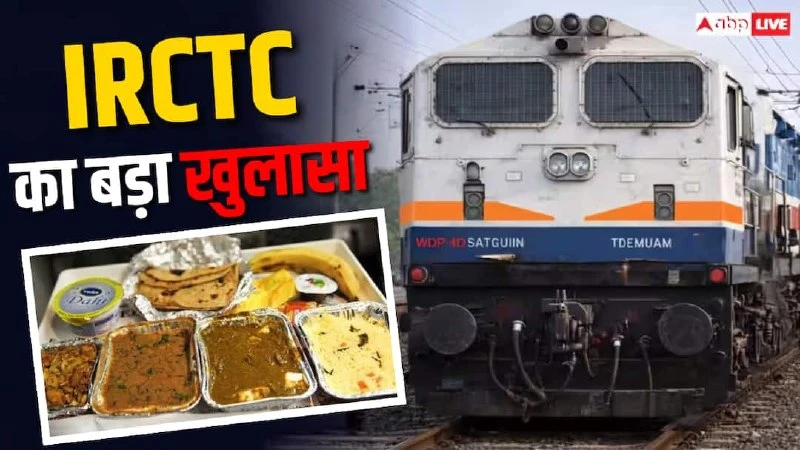

Indian Railways and IRCTC have observed a shifting trend in passenger behavior regarding onboard catering services. Data reveals that 25% to 30% of passengers are now choosing to opt out of pre-paid catering, primarily to avoid the additional service charges bundled with their tickets. Despite this trend, IRCTC’s financial performance remains strong, with catering revenue surging by 33.82% year-on-year to reach ₹732 crore.
Key highlights regarding the current state of railway catering include:
- The railway network currently serves nearly 18 lakh meals daily to passengers across the country.
- Despite the high volume, daily complaints remain remarkably low, ranging between 300 to 500 reports, which accounts for just 0.0008% of the total service volume.
- IRCTC has rolled out QR codes on food packets to provide passengers with instant access to details regarding food freshness, FSSAI licensing, and preparation locations.
- The ministry has introduced ‘Economy Meals’ priced at ₹20 and specialized ‘Satvik’ meal options to cater to diverse passenger preferences.
- Strict quality enforcement has led to ₹5.13 crore in fines being imposed on licensees for hygiene violations over the last three years.
Ensuring Quality and Transparency
To address concerns regarding food quality, Indian Railways has ramped up its oversight mechanisms. Beyond the introduction of QR-code-based verification, the department is now conducting frequent kitchen inspections monitored via CCTV. This initiative is designed to ensure that hygiene standards are strictly maintained from the point of preparation to the point of service. Acting CMD of IRCTC, Rahul Himaliyan, emphasized that while the opt-out trend is notable, the organization continues to focus on balancing affordability with high-quality service standards.
Focus on Passenger Choice
The introduction of the ₹20 Economy Meal is a strategic move to provide budget-friendly options for passengers who prefer not to opt for the standard pre-paid catering packages. By offering a variety of choices, including religious-friendly ‘Satvik’ meals, Indian Railways aims to improve the overall passenger experience while maintaining a robust and transparent catering ecosystem. These ongoing efforts reflect a commitment to both passenger convenience and the continuous improvement of services across the vast Indian rail network.